A useful spare-parts plan begins with correct identification. A part that looks similar can differ in dimensions, material, electrical rating or compatibility with the fitted configuration.
Build the plan around the actual equipment and the consequences of losing a function. Avoid a universal stock list or replacement interval that ignores the installed line and its operating history.
Create an equipment and component register
Record machine identifier, model, serial number and relevant configuration. Link the component to an approved drawing, parts reference or supplier confirmation. Keep clear photographs where they help identification, but do not rely on photographs alone.
| Parts record | Information to retain |
|---|---|
| Equipment identity | Machine reference and fitted configuration |
| Component identity | Approved part number, description and relevant drawing reference |
| Criticality | Effect of unavailability on the actual operation |
| Supply evidence | Quoted availability, lead-time basis and approved source |
| Storage | Applicable handling, condition and shelf-life requirements where specified |
| Use history | Installation, removal, reason and maintenance record references |
Set stock using evidence
Review failure consequence, available alternatives, supplier information and actual use history. Distinguish routine consumables from components whose failure stops a critical function. Finance and maintenance should agree the stocking decision using the site's circumstances.
Do not assume a public spare-parts promise applies to every model or destination. Retain the actual supplier response and review it when conditions change.
Control substitutions and repairs
Proposed substitute parts need the appropriate technical review, particularly where materials, protective functions or process performance are involved. A locally available component is not automatically an approved replacement.
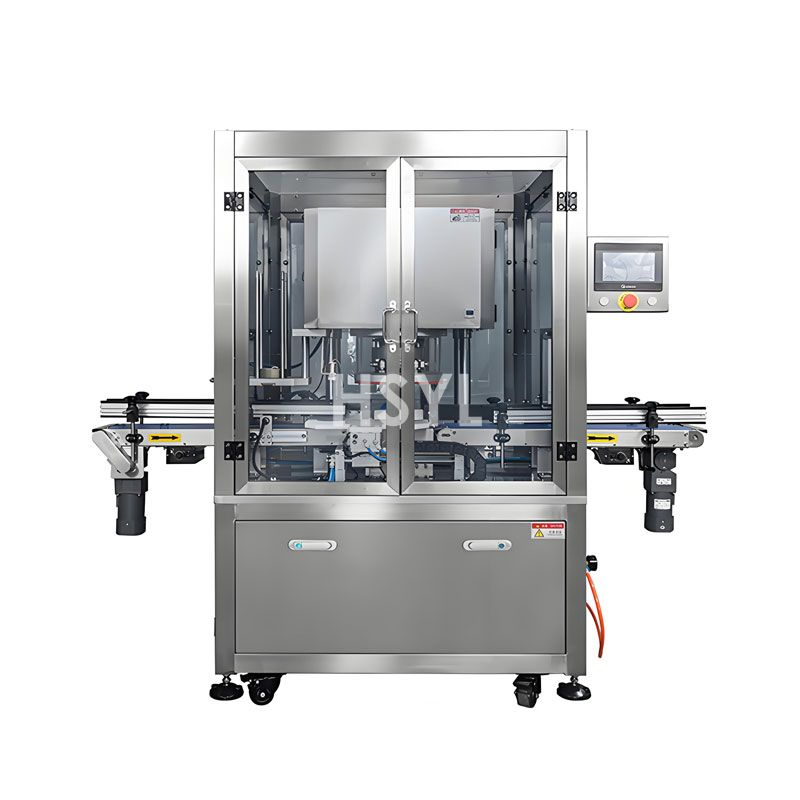
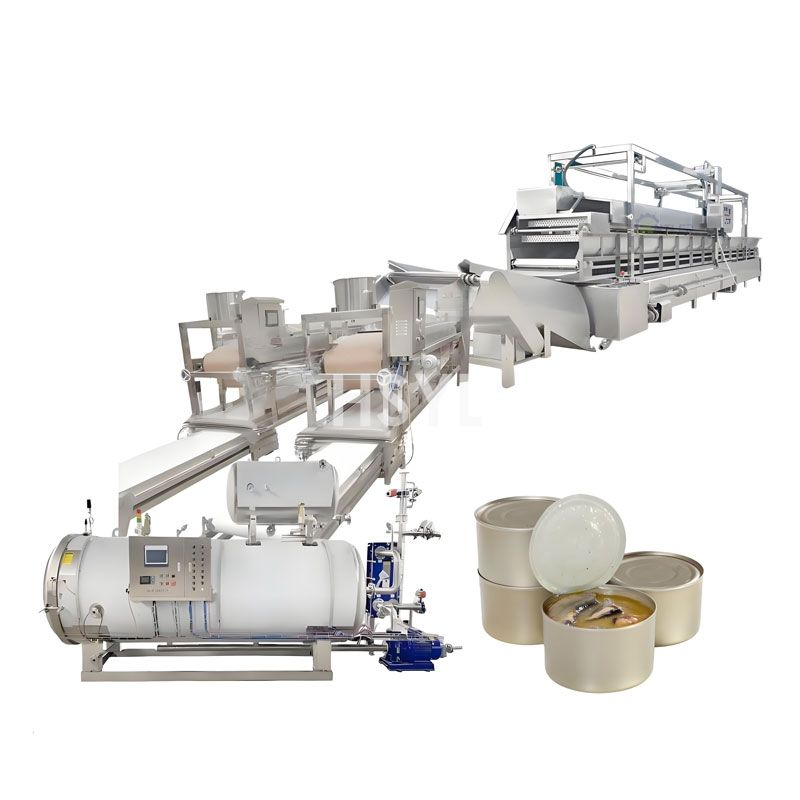
For the can seaming machine and retort system, keep fitted tooling, instrument and component references connected to the actual equipment. Follow approved maintenance and isolation procedures with competent personnel.
Use maintenance history to improve the plan
Record what was replaced and why. Investigate repeated failures with the supplier and maintenance team rather than continually increasing stock without understanding the evidence. Keep observations separate from a confirmed cause.
Use the ownership-cost guide to account for maintenance inputs and the line-event guide when failures affect output. The plan should help staff obtain the correct approved part and understand the operating consequence, not simply fill a storeroom.
Frequently Asked Questions
Can a photograph identify the correct replacement?
Should every wear part be replaced on the same interval?
Can I substitute an equivalent-looking electrical component?
Related Articles



Get professional consultation
Do you have any questions or need technical support regarding the content of this article? Fill out the form below, and our expert team will provide you with professional solutions.