A vegetable blanching equipment trial should begin with a defined crop, product form and technical duty. The trial needs to show the result on the actual material and its next operation. A generic treatment time or temperature is not a procurement specification for every vegetable.
Use the vegetable canning route to identify why the operation is proposed. Obtain the relevant product and process requirements from qualified specialists before translating the duty into equipment settings.
Define the material range
Record crop identity, lot, dimensions, cut form and initial condition. Include the variation relevant to the intended purchasing program. Keep the preparation state clear so that the trial is not interpreted as covering a different material form.
- Material. Crop, lot and preparation state.
- Technical duty. Approved product requirements and assessment purpose.
- Equipment. Actual proposed arrangement and operating records.
- Product result. Defined quality, recovery and handling observations.
- Next operation. Condition required at the handoff.
Evaluate handling alongside treatment
Observe loading, movement through the proposed operation, discharge and any subsequent transfer. Record accumulation, manual intervention and material damage. A satisfactory local treatment result may still leave an impractical handoff to the next unit.
Ask the supplier which modules and interfaces are included in the fruit and vegetable processing proposal. A process-flow label should not be treated as confirmation of an available machine model or a complete supply scope.
Keep measurements comparable
Use an agreed sampling and assessment method for the before-and-after material. Separate accepted product, fragments and removed material in the recovery calculation. Retain actual operating records rather than reporting only an intended setting.
Do not infer final canning-process adequacy from the blanching trial alone. The complete formulation, fill, package and preservation route require their own approved basis.
State the demonstrated duty
The report should identify the material, equipment configuration, authorized operating conditions and accepted result. Record excluded products and unresolved questions. Where conditions change materially, obtain the relevant technical review before extending the conclusion.
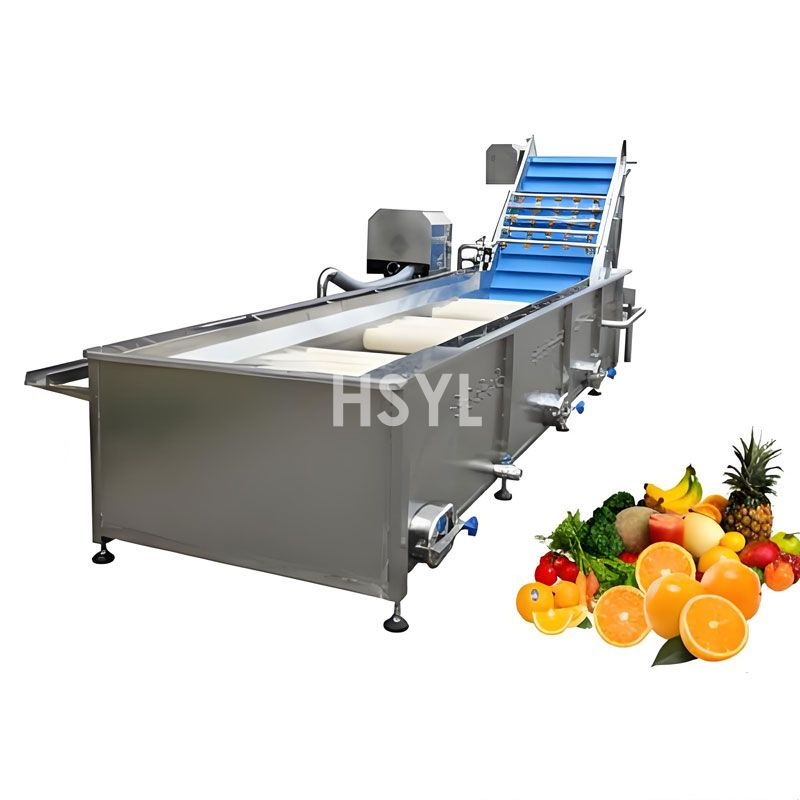
The equipment reference image shows upstream washing equipment and is not proof of blancher configuration or performance.
Frequently Asked Questions
Can blanching settings be selected from a generic table?
Should the trial include the next operation?
Does an acceptable appearance prove the treatment is sufficient?
Related Articles


Get professional consultation
Do you have any questions or need technical support regarding the content of this article? Fill out the form below, and our expert team will provide you with professional solutions.