Food Equipment Lubricants: An Approved-Use Register
Maintain a food equipment lubricant register with product identity, approved app...

Fruit and vegetable canning lines configured for product preparation, filling, can seaming or jar closing, thermal processing and packing. Discuss your product and container requirements with HSYL.
A fruit and vegetable canning production line is not a single fixed equipment package. The final process depends on the raw material, product formulation, container type, filling medium, target output, sterilization requirements and required automation level.For complete autoclave batch scheduling and facility sanitation planning, refer to our engineering overview on jam canned production line.
HSYL configures complete canning systems from raw material preparation through filling, container closing, retort sterilization, cooling and secondary packaging. Shared downstream equipment can be combined with product-specific preparation sections for fruits, vegetables, mushrooms, beans, sweet corn, peas and other canned products.
The production line is configured around the final canned product rather than around a universal machine list. Fruit and vegetable products may share filling, seaming, retorting, cooling and packaging equipment, while the preparation section is normally designed separately for each raw material.
Product changeover requirements must be evaluated during engineering. A line intended to process several products should be designed around the most demanding raw material, container size and thermal process rather than simply adding more machines.
A typical project can include the following processing stages. Individual stages may be added, removed or modified according to the product.
Raw Material Receiving → Washing → Sorting / Inspection → Peeling / Cutting / Preparation → Blanching or Pre-cooking → Cooling / Draining → Can Feeding → Product Filling → Brine / Syrup / Sauce Dosing → Exhausting or Vacuum Control → Can Seaming / Jar Closing → Product-Specific Thermal Processing → Cooling → Can Drying → Coding → Labeling → Case Packing → Palletizing → Finished Product Storage
Fresh, frozen or pre-processed raw materials are received according to the project specification. Washing equipment is selected according to the material characteristics. Bubble washing, spray washing, drum washing or combined washing systems may be used.
Manual inspection tables, conveyors, grading systems and optional optical sorting equipment can be configured to remove unacceptable material and foreign matter. Product-specific preparation may include peeling, coring, trimming, slicing, dicing, cutting or shelling.
Depending on the product, controlled heating may be required before filling. Equipment can include continuous blanchers, steam blanching systems, hot-water systems or batch cooking equipment. Time and temperature settings are determined by the product and process design.
Filling equipment is selected according to whether the product is granular, diced, sliced, whole-piece or mixed. Gravimetric, volumetric, rotary or other filling technologies can be integrated according to filling accuracy and line-speed requirements.
Brine, syrup, water or sauce can be prepared in a separate mixing and holding system and dosed into the container after product filling. Heating, agitation, filtration and CIP requirements can be incorporated where required.
Metal cans require a double-seaming system matched to the can body and end specifications. Glass jars require a closing machine matched to the jar finish and closure design. These are different closing arrangements; compatibility should not be assumed from container size alone.
For a project using both formats, confirm the required seamer and capper, filling compatibility, conveyors, guides and thermal-processing carriers. The quotation should identify shared equipment, dedicated equipment and the changeover work required.
Select the thermal-processing system after confirming the finished formulation, product classification, container and intended storage conditions. The fruit or vegetable name alone does not establish the required process.
Low-acid canned products generally require a pressure thermal process. Acid and acidified products may use different heat treatments, but the appropriate method must be established for the specific product and package. Do not assume that every fruit product can use the same pasteurization route or that every recipe can share one retort program.
The process should be established by a qualified specialist, with the equipment selected to deliver and record the required operating conditions. Changes to formulation, fill, container or processing method must be reviewed before an existing process is reused.
After thermal processing, containers are cooled under controlled conditions and transferred to drying, coding, labeling and case-packing equipment. Automatic palletizing and warehouse transfer can be added for higher-output projects.
| Process Stage | Typical Equipment | Configuration | Engineering Considerations |
|---|---|---|---|
| Raw Material Feeding | Receiving hopper, elevator, conveyor | Required | Raw material form and receiving method |
| Washing | Bubble washer, spray washer, drum washer | Product-specific | Soil load, product damage sensitivity and water consumption |
| Sorting | Inspection conveyor, grading machine | Required / Optional | Quality specification and foreign-material control |
| Preparation | Peeler, cutter, slicer, dicer, corer, trimming system | Product-specific | Final product size and presentation |
| Blanching | Continuous blancher or pre-cooking system | Product-specific | Product texture and thermal treatment requirement |
| Product Filling | Volumetric, weighing or rotary filling machine | Required | Product shape, target weight and line speed |
| Liquid Preparation | Mixing tank, holding tank, filter, heating system | As required | Brine, syrup, sauce or water formulation |
| Liquid Filling | Liquid dosing machine | As required | Dosing temperature, accuracy and viscosity |
| Container Closing | Automatic can seamer or jar closing machine | Required | Container diameter, height, lid and speed |
| Retorting | Batch retort and loading system | Required for applicable products | Scheduled thermal process and package type |
| Cooling | Retort cooling or continuous cooling system | Required | Container type and process requirement |
| Drying | Air knife / can drying machine | Recommended | Required before coding and labeling |
| Inspection | Metal detector, X-ray, checkweigher, vision inspection | Optional | Customer QC plan and market requirements |
| Secondary Packaging | Coder, labeler, case packer, carton sealer | Optional automation | Retail and logistics format |
| Palletizing | Automatic palletizer / robot | Optional | Line output and labor strategy |
The existing HSYL configuration range can cover projects from relatively small canning operations to higher-output industrial lines. As an initial reference, configurations may fall within approximately 1–10 tons of finished product per day or around 30–120 containers per minute, but these figures should not be treated as guaranteed capacity for every product.
Actual output is calculated after confirming the following variables:
Selecting a high-speed filler does not automatically produce a high-output canning line. For shelf-stable canned products, retort loading quantity, sterilization cycle time, cooling time, loading and unloading time, and the number of retorts can become the effective production bottleneck.
HSYL therefore sizes filling, seaming, retorting and downstream packaging as one production system rather than specifying each machine independently.
The production line can be engineered around different commercial package formats, including:
A reference filling-weight range of approximately 200 g to 3,000 g can be considered during preliminary engineering. Final compatibility depends on the actual container drawing, dimensions, lid specification and production speed.
Before quotation, providing the actual can or jar technical drawing is strongly recommended. This allows HSYL to select the correct filler, seamer or capper, conveyors, guides, retort baskets and change parts.
Utility consumption must be calculated for the final production configuration. A canning project may require the following infrastructure:
| Utility | Main Uses | Engineering Input Required |
|---|---|---|
| Electricity | Motors, pumps, conveyors, controls and packaging equipment | Local voltage, frequency and phase |
| Process Water | Washing, blanching, cooling and cleaning | Water quality, pressure, temperature and available flow |
| Steam | Cooking, blanching, liquid heating and retorting | Available pressure and steam generation capacity |
| Compressed Air | Pneumatic valves, cylinders and packaging equipment | Pressure and air quality |
| Cooling Water | Retort and product cooling | Water temperature and circulation method |
| Drainage | Process discharge and sanitation | Factory drainage capacity and wastewater treatment plan |
A preliminary utility load schedule can be prepared after the production capacity, product mix, container specifications and equipment configuration are confirmed.
Factory layout should follow the actual material flow rather than arranging machines only according to available floor space. The design should minimize unnecessary cross-flow between incoming raw materials, processed product, packaging materials, personnel and finished goods.
Drainage, floor slopes, cleaning access, maintenance space, forklift routes and future expansion should be considered before finalizing equipment positions.
If a workshop CAD drawing is available, HSYL can develop the equipment layout around the actual building dimensions, columns, doors, utility rooms and logistics routes.
Automation should be selected according to target production volume, local labor cost, product-change frequency and investment plan. A project can combine manual inspection and preparation with automatic filling, seaming and packaging, or be developed toward a more integrated production system.
Required operator numbers are determined after the process flow, automation level, inspection requirements and production shift pattern are confirmed.
Food-contact components are normally designed using SUS304 stainless steel. SUS316 or SUS316L can be specified for selected areas where product chemistry, chloride exposure, cleaning chemicals or corrosion conditions justify the higher material grade.
The equipment design can incorporate:
HACCP and GMP principles can be considered during process and equipment design. Actual factory certification and regulatory approval depend on the completed facility, operating procedures, validation records and the requirements of the destination market.
Low-acid canned vegetables require particular attention to thermal processing because shelf stability depends on achieving the required sterilization process throughout the filled container.
Products such as sweet corn, peas, beans and some mushroom products may require pressure retort processing. The scheduled process must be established according to the actual formulation, pH, container dimensions, fill weight, product consistency and heating characteristics.
Equipment selection and thermal-process validation are separate responsibilities. The retort must provide controllable and repeatable process conditions, while the final commercial sterilization schedule should be established or verified according to the applicable food-safety and regulatory requirements for the project.
A properly designed canned food project normally considers control points such as:
Additional inspection equipment such as checkweighers, metal detectors, X-ray systems or vision inspection can be integrated according to the customer's quality-control plan.
Before shipment, the agreed equipment can be inspected through a Factory Acceptance Test according to the confirmed project scope.
Typical FAT items may include:
Product FAT conditions depend on whether the customer's actual raw materials, containers and packaging materials can be supplied before shipment.
For complete fruit and vegetable canning projects, HSYL can support the project from preliminary process definition through equipment delivery and commissioning preparation.
| Project Stage | Typical HSYL Scope |
|---|---|
| Requirement Definition | Product, capacity, package and automation confirmation |
| Process Engineering | Production flow and equipment configuration |
| Factory Planning | Equipment layout and utility connection planning |
| Equipment Manufacturing | Production and assembly according to confirmed specifications |
| FAT | Pre-shipment equipment inspection and functional testing |
| Shipping Preparation | Export packing, equipment identification and document preparation |
| Installation | Remote or on-site installation guidance according to contract scope |
| Commissioning | Equipment setup and production-line coordination |
| Training | Operation and basic maintenance training |
| After-Sales Support | Spare parts and technical support according to the agreed project terms |
To prepare a useful technical proposal instead of a generic equipment list, please provide as much of the following information as possible:
Once these parameters are confirmed, the project can move through four engineering stages: parameter confirmation, process-flow confirmation, layout confirmation and commercial quotation.
If you are planning a new canned fruit, vegetable, mushroom or bean factory, send HSYL your product list, target capacity, can sizes and available factory information.
Our engineering team can first confirm the production parameters and process flow, then prepare the preliminary equipment configuration and factory layout before the final quotation is issued.
Recommended information to send: product + capacity + can specification + filling medium + factory drawing + utilities + expected commissioning date.


Maintain a food equipment lubricant register with product identity, approved app...
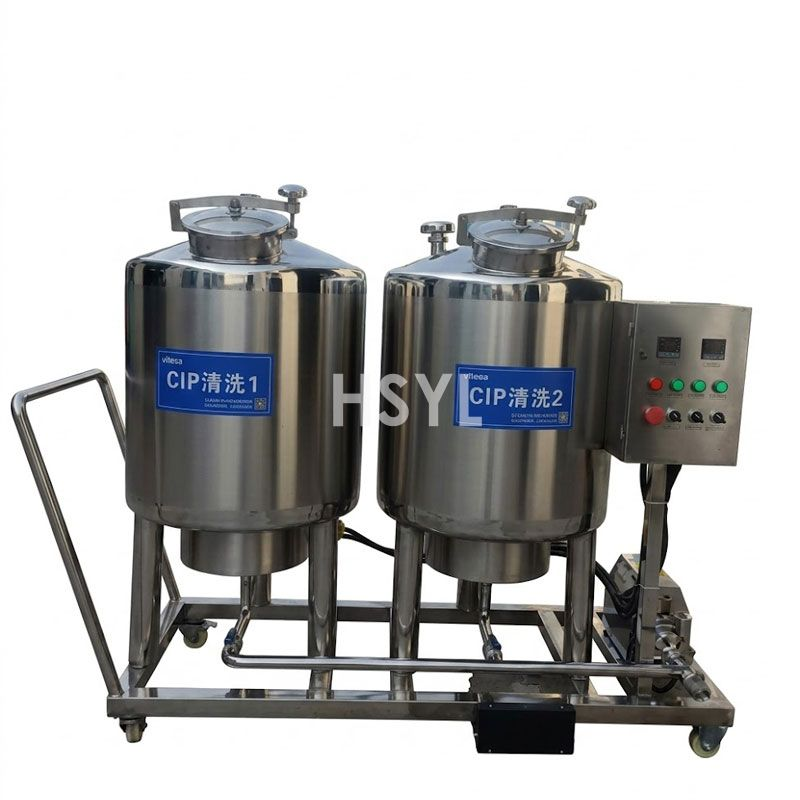
Review CIP monitoring records by identifying displayed values, data sources, ret...
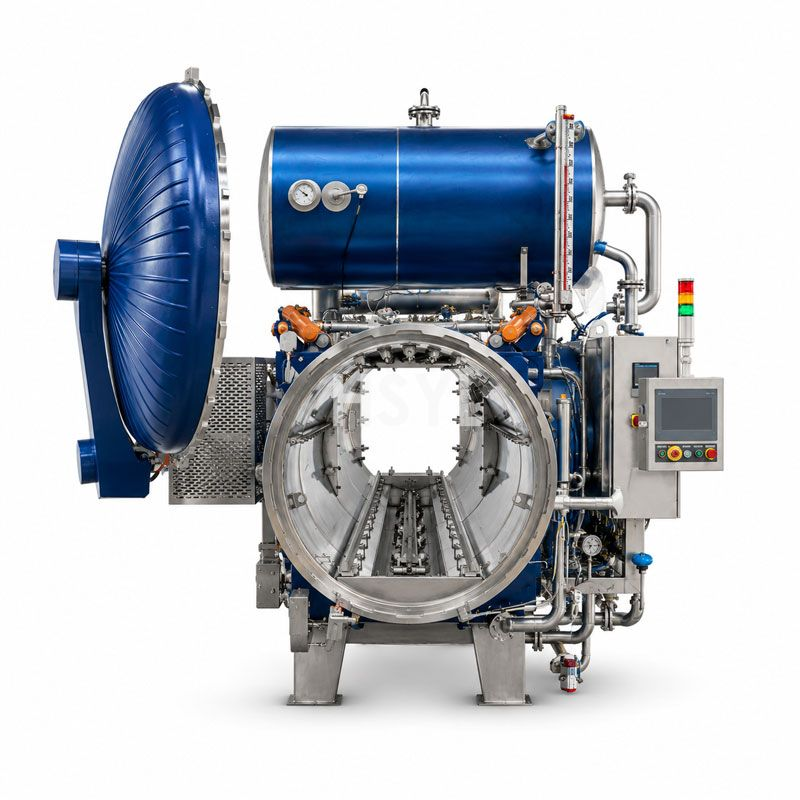
Define canning line site acceptance tests around installed identity, utilities, ...
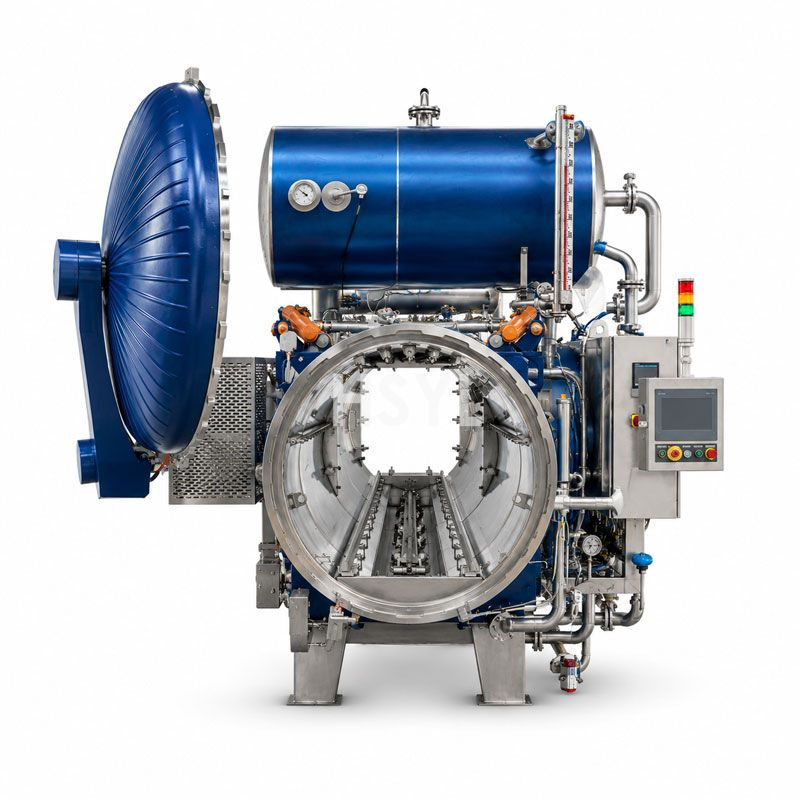
Keep canning shift handovers clear through equipment identity, current status, c...