A food-equipment lubricant register connects a specific product with an approved use on identified machinery. A general food-grade description is not enough to establish that the product suits every lubrication point or operating condition.
Use the equipment instructions, lubricant documentation and the factory's qualified review. The register should preserve those decisions rather than select a lubricant from its label colour or a familiar brand name.
Identify the exact product
Record the supplier, full product reference and relevant current documentation. Keep container labels identifiable. If a claimed registration or listing informs the decision, verify the actual product and scope rather than relying on a logo in an unrelated brochure.
NSF's food-grade lubricant explanation describes H1 use in the context of incidental food contact and points users to product-registration information. Such a category should not be presented as permission for unrestricted contact or as approval of every application.
Match the product to the equipment point
| Register item | What it establishes |
|---|---|
| Machine and point | Where the proposed material will be used |
| Equipment requirement | Current approved lubricant or applicable technical specification |
| Product evidence | Exact supplier reference and relevant documentation |
| Use approval | Authorized application and any stated restrictions |
| Maintenance record | Actual work, person and procedure reference |
| Change review | Substitution or specification changes requiring assessment |
Do not invent a universal lubricant grade, quantity or interval. Those details depend on the actual equipment and authorized maintenance method.
Control issue and substitution
Keep maintenance stock identifiable and use the factory's storage and dispensing controls. A similar container or equivalent-sounding product name does not establish compatibility.
If the proposed product changes, obtain the relevant competent technical review before use. Keep the original and replacement references connected to the decision. Procurement availability alone does not approve a substitute.
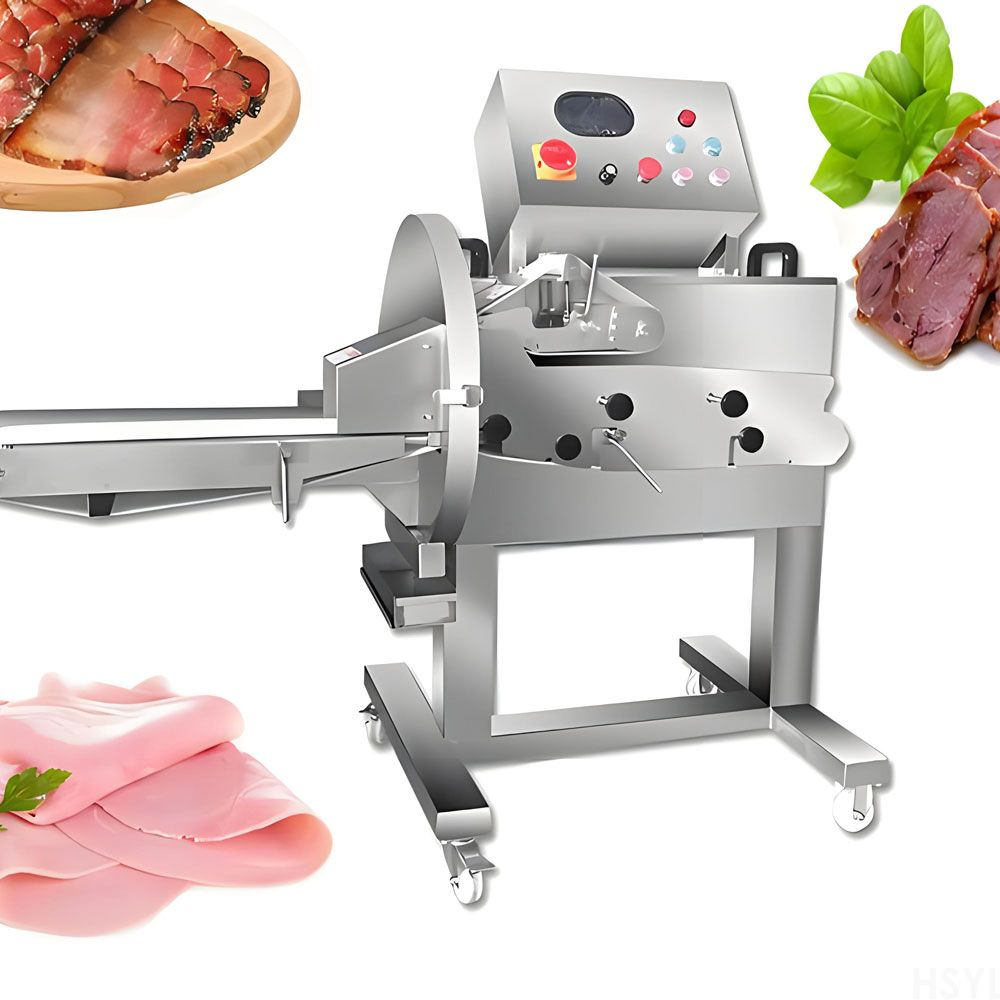
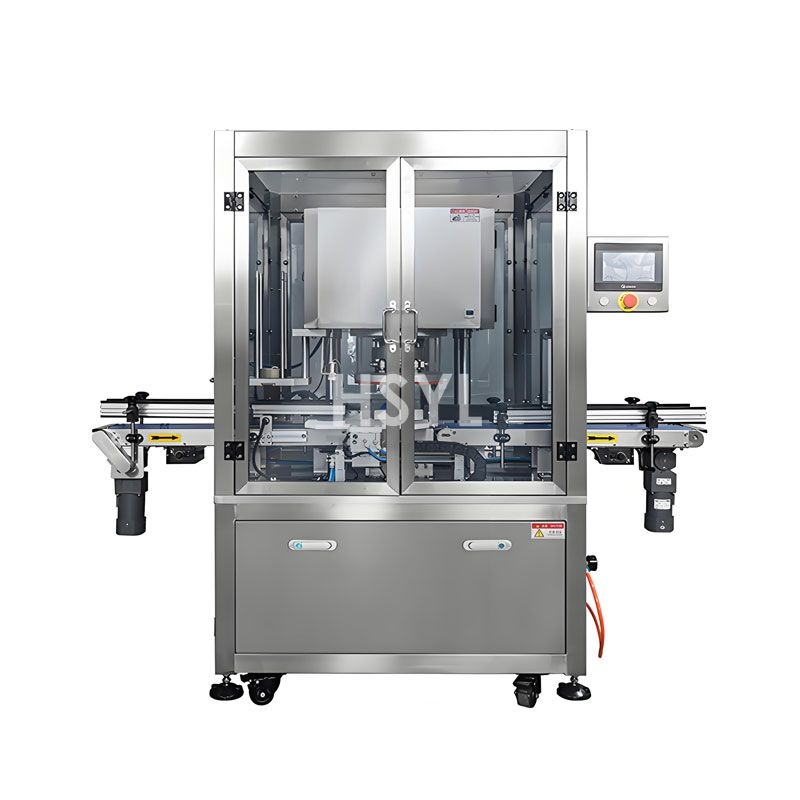
The meat slicer and can seamer illustrate equipment with model-specific maintenance needs. Their product pages do not supply a universal lubrication instruction for every fitted component.
Retain evidence after maintenance
Record the work under the approved safe procedure and connect it with the correct machine. Include the status and checks required before return to the intended use.
Use the materials and cleanability guide for related equipment-evidence questions and the ownership-cost guide for maintenance planning. The useful register lets authorized staff identify the correct product, its approved point and the evidence behind the decision.
Frequently Asked Questions
Does food-grade mean suitable for every bearing or gearbox?
Can a supplier registration logo replace checking the product?
Should substitute products enter the register immediately?
Related Articles


Get professional consultation
Do you have any questions or need technical support regarding the content of this article? Fill out the form below, and our expert team will provide you with professional solutions.