A factory acceptance test should answer defined questions before equipment ships. It is most useful when the buyer and supplier agree the test conditions in advance and distinguish what can be demonstrated at the works from what must be verified at the installation site.
Prepare the protocol from the purchase specification. A successful demonstration video is supporting evidence, not a substitute for agreed acceptance records.
Decide what the FAT can prove
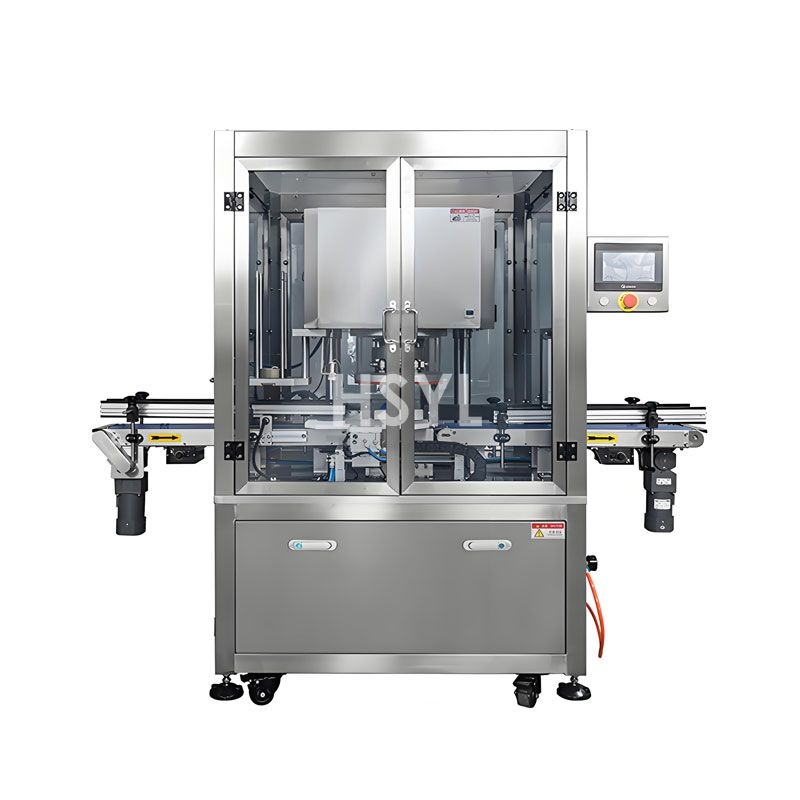
List the equipment configuration, trial product, cans and ends, utilities, staffing and measurement methods. Identify any substitutions. Water or empty-container tests can demonstrate selected functions, but they cannot establish product filling behaviour for a different material.
| Test area | Record to retain |
|---|---|
| Equipment identity | Model, serial number, configuration and approved drawing revision |
| Product handling | Material condition, feed method and observed transfer behaviour |
| Filling and closing | Trial basis, measurements, container references and inspection results |
| Controls | Agreed sequences, alarms, interlocks and authorized setting changes |
| Access and documentation | Cleaning access, manuals, drawings and maintenance information reviewed |
| Deviations | Observation, evidence, owner, agreed action and closure condition |
Safety checks require an appropriate agreed procedure and competent personnel. Avoid improvised fault tests that introduce hazards or bypass protective functions.
Agree performance measurements before running
State the counting boundary and test window. Distinguish product entering the filler from accepted closed packs. Record stops, rejects, operator interventions and changes in settings during the test so that the result remains interpretable.
Use the TCO and OEE procurement definitions when output evidence will inform an investment comparison. For can seaming equipment, closure assessment should use the relevant container and equipment specifications with the required inspection method.
Separate open items from acceptance decisions
Give every deviation a reference and attach the supporting photographs, measurements or records. Decide which items block shipment and which can be closed by a later agreed action. A signed attendance sheet should not be mistaken for unconditional acceptance of unresolved performance issues.
Define the site work that follows
Installation, actual utility conditions, integrated line operation and product-process validation may require separate site tests. A FAT cannot validate a factory thermal process merely because a retort system operates during the visit.
Use the turnkey scope guide to assign those later responsibilities. The final FAT report should identify the accepted configuration, the evidence reviewed and the remaining conditions before site production release.
Frequently Asked Questions
Must the buyer supply trial materials?
Can a dry run replace a product trial?
Does passing FAT authorize commercial production?
Who signs off an unresolved FAT item?
Related Articles





Get professional consultation
Do you have any questions or need technical support regarding the content of this article? Fill out the form below, and our expert team will provide you with professional solutions.