Canned meat plant cost depends on what the project includes and which products it must make. A luncheon meat line and a chicken soup line can require different preparation and filling arrangements even if both proposals include closing and retorting.
Use a scope comparison before requesting a final price. The purpose is to expose differences that a single equipment total can hide.
Give suppliers the same product basis
List the intended products, formulation references, incoming meat condition, preparation route and container drawings. Define the required accepted output over a stated production window. Explain the planned product mix and changeover pattern.
Ask each supplier to identify assumptions and product trials still required. An unanswered suitability question should remain open, rather than becoming a hidden assumption in the price.
| Cost package | Boundary to reconcile |
|---|---|
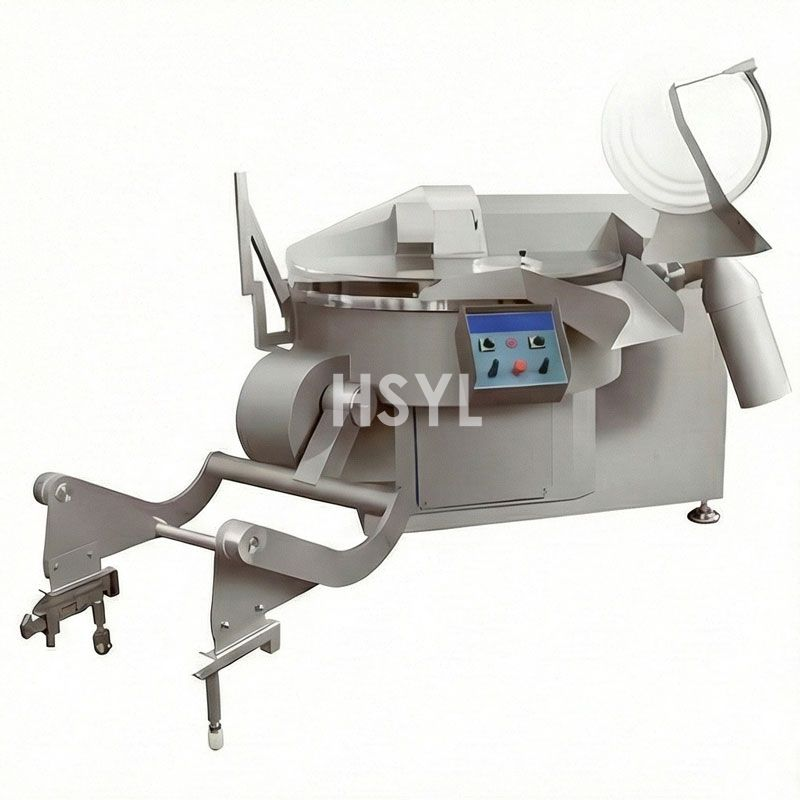
| Preparation | Size reduction, chopping, mixing and any product-specific cooking scope |
| Feed and filling | Solid, paste or particulate handling, liquid addition and transfers |
| Closing | Can-end format, tooling, inspection provisions and format changes |
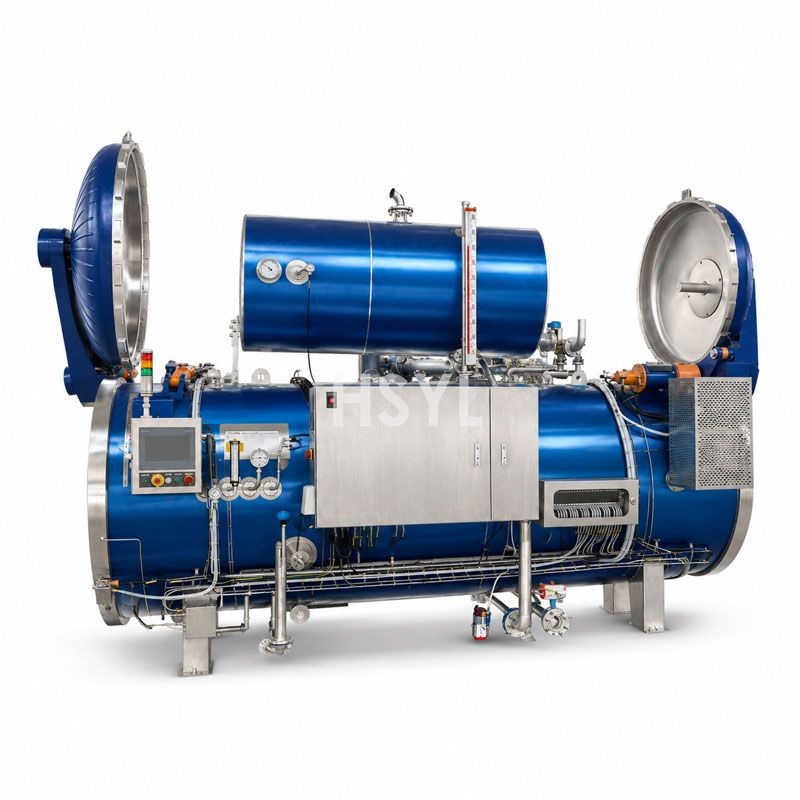
| Retort handling | Baskets, loading, transfers and process-documentation responsibility |
| Integration | Conveyors, control interfaces, guarding and utilities at battery limits |
| Project services | Delivery, installation, trials, documentation and training included |
Keep different product routes visible
Use the canned meat production line, luncheon meat line and chicken soup line discussions to identify relevant equipment functions. Do not combine their descriptions into an assumed standard package.
If one project must handle several products, request a compatibility matrix. It should state shared equipment, changed parts, cleaning work and restrictions. Ask which trials support the proposed sharing arrangement.
Add the site packages
Building adaptation, utility distribution, installation access, ingredient and container stock, and start-up resources may sit outside the equipment offer. Assign each package an owner and a cost basis.
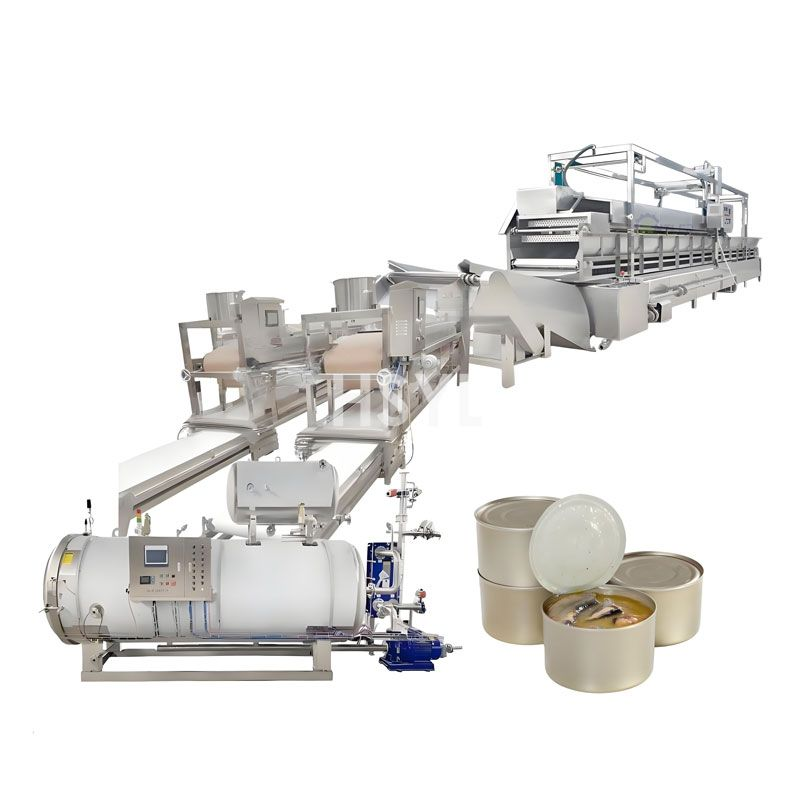
Review the canned meat line layout before finalizing installation allowances. A change in the physical route can alter service and building work even when the main machine list remains similar.
Close the comparison with a clarification register
Mark each item included, excluded or unresolved. Reconcile quotation revisions and avoid comparing offers based on different containers or product assumptions. The final budget should distinguish confirmed commitments from estimates and open decisions.
The TCO procurement guide can then support an ownership-cost comparison using the buyer's actual operating assumptions. No generic plant price or payback period can replace this project-specific scope.
Frequently Asked Questions
Can I budget a canned meat plant from a retort price?
Should a mixed-product line cost more?
Are process-development costs part of the equipment quote?
Related Articles


Get professional consultation
Do you have any questions or need technical support regarding the content of this article? Fill out the form below, and our expert team will provide you with professional solutions.