
Pneumatic Flange and Can Seam Stripping Gauge: Mass Flow Kinematics & Sizing
Engineering guide for Seam Stripping Gauge focusing on mass flow kinematics & si...
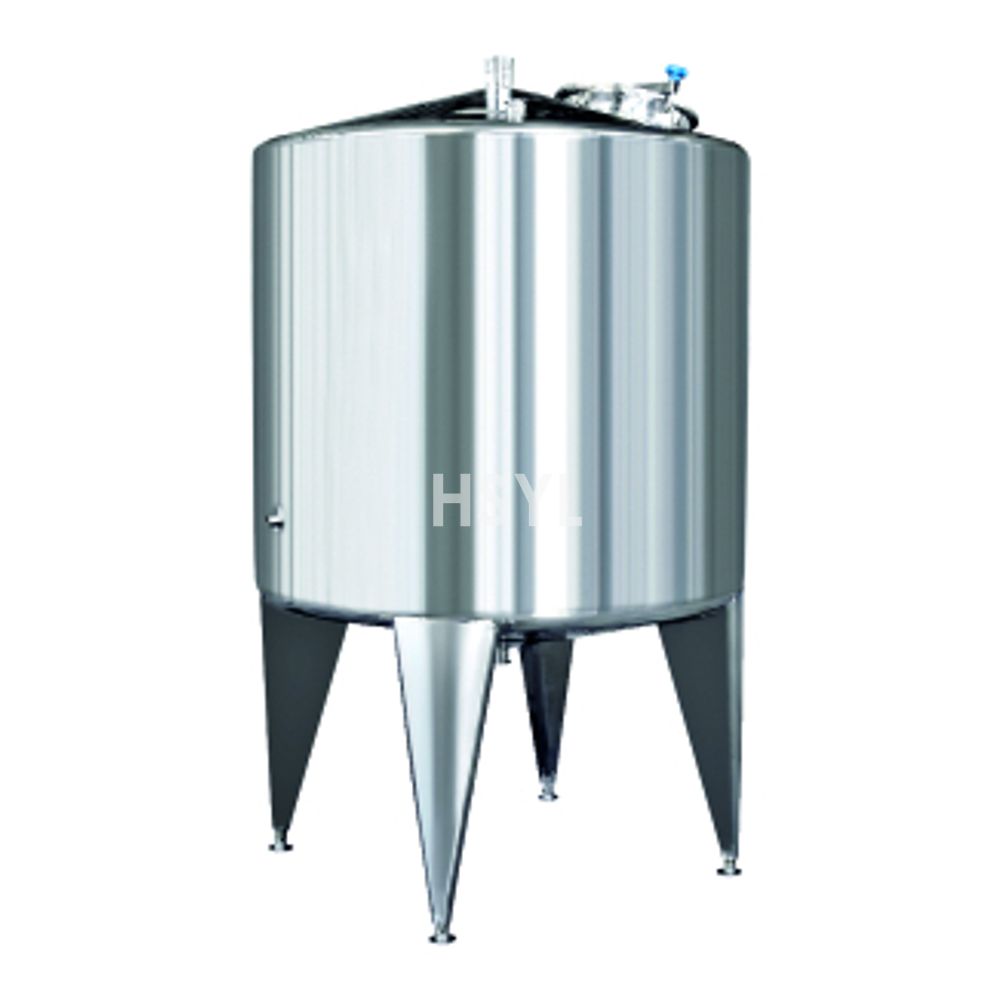
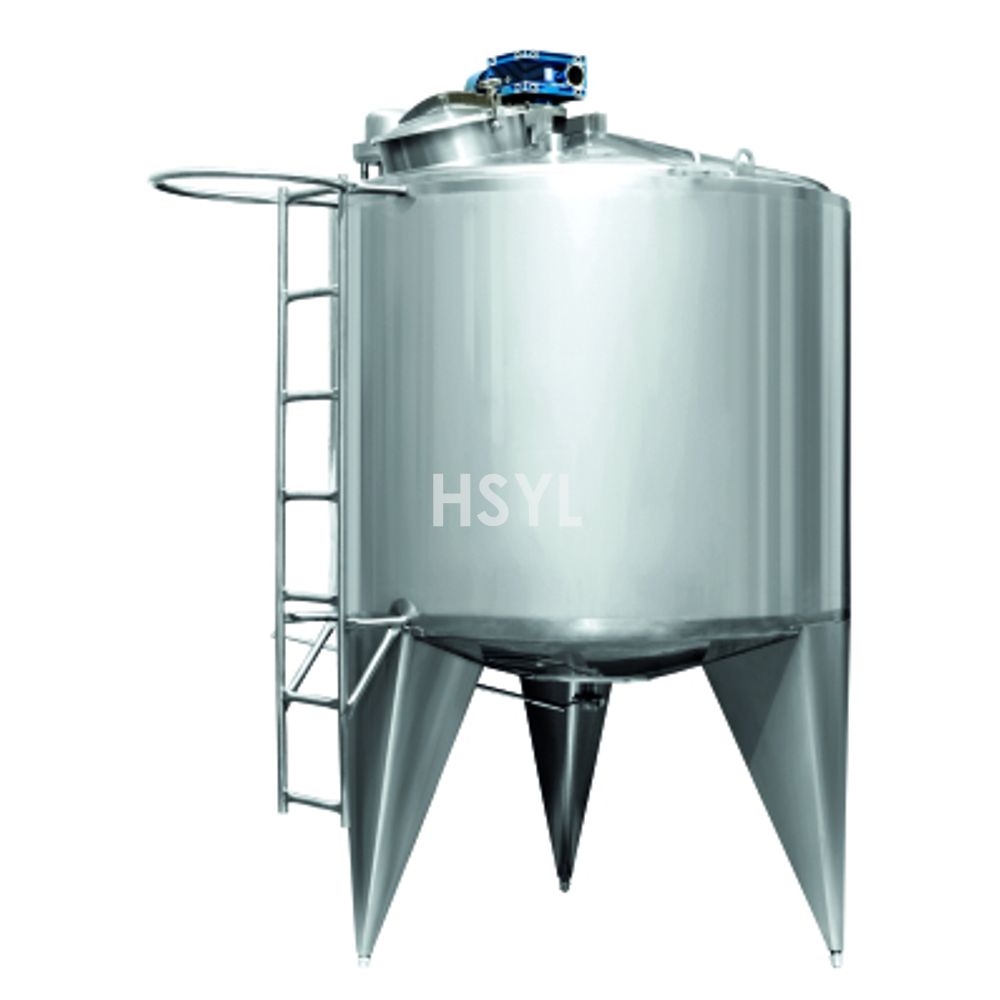
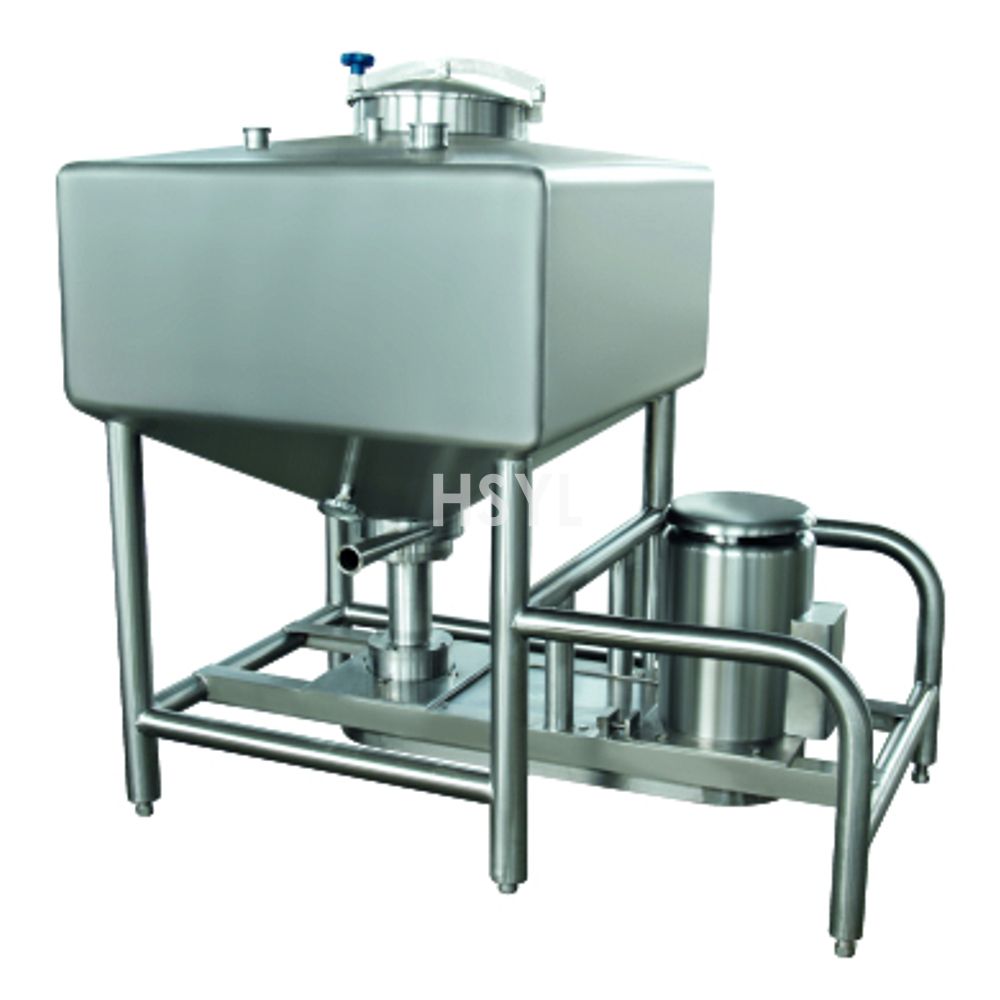
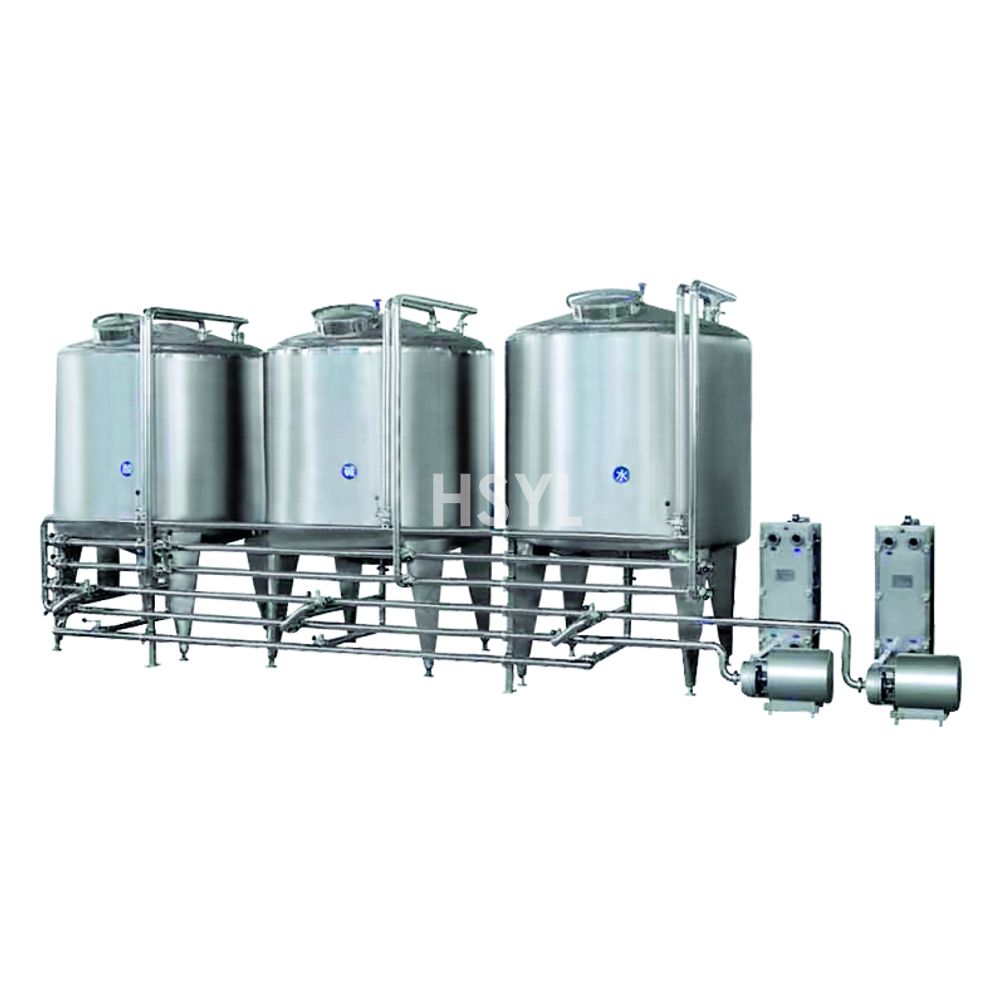
A heating and cooling tank is specified around the liquid it prepares and the process it supplies. For a canning project, identify whether the tank is needed for ingredient preparation, a controlled temperature step or a buffer before liquid filling. Review working volume, temperature duty, mixing arrangement and discharge connection together.
One possible application is the preparation of a liquid addition, such as a recipe-specific sauce, brine or syrup. Suitability depends on ingredients, viscosity, solids and the temperature requirement. Assess the tank as part of the complete preparation and filling system.
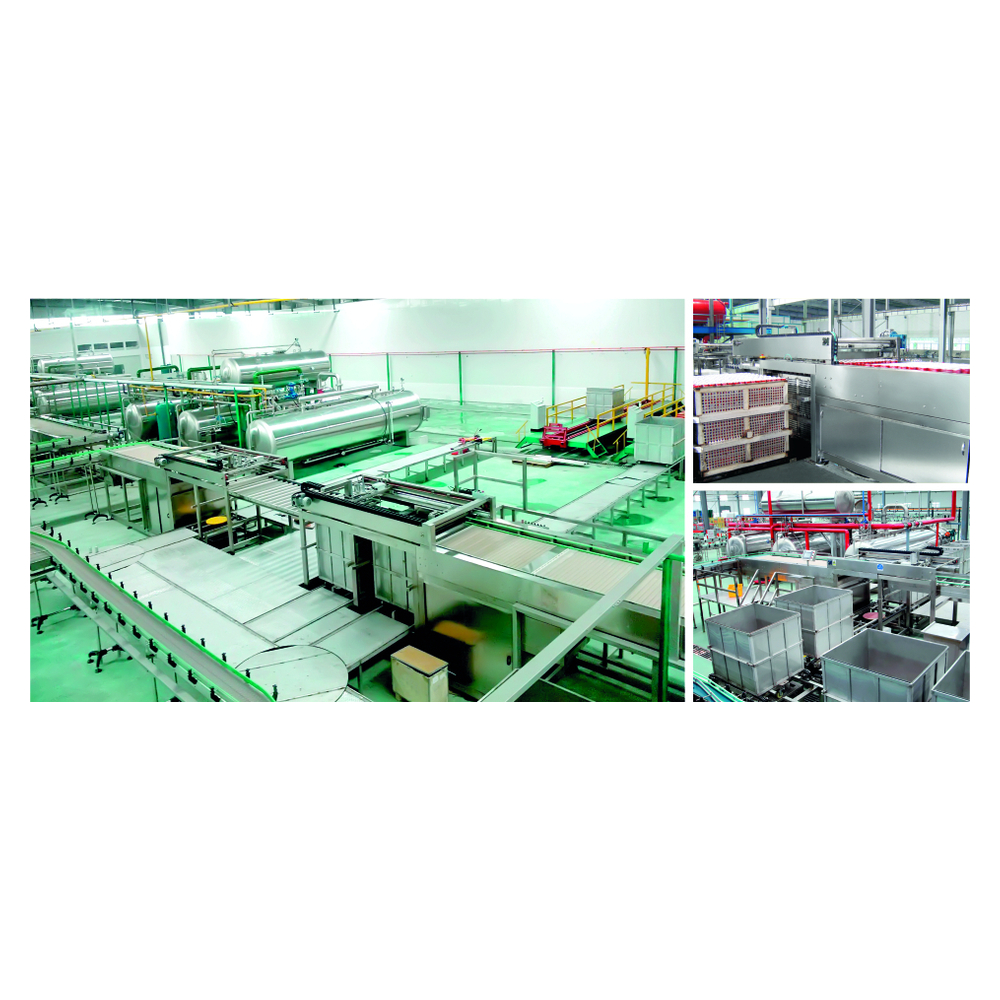
The preparation tank has a separate duty from a retort used after cans are sealed. Identify each thermal step and its responsibility in the process specification before equipment is selected.
| Selection item | Information to specify | Reason for review |
|---|---|---|
| Batch volume | Normal and maximum working volume; batches per shift | Establish the preparation cycle and buffer requirement. |
| Heating and cooling | Starting temperature, endpoint, target cycle and available utilities | Define the duty before choosing the heat-transfer arrangement. |
| Agitation | Viscosity, soluble ingredients, suspended solids and product sensitivity | Assess the mixing task and drive configuration. |
| Construction | Contact material, vessel arrangement, access and insulation requirement | Compare the approved drawing with the proposed duty. |
| Cleaning | Residue, method, inspection access and drainage | Include cleaning requirements in the equipment specification. |
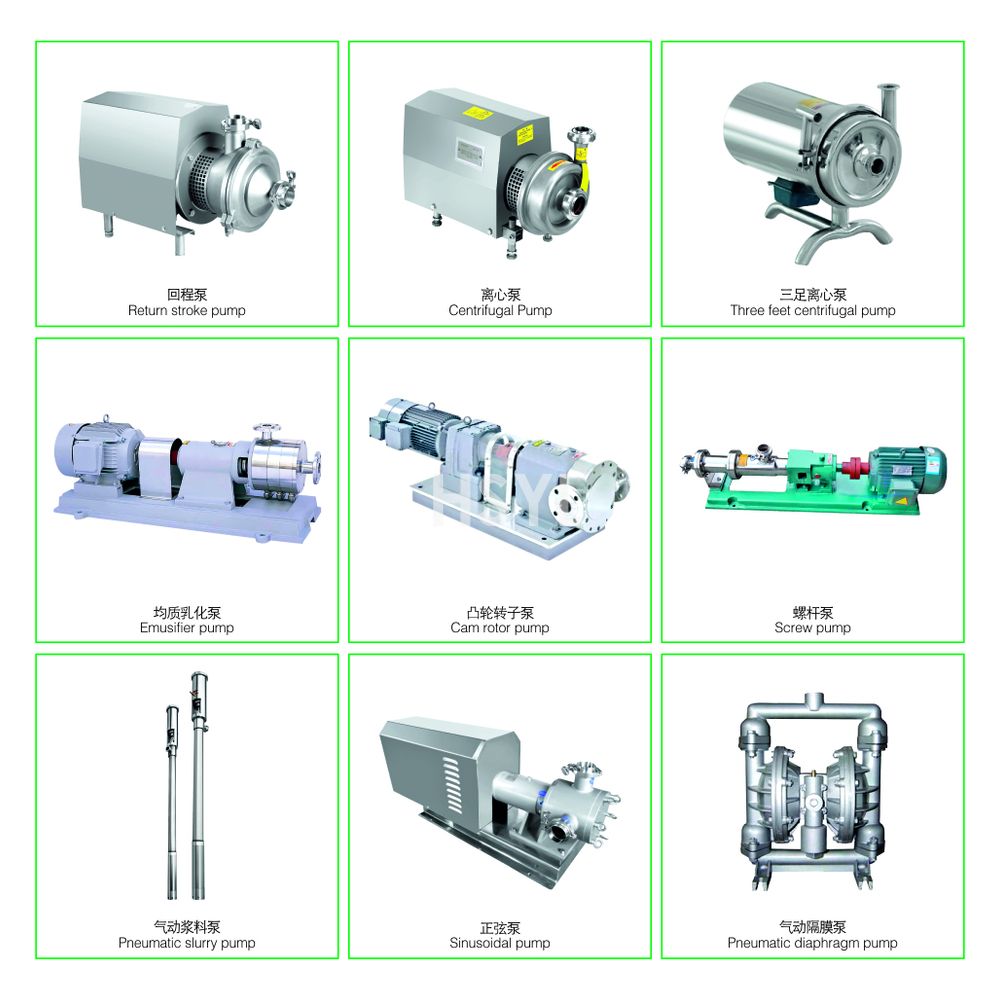
Upstream connections may include ingredient weighing, water supply, ingredient addition and a transfer pump. Downstream connections may include a holding tank or liquid-filling unit. Confirm which items belong to the tank package and which belong to the wider line.
Compare the working volume and construction drawing rather than nominal capacity alone. The quotation should identify the material specification, heat-transfer arrangement, agitation assembly, instruments, product connections and cleaning provisions included. Utility consumption and process performance need a defined operating basis before they can be evaluated.
Provide recipe conditions for assessment before selecting temperature-control equipment. A general vessel description does not establish heat-transfer duty or the final product result.
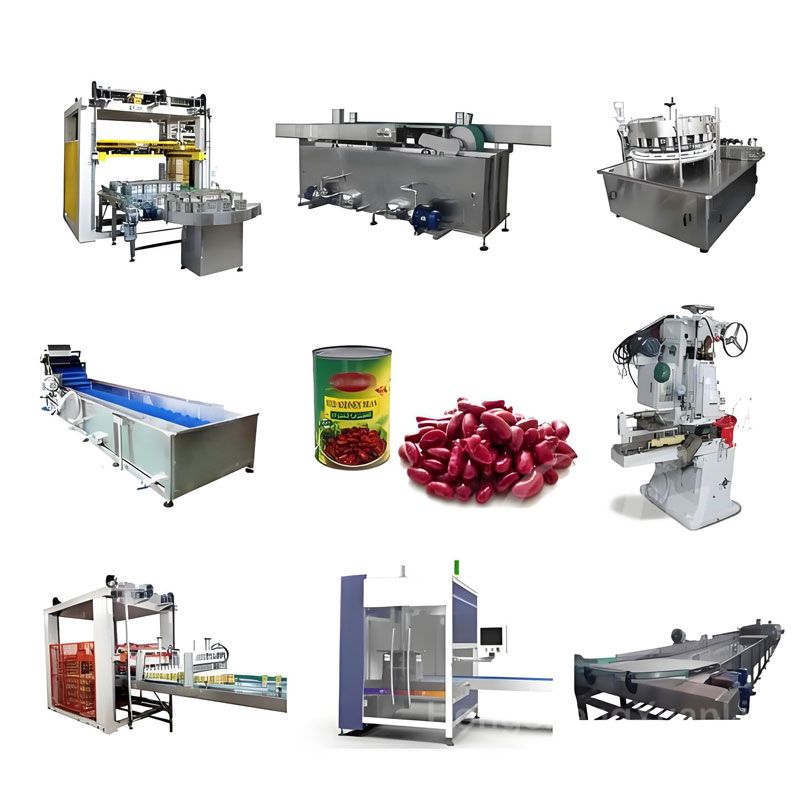
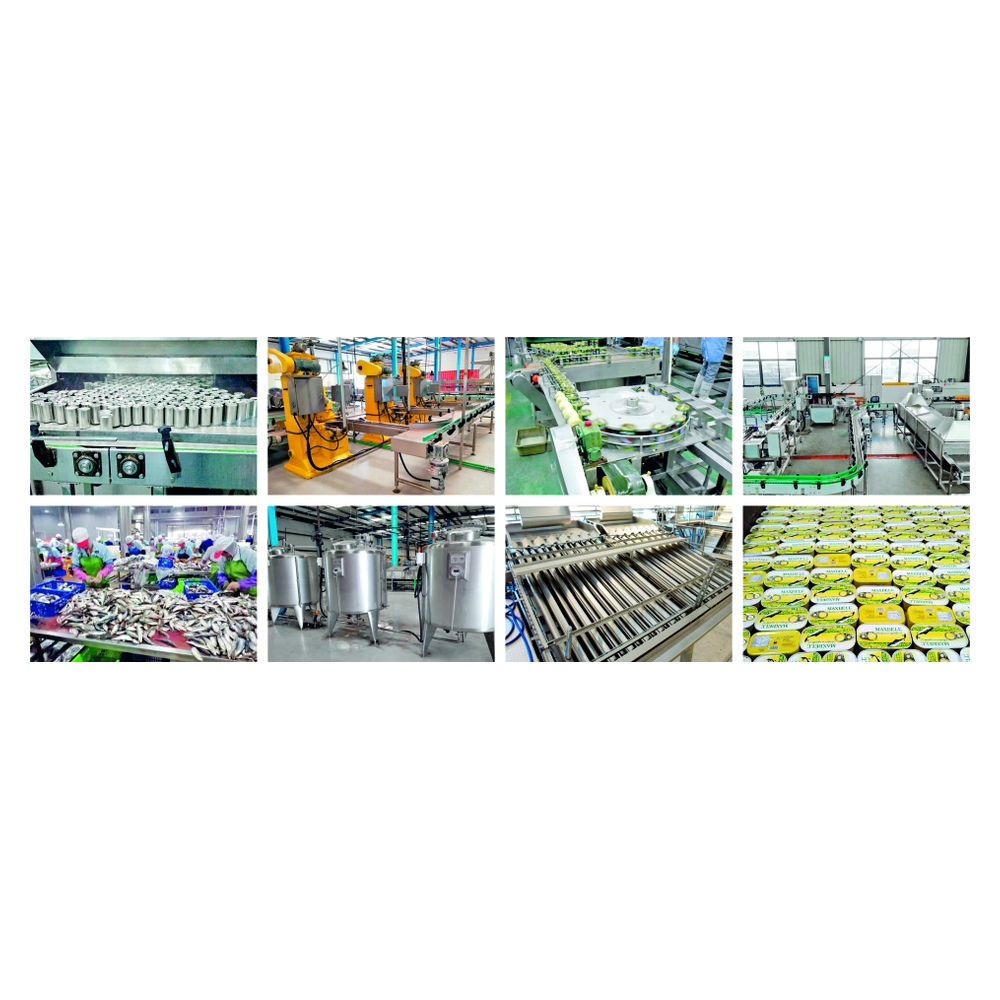
Use the canning production line overview to describe the wider project. Send the process information for review with the equipment duty, operating conditions and connection requirements.


Engineering guide for Seam Stripping Gauge focusing on mass flow kinematics & si...
Engineering guide for Tuna Oil Doser focusing on mass flow kinematics & sizing: ...
Engineering guide for Basket Shuttle Car focusing on mass flow kinematics & sizi...
Engineering guide for Club Can Seamer focusing on mass flow kinematics & sizing:...