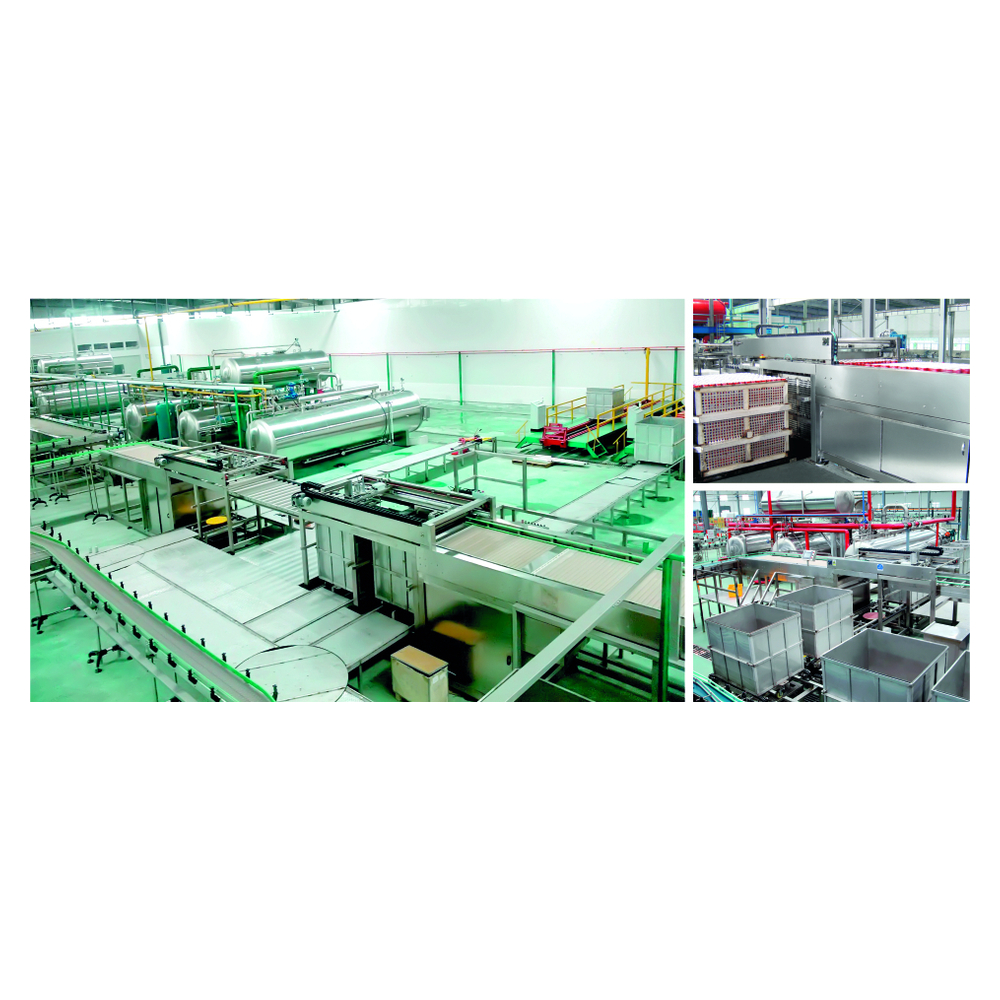
Automatic Retort Basket Shuttle and Transfer Car: Mass Flow Kinematics & Sizing
Engineering guide for Basket Shuttle Car focusing on mass flow kinematics & sizi...
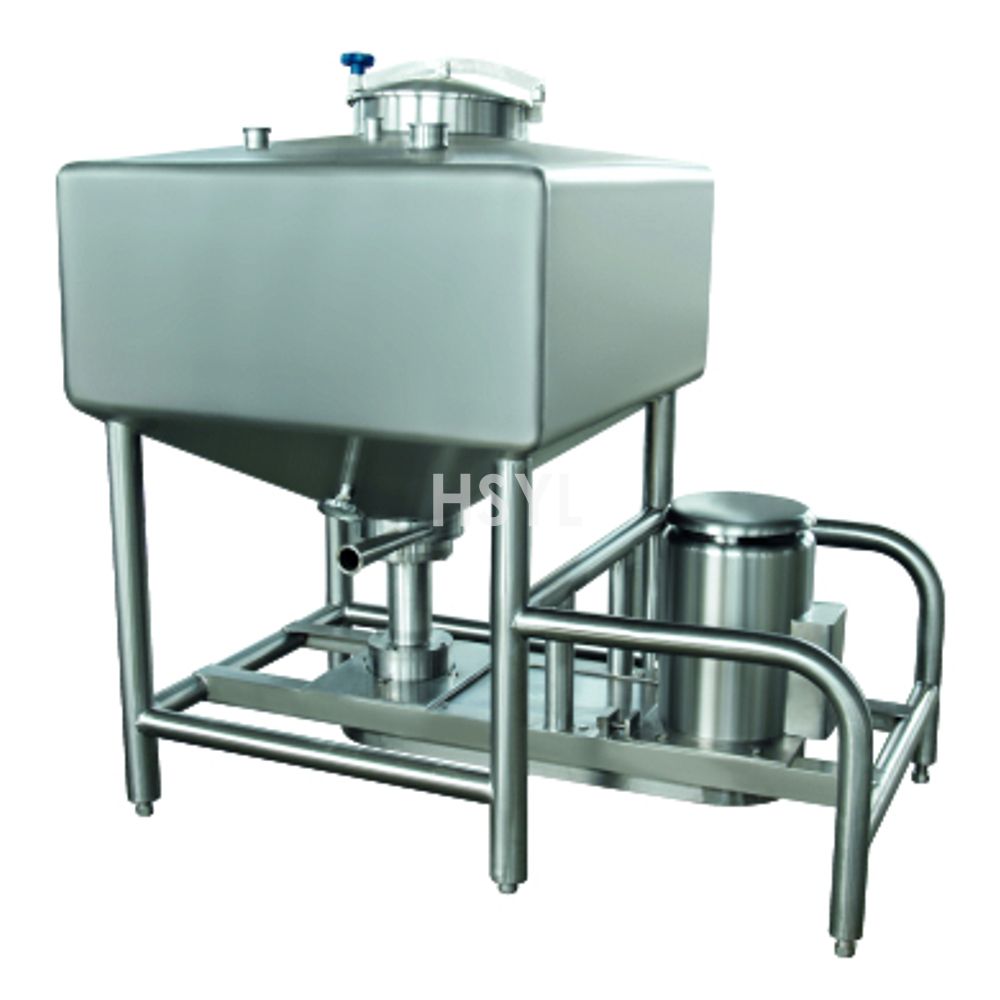
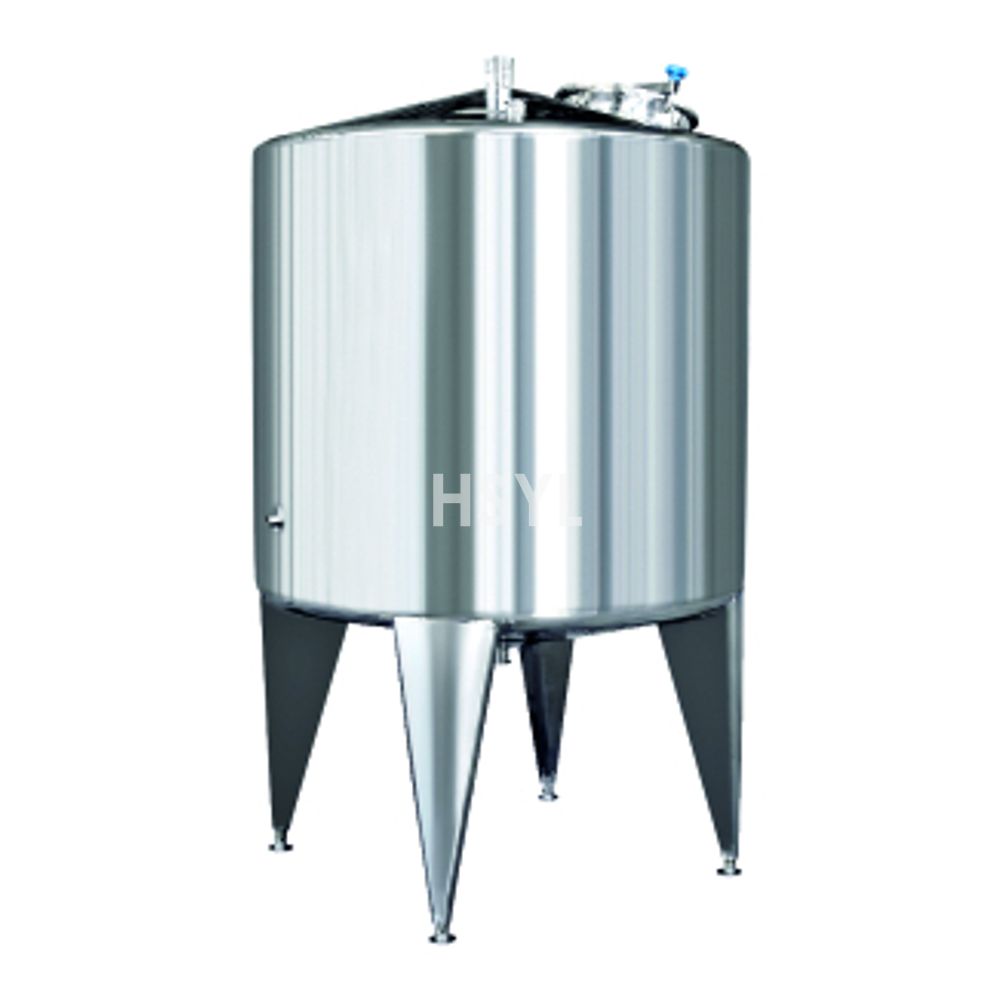
A high shear emulsification tank combines a vessel with a rotor-stator mixing task. It is considered when a liquid recipe requires dispersion or emulsification beyond the duty of a general holding tank. Begin selection with the ingredients, required product result and batch process, followed by an assessment of the actual formulation.
A rotor-stator assembly subjects material passing through its working zone to shear. Match its purpose and operating conditions to the recipe. General agitation, ingredient dissolution and emulsification are different tasks, even when a process uses more than one of them.
Identify the required result: ingredient wetting, powder dispersion, oil-and-water blending or another defined mixing objective. Use an agreed sample or measurable product specification to describe the result to be assessed.
A potential application is the preparation of a sauce or liquid addition requiring dispersion or emulsification before filling. Suitability depends on formulation, processing order and transfer conditions. A liquid sauce and a product containing visible solid pieces should not be treated as the same mixing duty.
Describe where solids are introduced, which ingredients should retain their form and whether a separate holding stage is needed. These details define the boundary between preparation, transfer and filling.
| Selection item | Required information |
|---|---|
| Recipe | Ingredients, phases, powders, solids and addition sequence. |
| Batch | Working volume, frequency and transfer schedule. |
| Product properties | Viscosity information, temperature and sensitivity to shear or air incorporation. |
| Required result | Reference sample or agreed quality specification. |
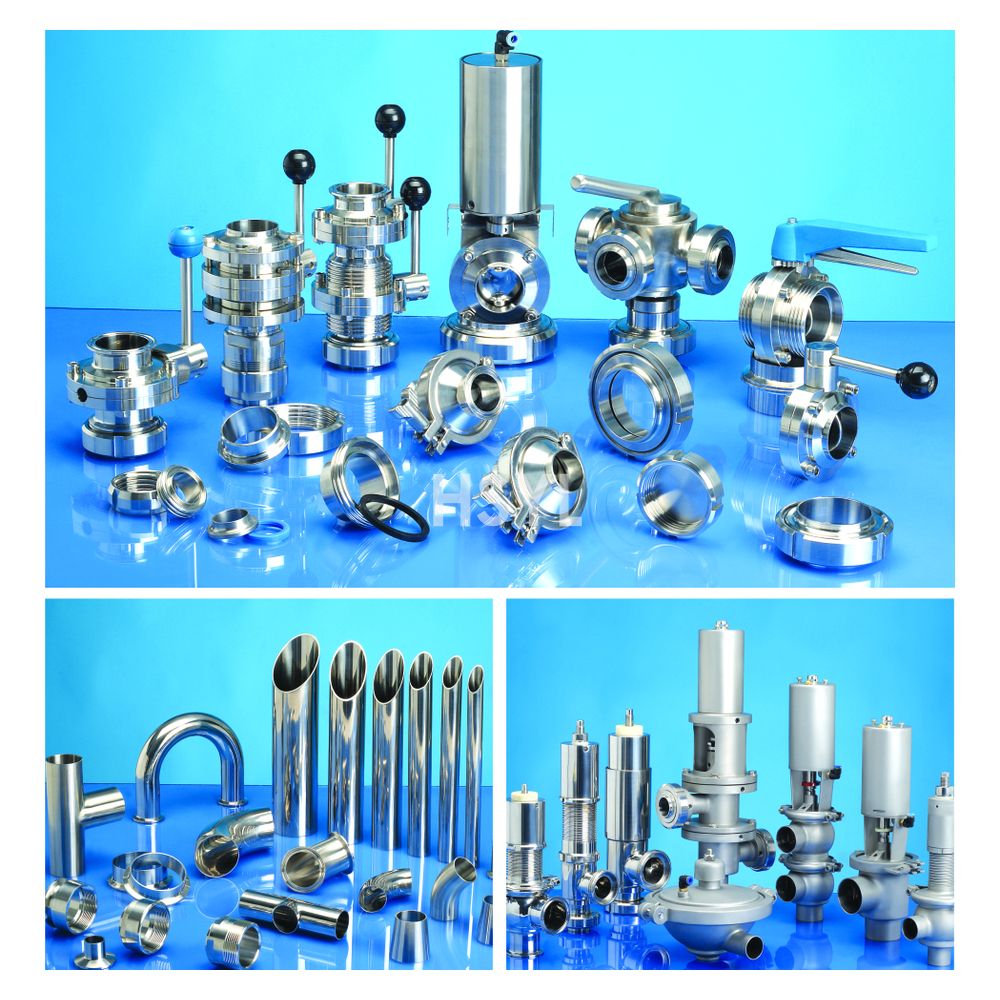
| Arrangement | Vessel geometry, mixing assembly, access and any temperature-control duty. |
| Cleaning | Residue, changeover, method and inspection access. |
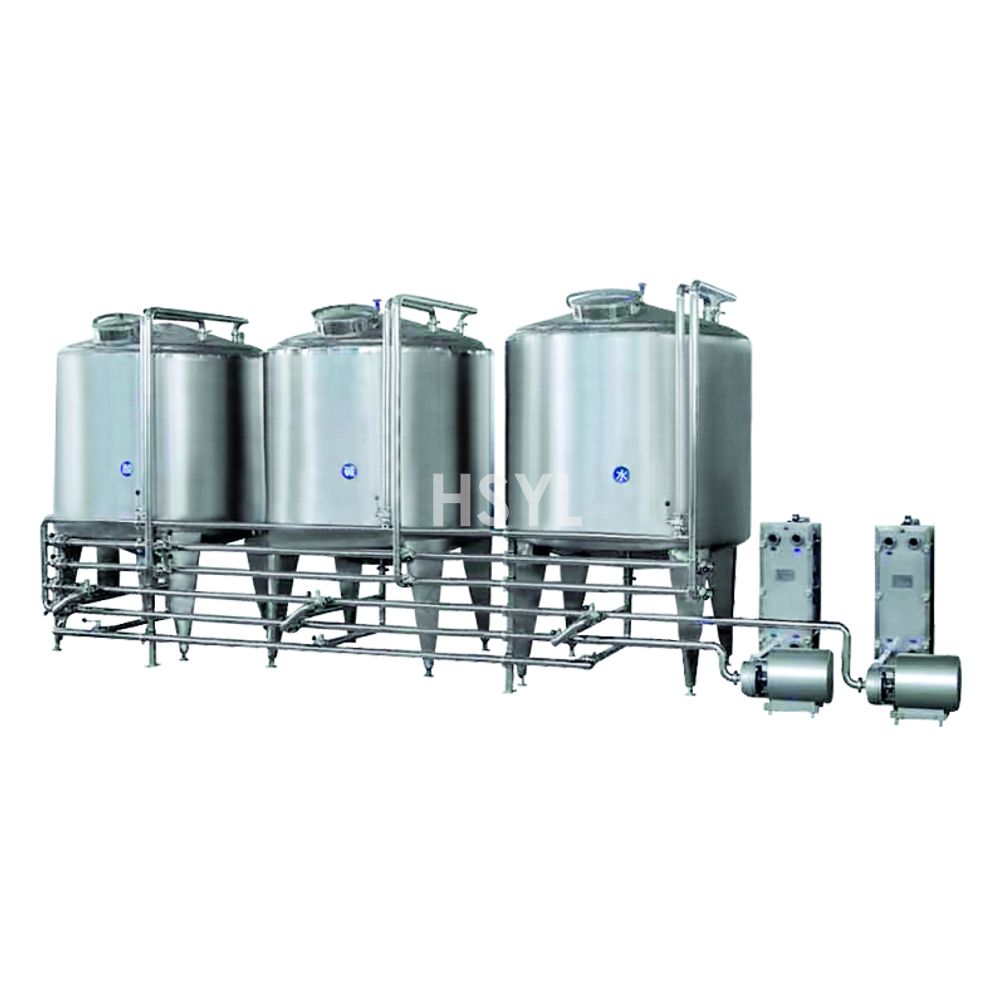
Upstream interfaces may include ingredient dosing and a liquid supply. Downstream interfaces may include a holding vessel, transfer pump or liquid-filling machine. Confirm the complete flow path and identify product-contact components.
Use the intended formulation and a defined acceptance basis. Record ingredient sequence, operating conditions, resulting product and transfer constraints. Speed alone does not establish the product result.
Compare quotations using the same working-volume requirement and mixing duty. Identify the vessel, mixing assembly, drive, instruments, connections and cleaning provisions included in the agreed scope.
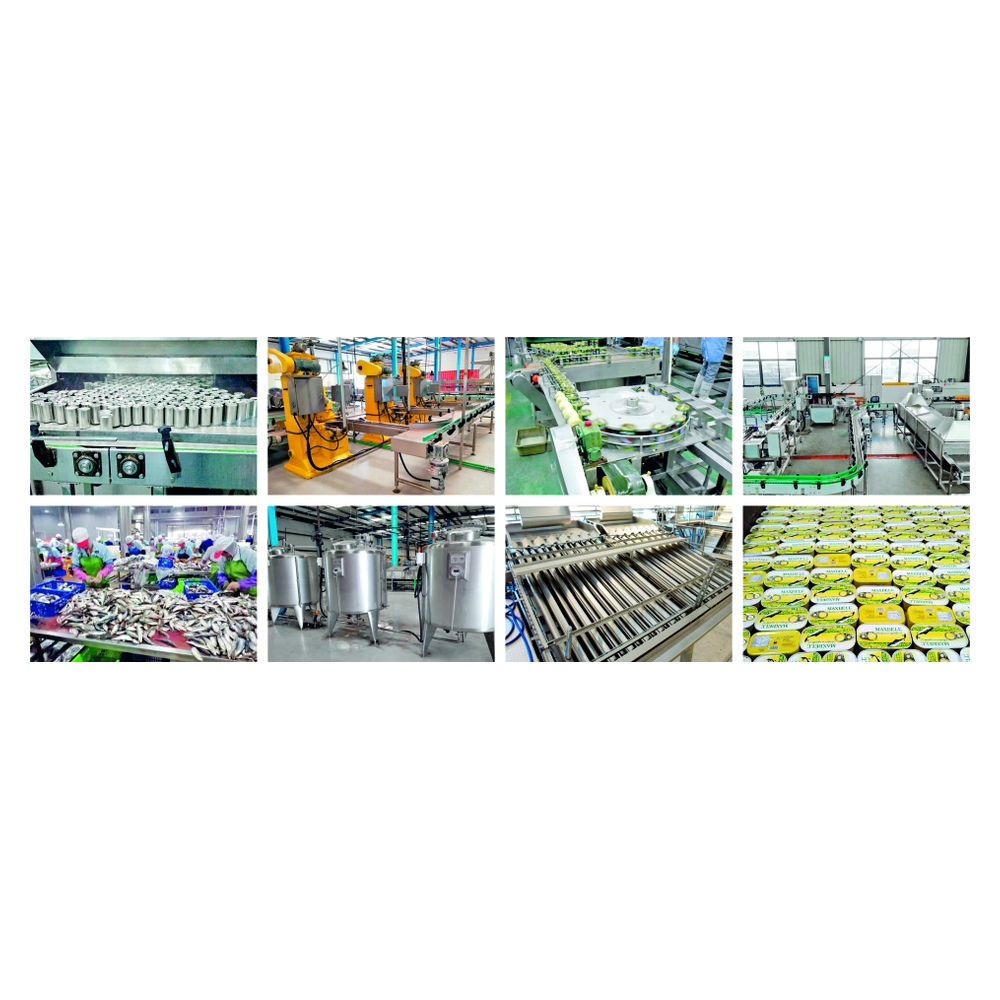
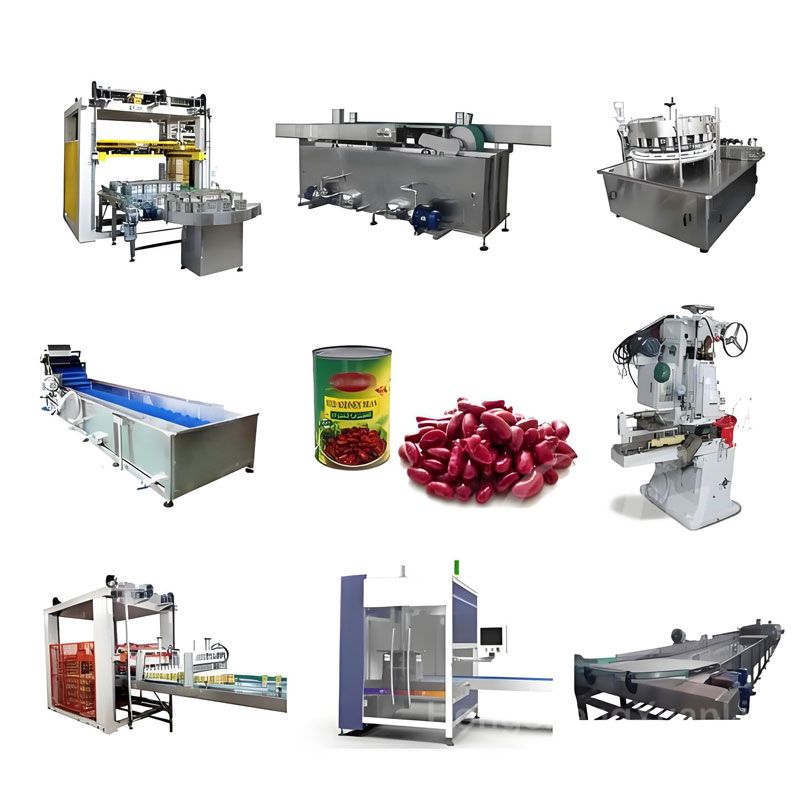
Use the canning production line overview to describe the wider project. Send the process information for review with the equipment duty, operating conditions and connection requirements.


Engineering guide for Basket Shuttle Car focusing on mass flow kinematics & sizi...
Engineering guide for Club Can Seamer focusing on mass flow kinematics & sizing:...

Engineering guide for Seam Stripping Gauge focusing on mass flow kinematics & si...
Engineering guide for Tuna Oil Doser focusing on mass flow kinematics & sizing: ...