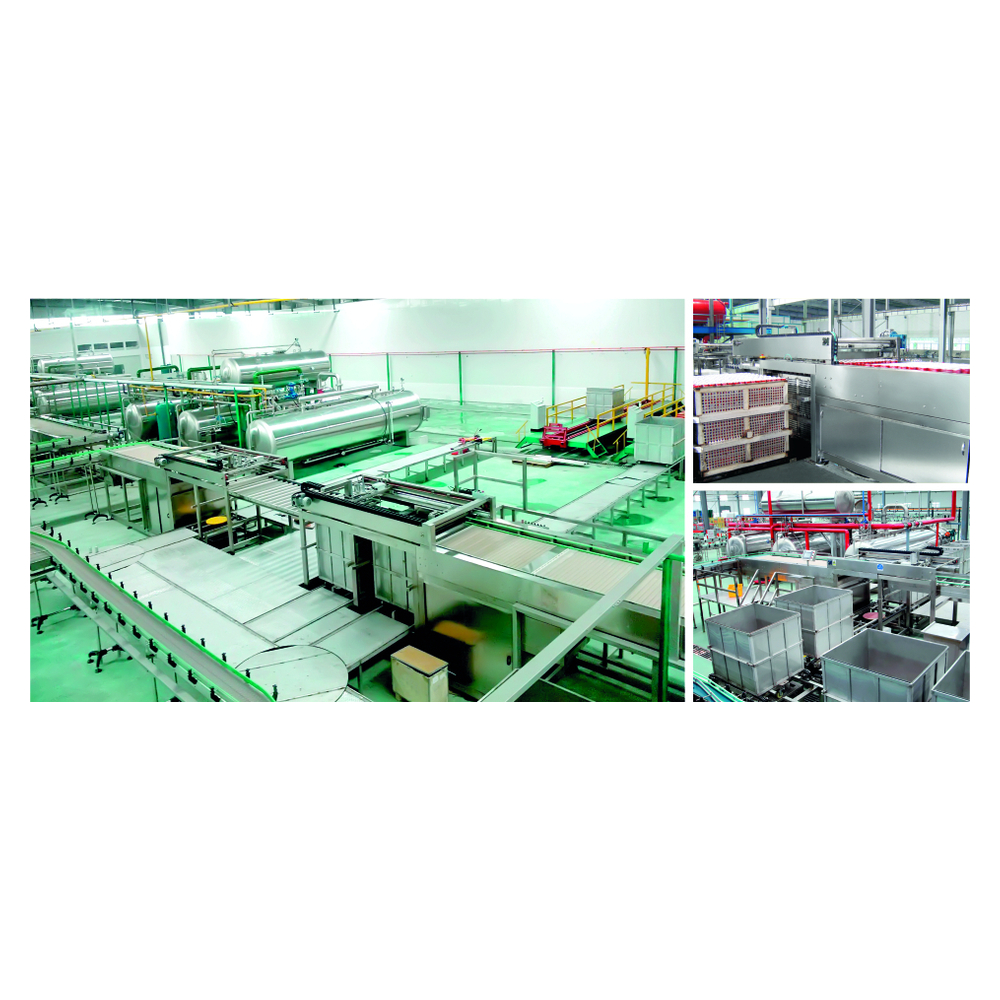
Automatic Retort Basket Shuttle and Transfer Car: Mass Flow Kinematics & Sizing
Engineering guide for Basket Shuttle Car focusing on mass flow kinematics & sizi...
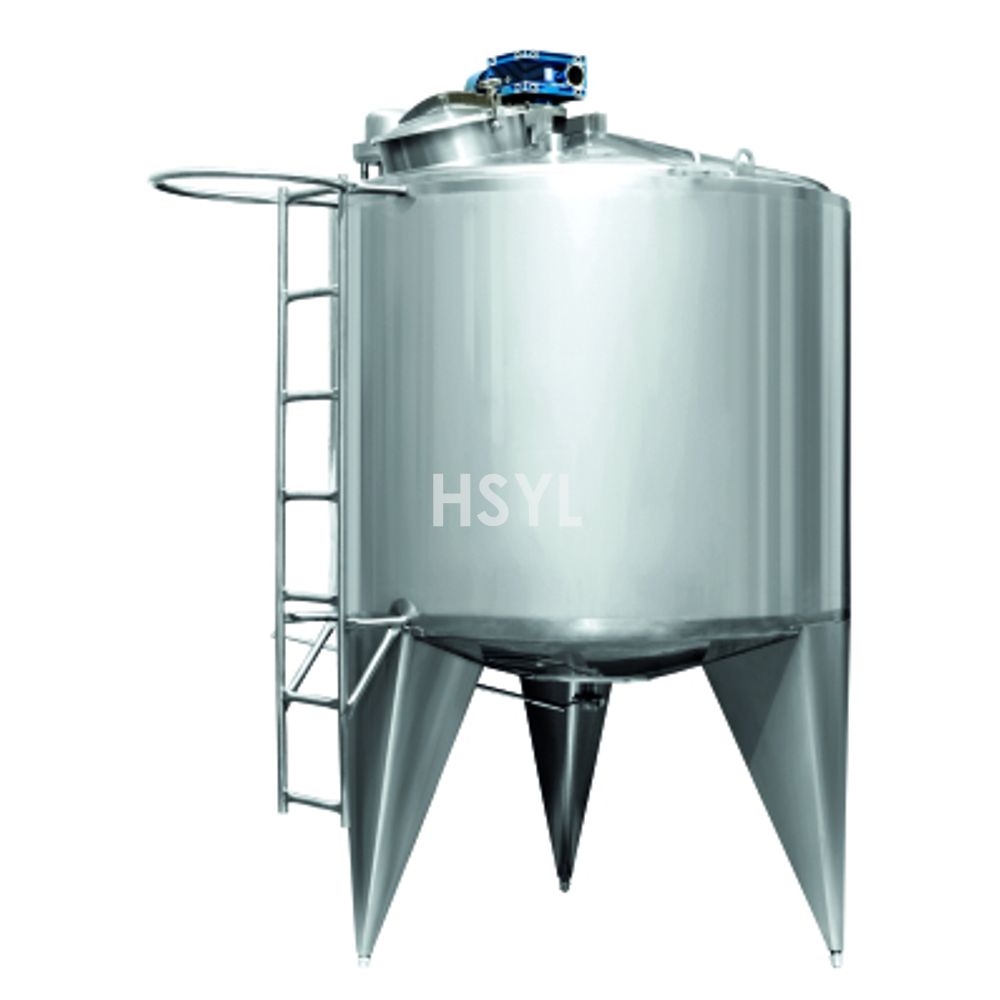
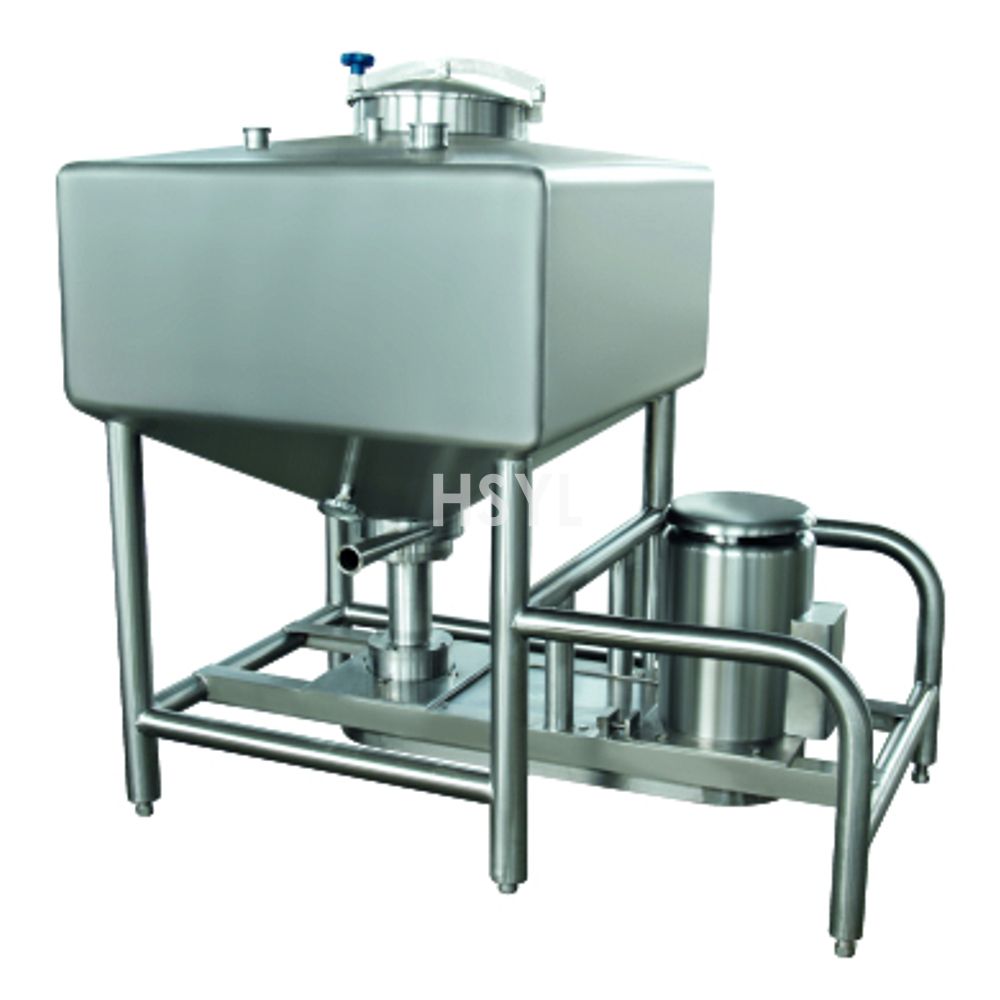
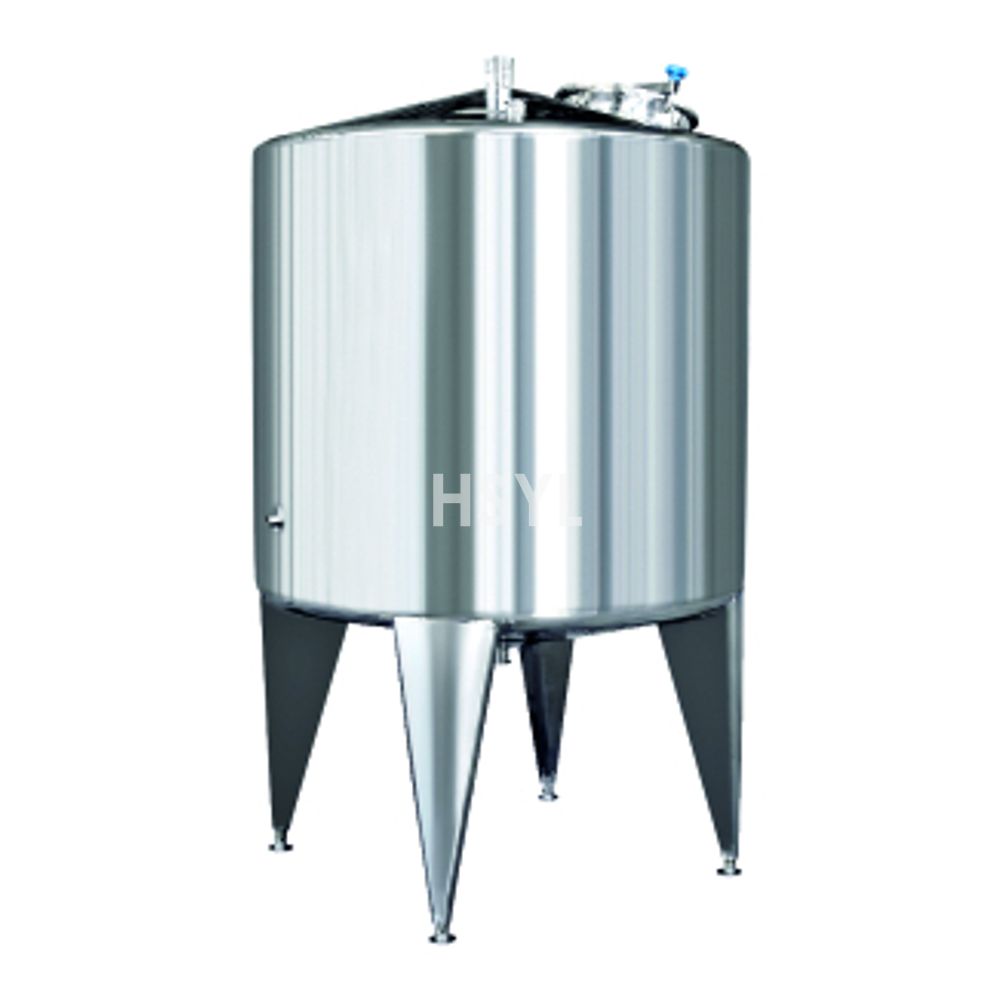
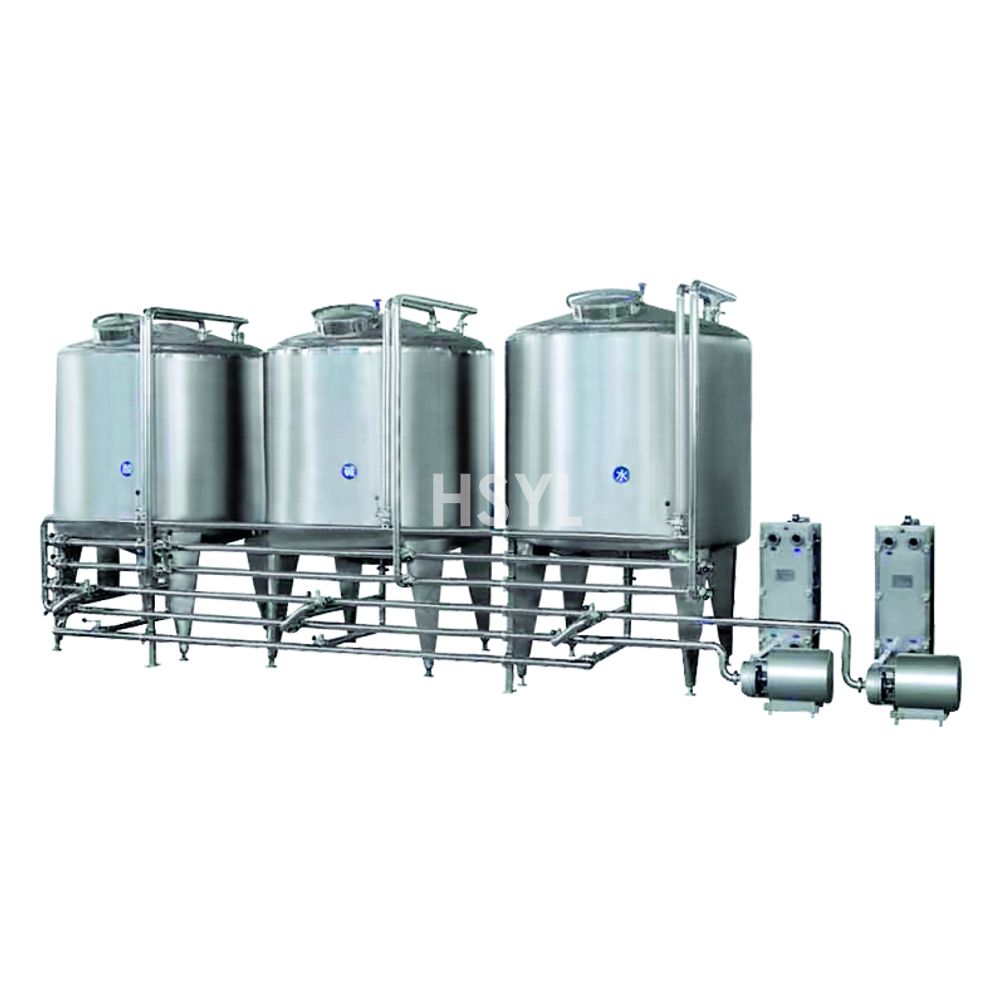
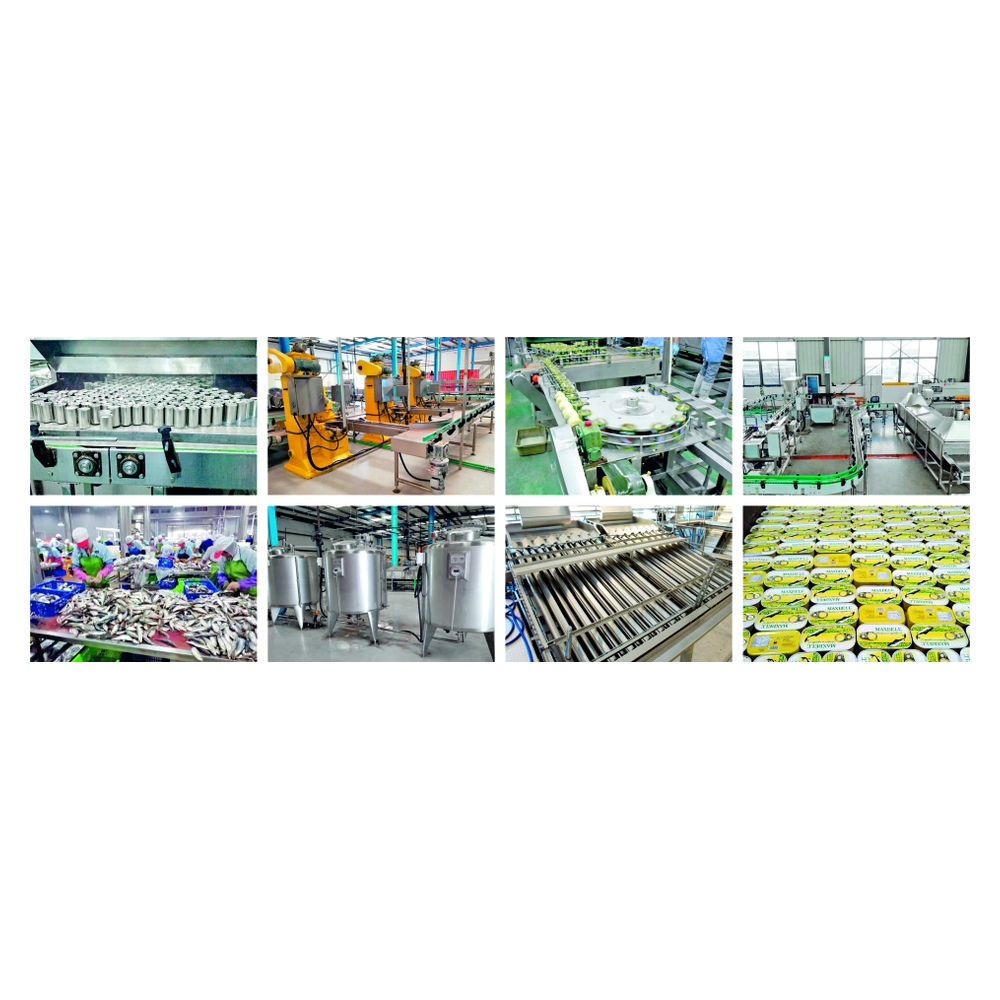
A storage tank provides a defined holding point for a liquid, while a mixing tank adds a specified mixing duty. In a canning project, select this equipment around the liquid recipe and the production schedule. Decide whether the process needs storage, blending or both before comparing configurations.
| Duty | Project question | Selection focus |
|---|---|---|
| Liquid storage | What volume is needed between preparation and filling? | Working volume, holding conditions, outlet and cleaning access. |
| Ingredient blending | Which ingredients must be combined and what result is required? | Agitator duty, ingredient addition and mixing assessment. |
| Production buffer | How do preparation batches match filler consumption? | Usable volume, replenishment sequence and level signals. |
| Multiple recipes | What changes between products and how is the vessel cleaned? | Compatibility, drainage and changeover procedure. |
Liquid holding or blending may be relevant to the preparation of brine, syrup, sauce or another recipe-specific addition. Assess each recipe before assigning it to a vessel. Temperature, viscosity, solids and holding conditions determine the questions the tank specification must answer.
A storage vessel should not be assumed to perform heating, cooling or high-shear tasks. State any additional duty explicitly so that the vessel, drive and utility connections can be reviewed together.
Material options listed for this equipment family include SUS304 and SUS316L stainless steel. Select the grade for the actual product and cleaning conditions, and identify it in the approved specification. A material name alone does not establish compatibility for every recipe.
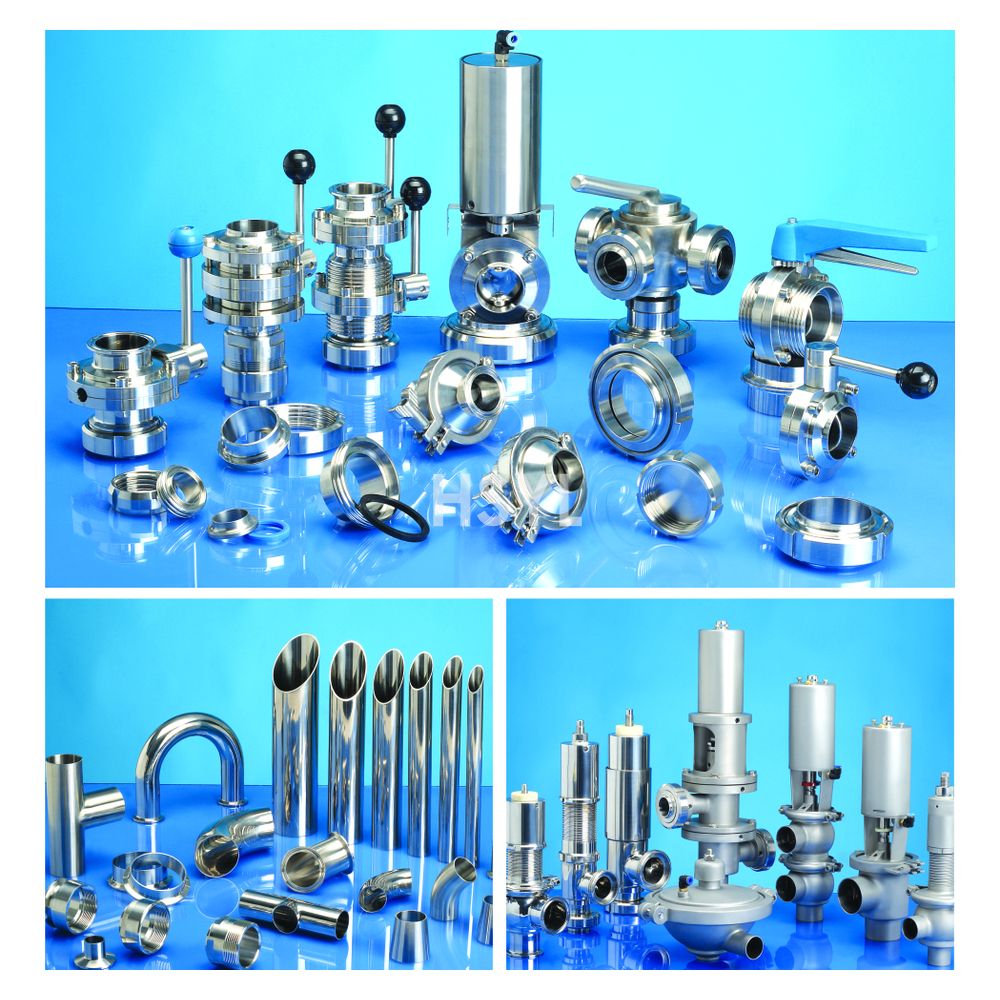
Upstream equipment may be an ingredient-preparation vessel, water supply or transfer pump. Downstream equipment may be another preparation stage or a liquid-filling unit. The connection list should identify size, standard, elevation, valve responsibility and signals exchanged with adjacent equipment.
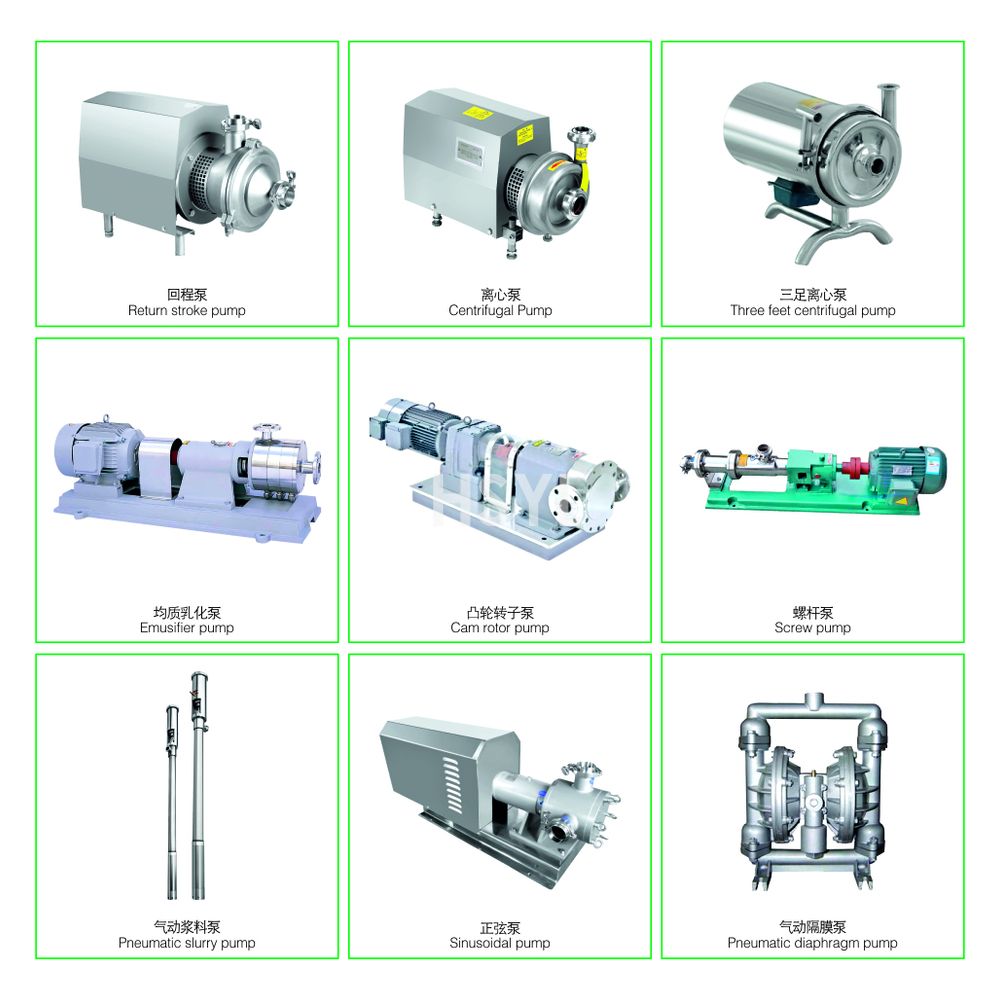
If an agitator or pump is included, compare its duty with the liquid specification. Include filling interruptions, low-level operation and cleaning sequence in the control review.
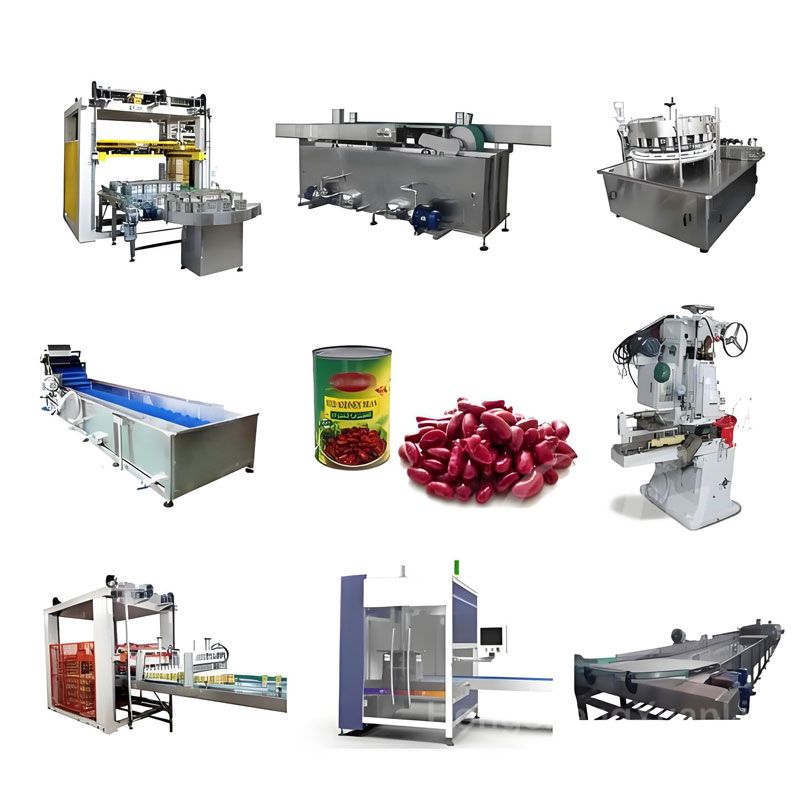
Use the canning production line overview to describe the wider project. Send the process information for review with the equipment duty, operating conditions and connection requirements.


Engineering guide for Basket Shuttle Car focusing on mass flow kinematics & sizi...

Engineering guide for Seam Stripping Gauge focusing on mass flow kinematics & si...
Engineering guide for Tuna Oil Doser focusing on mass flow kinematics & sizing: ...
Engineering guide for Club Can Seamer focusing on mass flow kinematics & sizing:...