Rotary Tuna Flake and Oil Dosing System: Mass Flow Kinematics & Sizing
Engineering guide for Tuna Oil Doser focusing on mass flow kinematics & sizing: ...
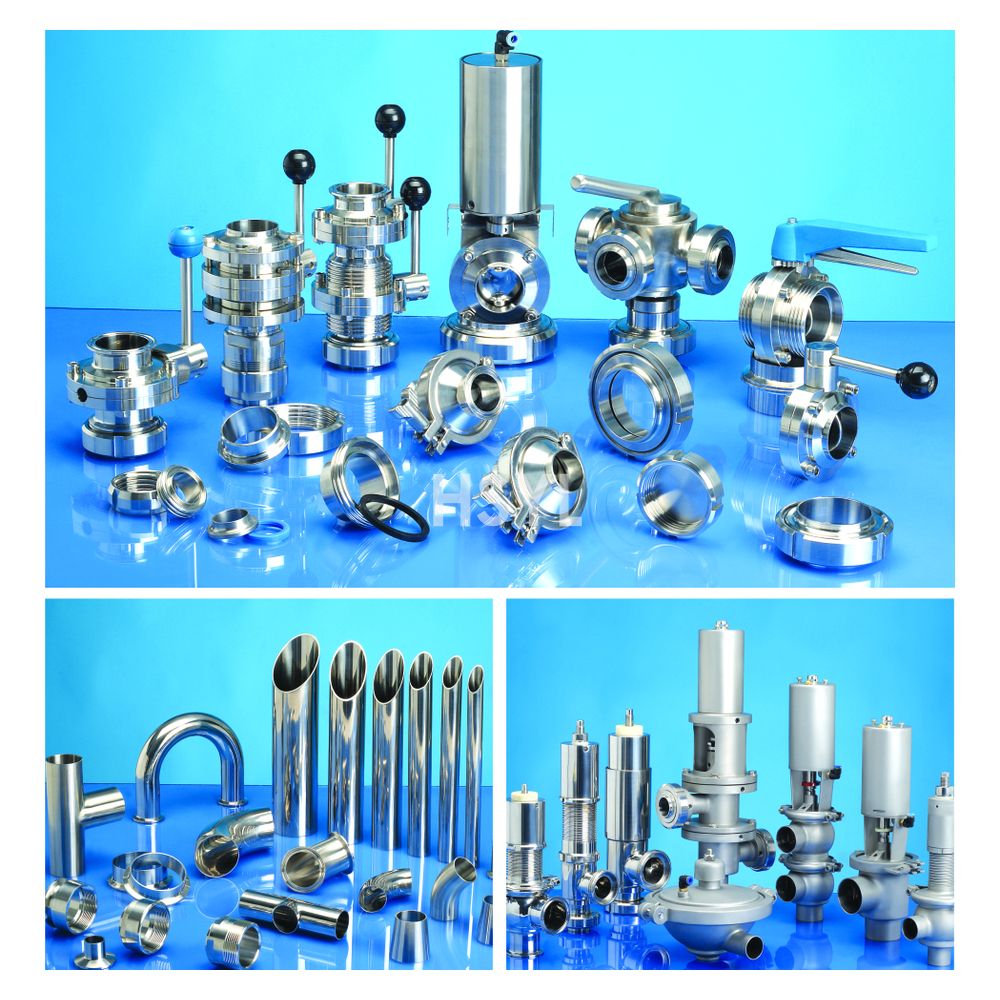
Pipes, fittings and valves form the product and cleaning routes between process equipment. For a canning project, specify them as a coordinated circuit: material grade, dimensions, connection standard, valve function and cleaning arrangement must agree with the equipment they connect.
| Component group | Examples | Selection question |
|---|---|---|
| Pipes and fittings | Straight pipe, elbows, tees and reducers | What route, dimensions and connection standard are required? |
| Valves | Butterfly, ball, check and sampling valves | What function and conditions apply at each position? |
| Connections | Clamps and associated parts | Do dimensions, sealing surfaces and seals match adjacent equipment? |
| Inspection and service | Sight glasses, filters and manways | Where is inspection or service access required? |
| Tank-cleaning parts | Cleaning balls and associated connections | What vessel and cleaning duty must be assessed? |
Material options listed for this family include SUS304 and SUS316L. Specify the actual product-contact grade and seal material for the product and cleaning conditions. Request the documents required by the project rather than treating a material name as a complete compliance statement.
Define a connection by its dimensional standard as well as its nominal size. Identify pipe dimensions, wall requirement, fitting geometry and seal specification that must match the existing installation.
Mark the required function at each position: isolation, backflow prevention, sampling or another defined task. Review product, pressure, temperature, cleaning method and manual or automated operation. A valve name alone does not establish suitability for every position.
The piping route connects equipment whose product and cleaning requirements must be compatible. Review the route from source vessel through pump and fittings to destination. Identify branches, low points, access requirements and the intended drainage arrangement.
Prepare the component list from the approved drawing. For changes to an existing line, provide current dimensions and connection details so replacement parts can be checked before ordering.
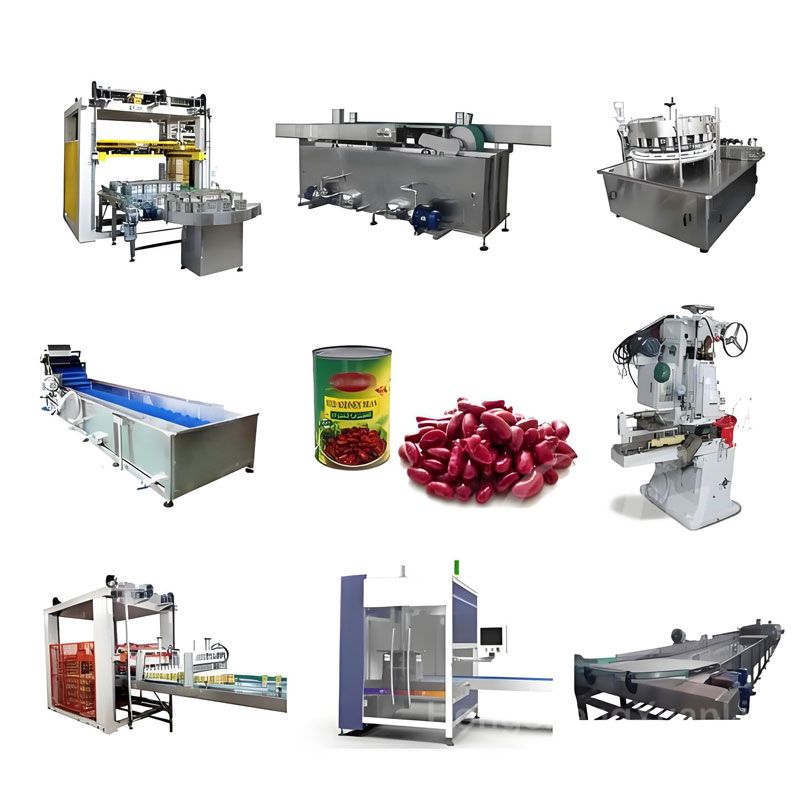
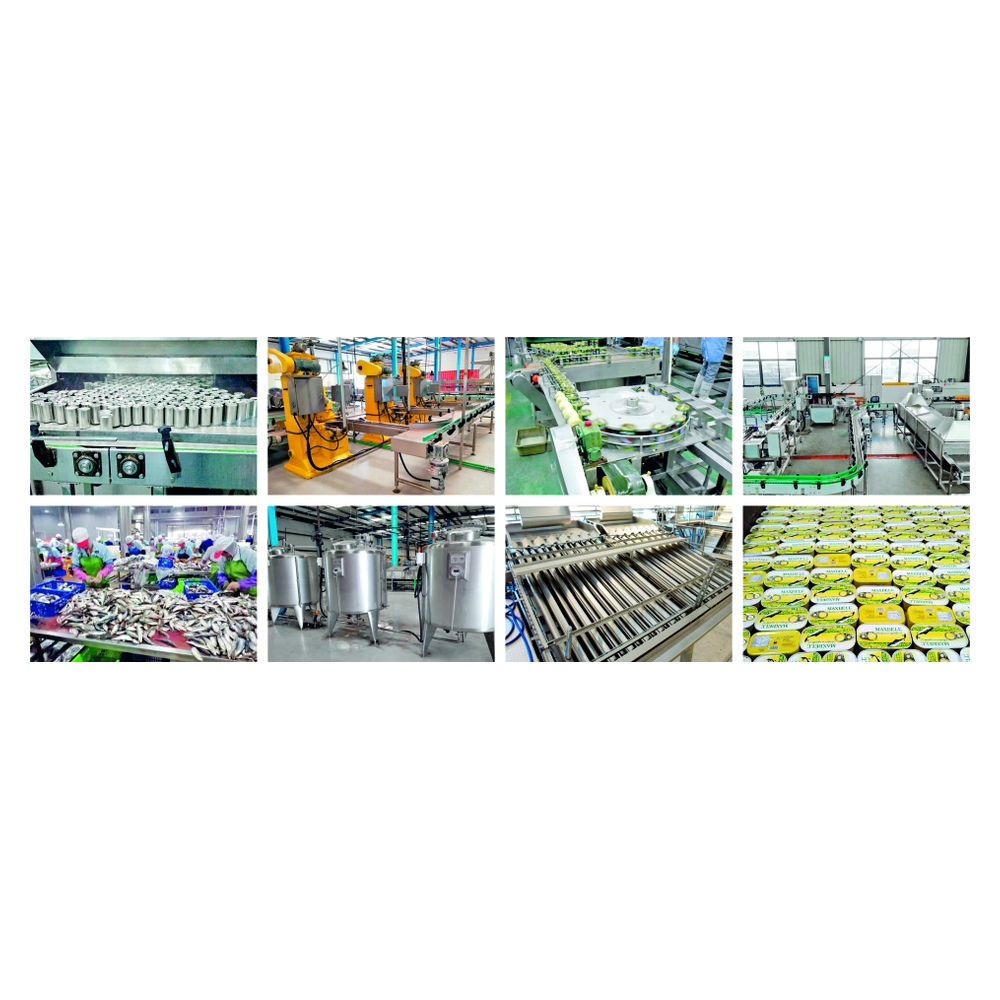
Use the canning production line overview to describe the wider project. Send the process information for review with the equipment duty, operating conditions and connection requirements.
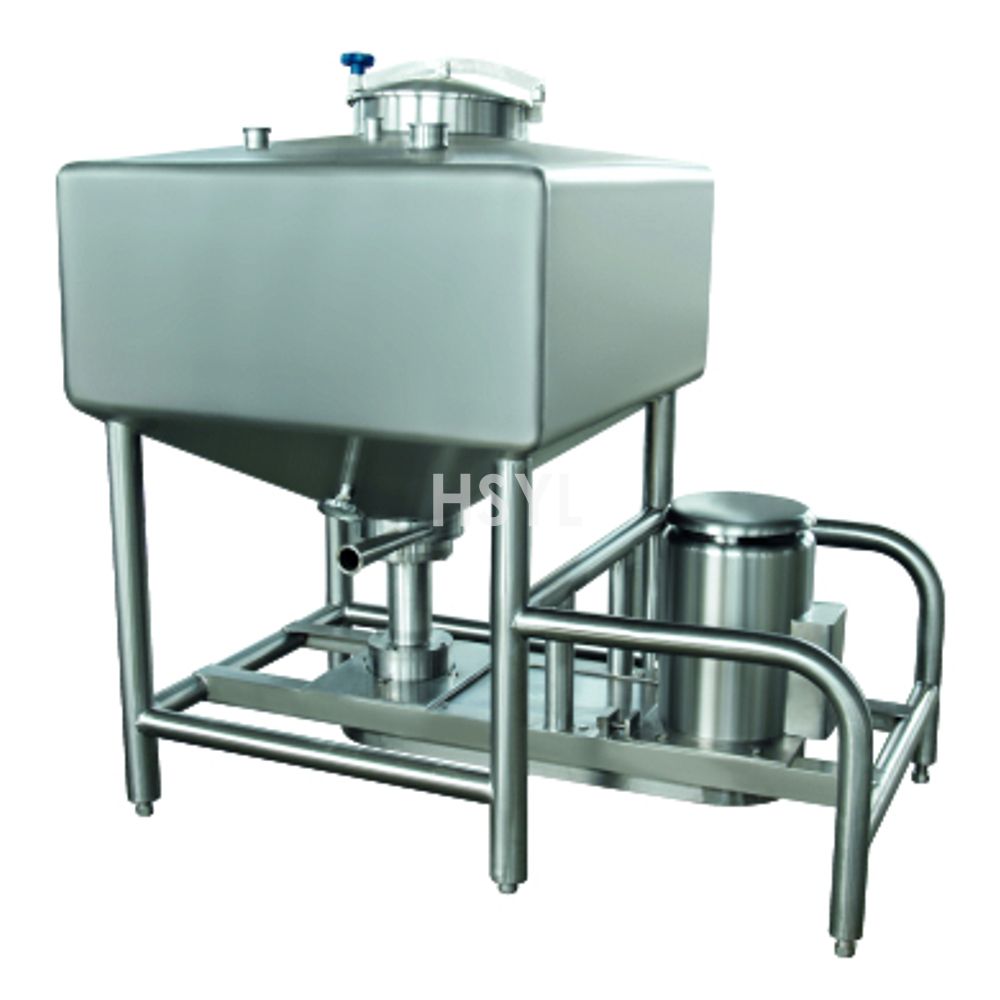
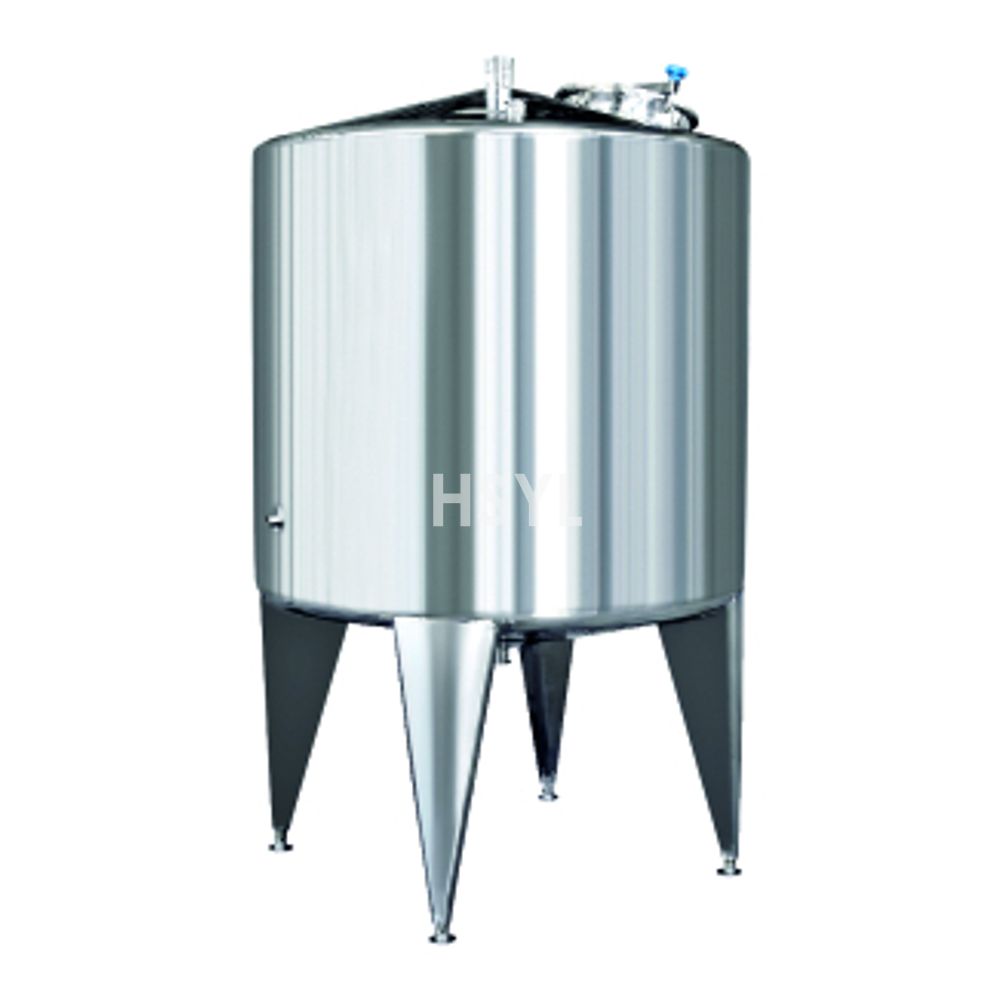
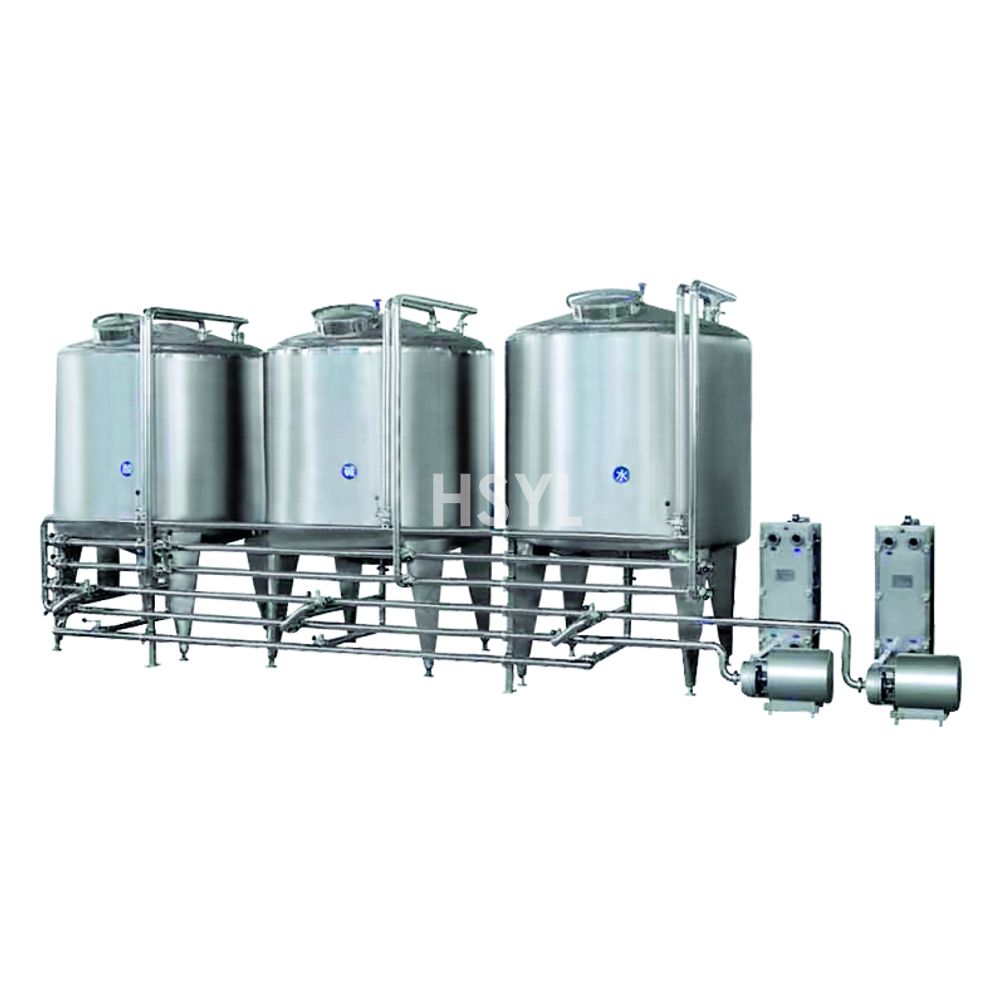


Engineering guide for Tuna Oil Doser focusing on mass flow kinematics & sizing: ...

Engineering guide for Seam Stripping Gauge focusing on mass flow kinematics & si...
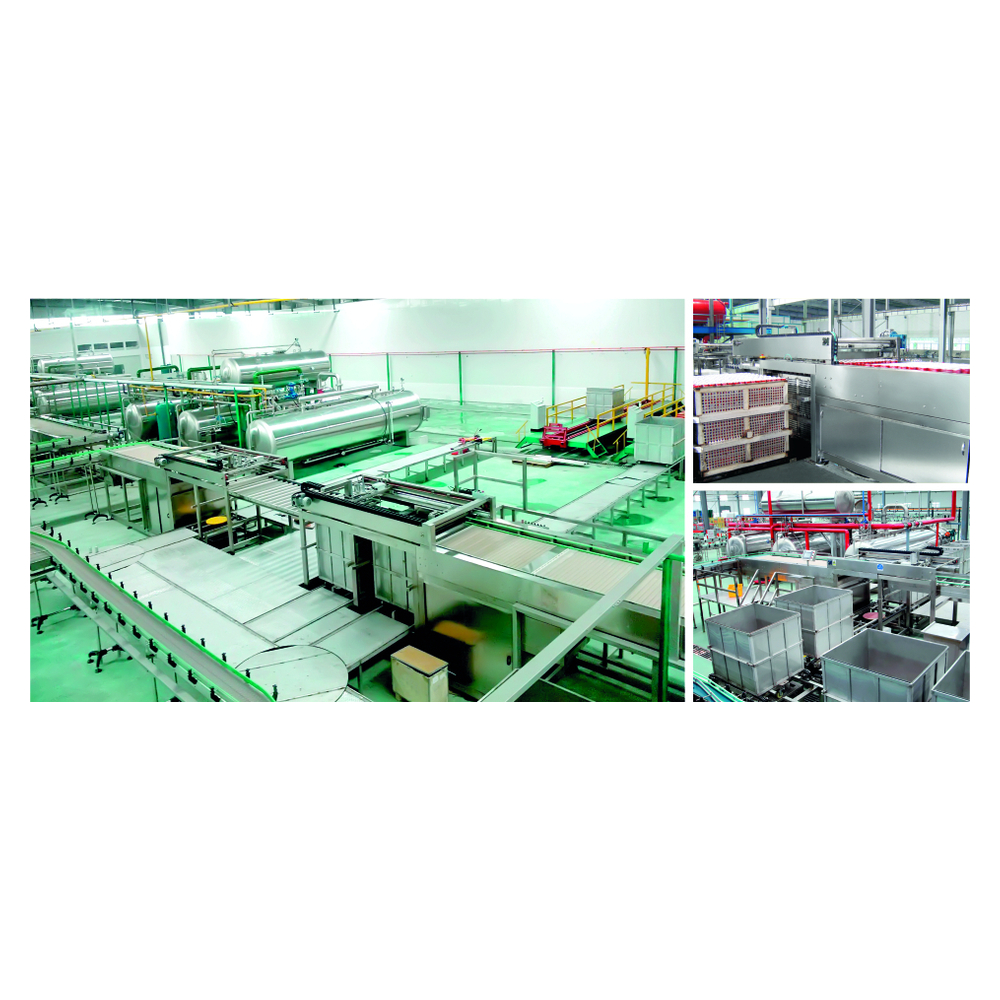
Engineering guide for Basket Shuttle Car focusing on mass flow kinematics & sizi...
Engineering guide for Club Can Seamer focusing on mass flow kinematics & sizing:...