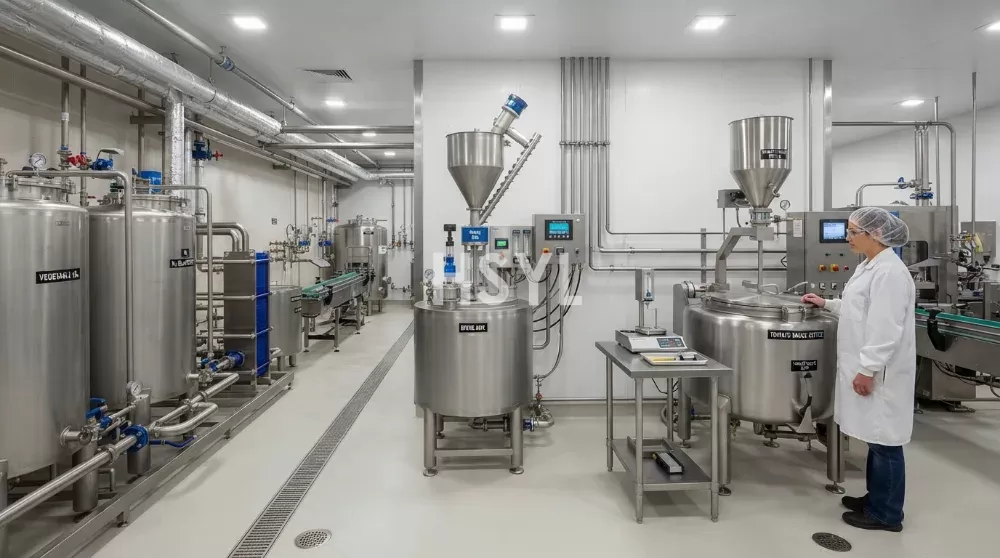
Canned Fish Filling Media: Oil, Brine, Tomato Sauce and Flavored Sauce Systems
The filling medium — the liquid that fills the void spaces between the fish piec...
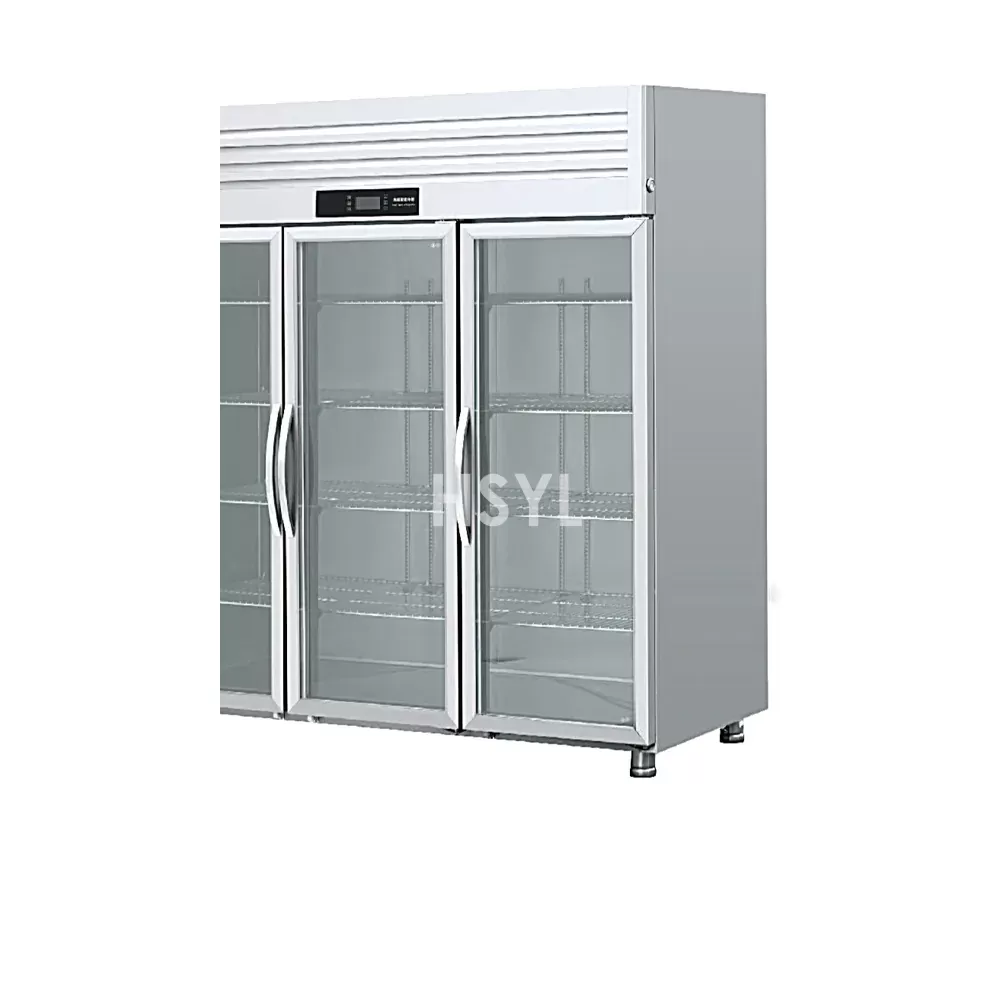
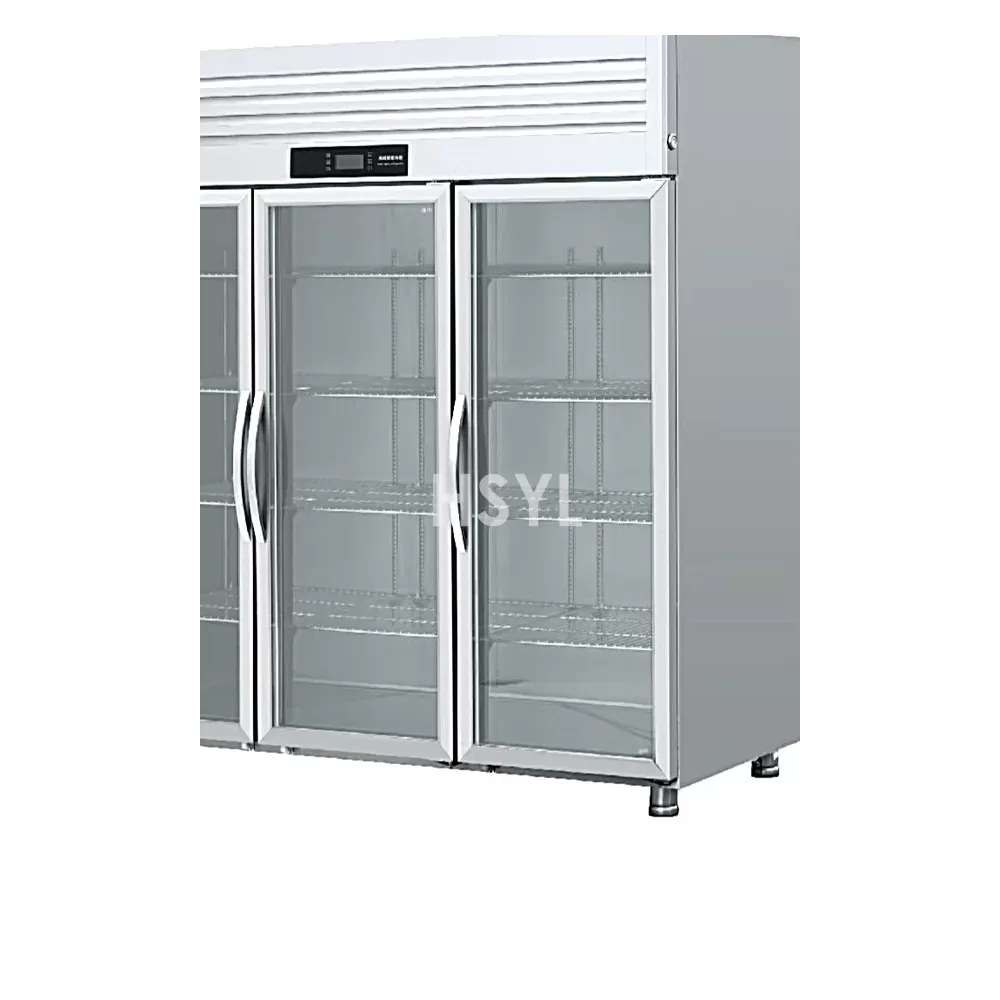
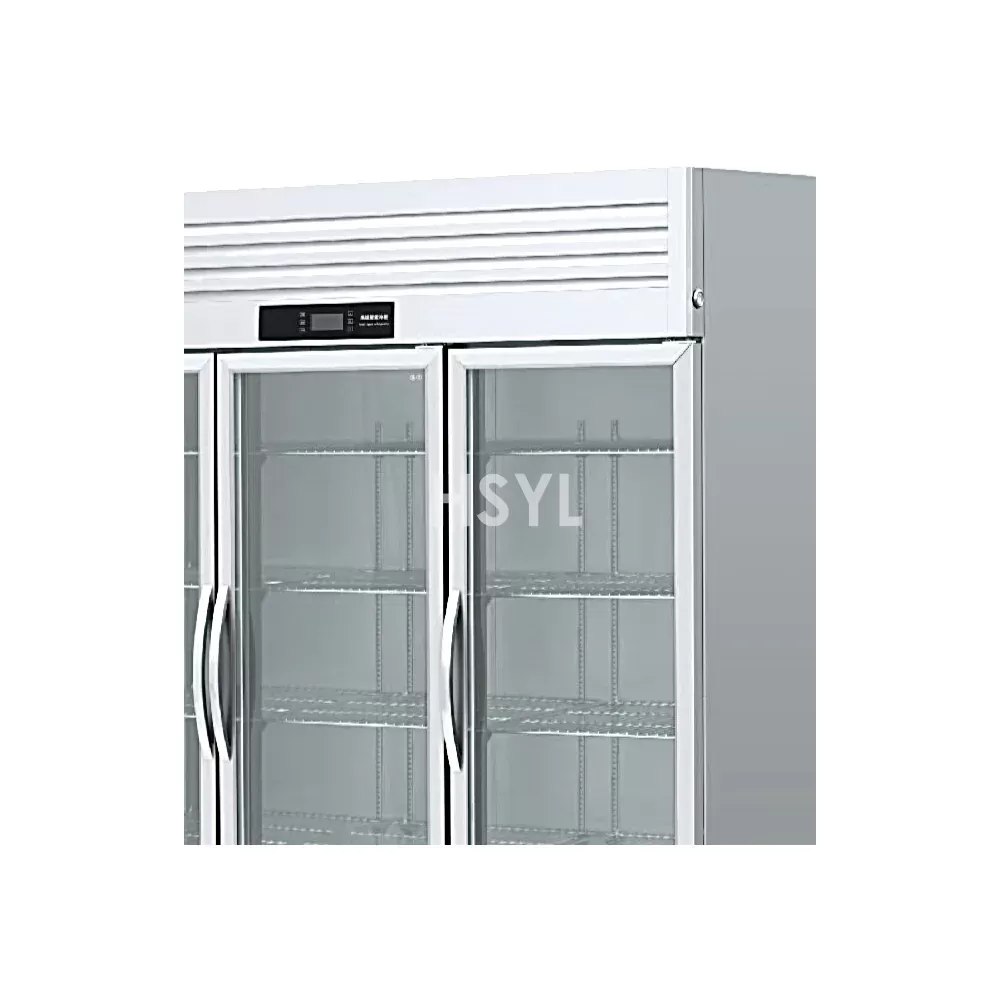
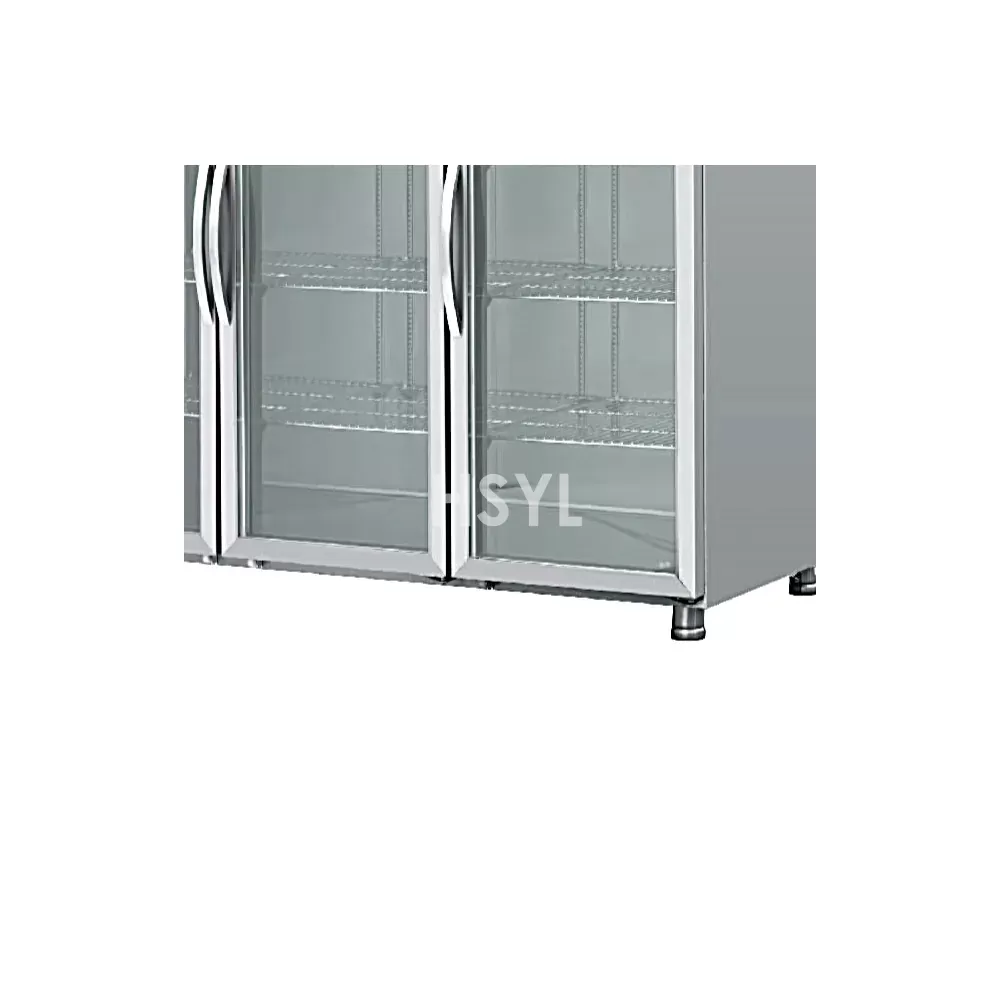
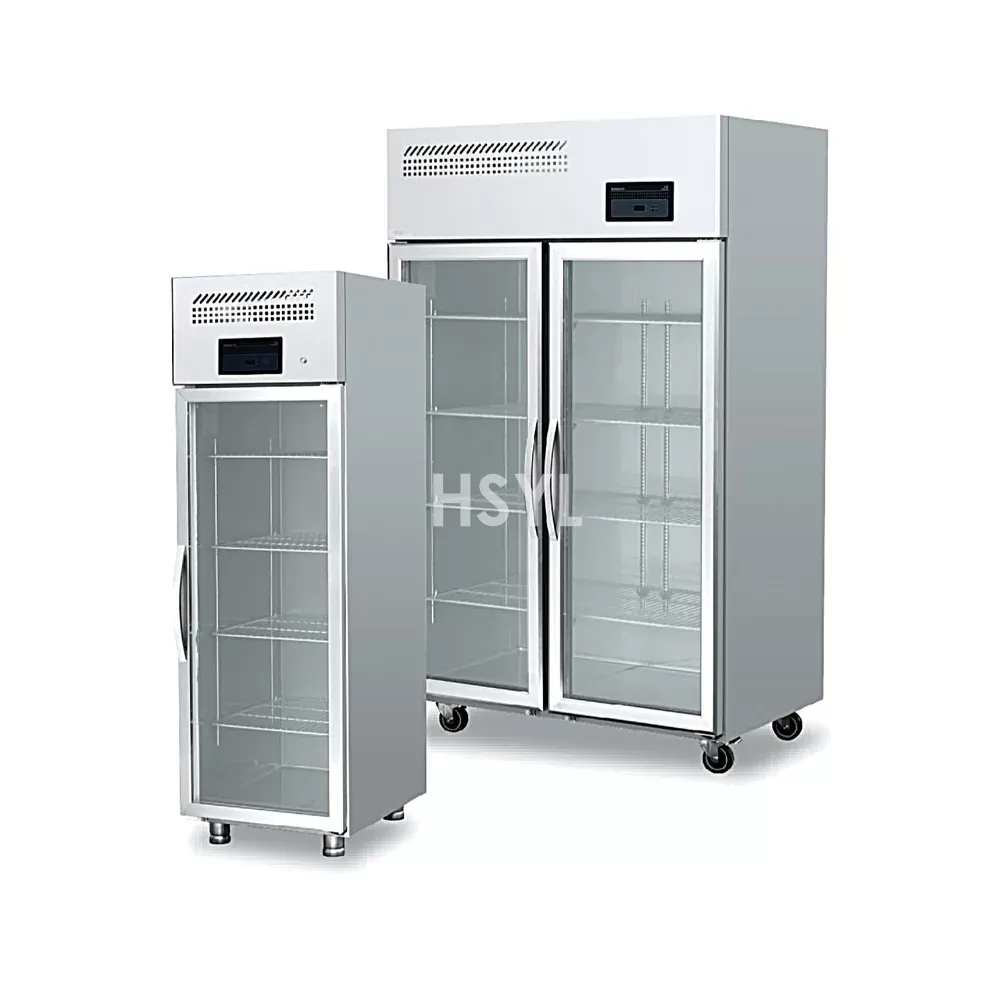
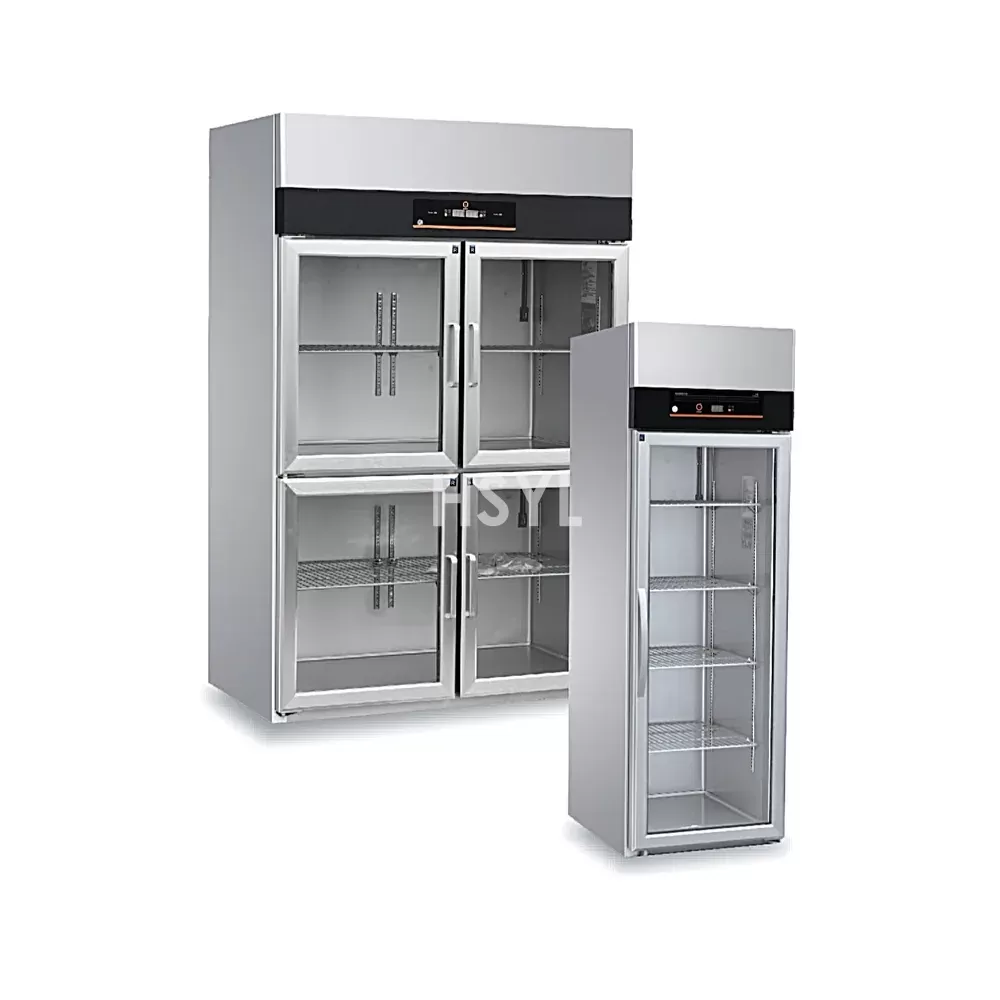
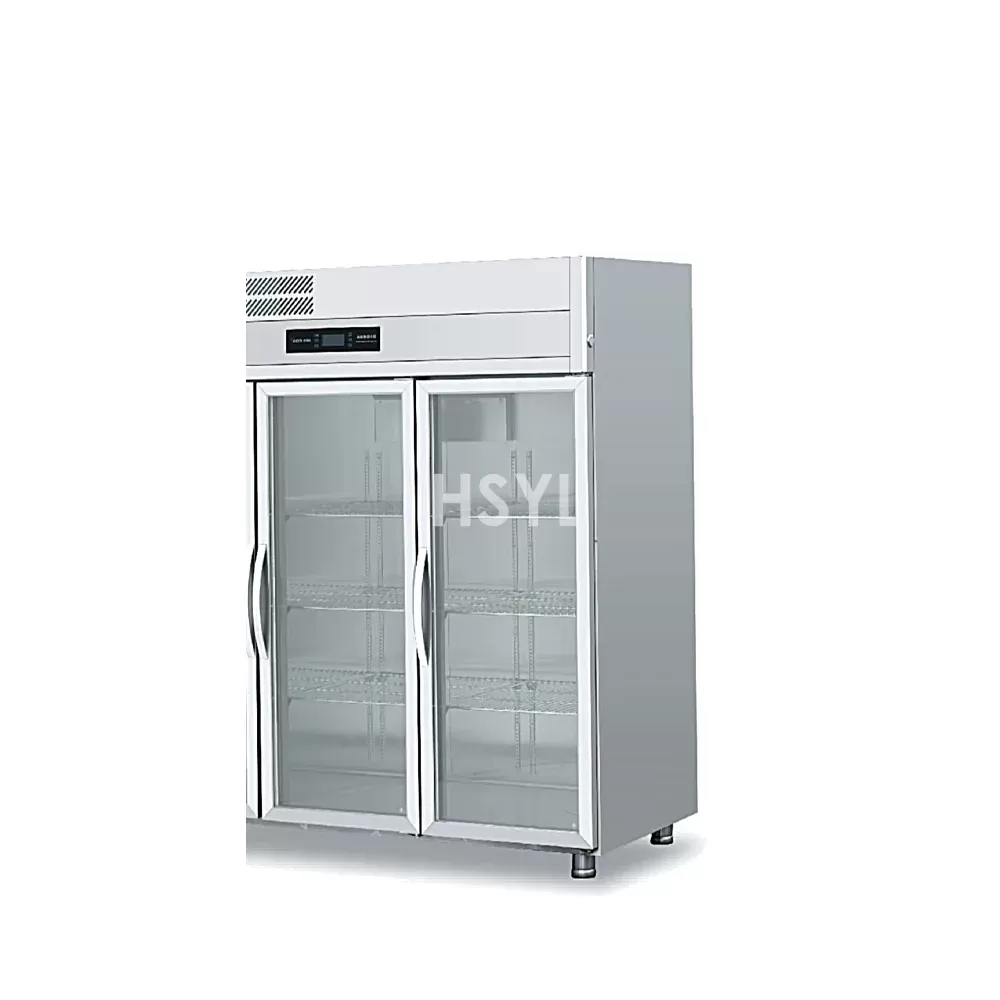
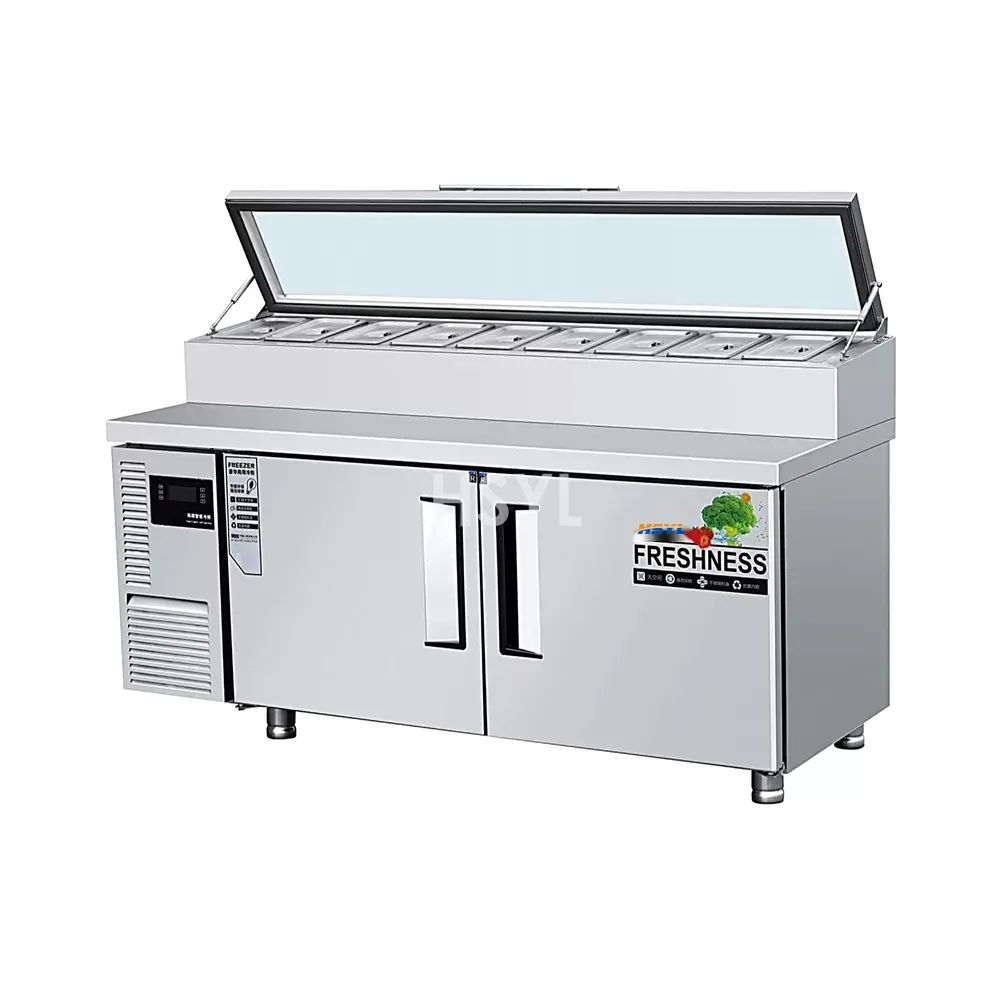
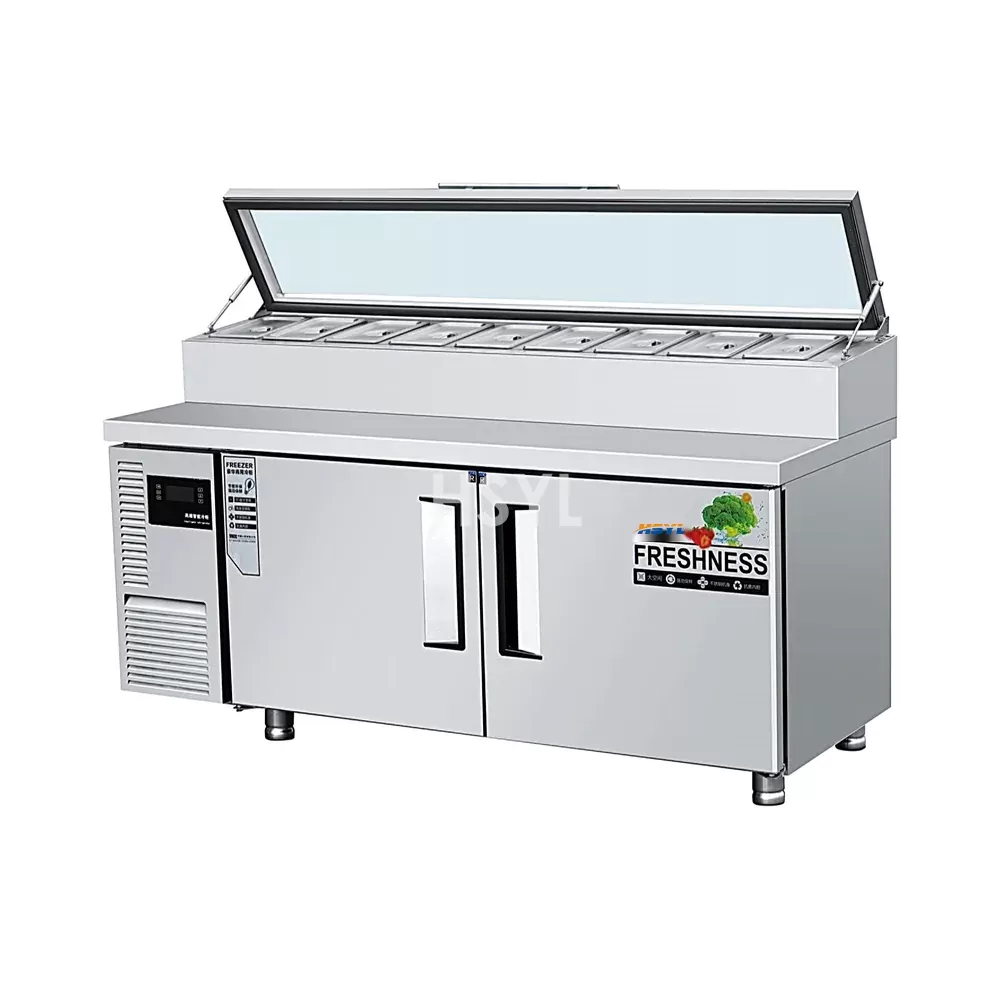
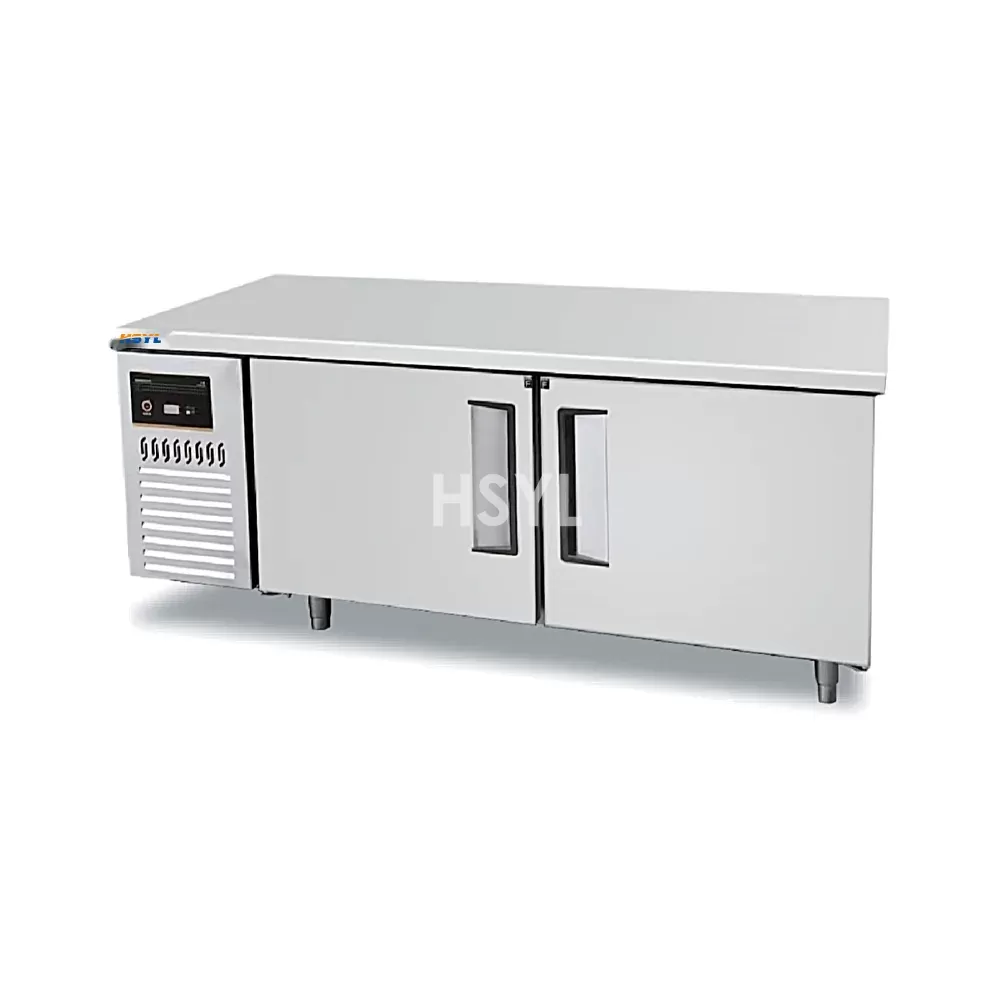
Commercial E Series Display Fridge, Direct Cooling. Compare models, specifications, applications, utilities and configuration options.
The EDTR E Series Display Fridge (Direct Cooling) is a commercial refrigeration cabinet designed for visible chilled merchandising or service storage. This cabinet combines the specified format and cooling method. Select the model according to temperature range, capacity, refrigerant, voltage, ambient class, dimensions and door configuration. In the food flow, it provides a storage or preparation-stage buffer after receiving, preparation or validated cooling and before the next processing or service step. Its procurement value is temperature-controlled usable storage; cabinet format, shelf space, temperature zone, cooling method, ambient duty, utilities and door arrangement should be specified. Explore related cooking, refrigeration and hygiene equipment in the commercial kitchen equipment range.
A compressor-driven refrigeration circuit cools the cabinet through direct or static evaporator surfaces. The thermostat cycles the compressor around the setpoint. Temperature recovery depends on door opening, load temperature, frost condition and heat transfer from the evaporator.
Specifications
| Configuration | Model | Dimensions | Power | Rated Voltage | Temperature | Refrigerant | Capacity | Net Weight |
|---|---|---|---|---|---|---|---|---|
| Single door | EDTR24-1G | 610 × 760 × 1950 mm | 140 W | 220 V, 50 Hz | 2–8 °C | R290 | 380 L | 72 kg |
| Single door | EDTF24-1G | 610 × 760 × 1950 mm | 180 W | 220 V, 50 Hz | -10–0 °C | R290 | 380 L | 72 kg |
| Double doors, top/bottom | EDTR24-2G | 610 × 760 × 1950 mm | 145 W | 220 V, 50 Hz | 2–8 °C | R290 | 380 L | 123 kg |
| Double doors, top/bottom | EDTF24-2G | 610 × 760 × 1950 mm | 210 W | 220 V, 50 Hz | -10–0 °C | R290 | 380 L | 123 kg |
| Double doors, left/right | EDTR48-2G | 1220 × 760 × 1950 mm | 280 W | 220 V, 50 Hz | 2–8 °C | R290 | 870 L | 123 kg |
| Double doors, left/right | EDTF48-2G | 1220 × 760 × 1950 mm | 300 W | 220 V, 50 Hz | -10–0 °C | R290 | 870 L | 123 kg |
| Three doors | EDTR72-3G | 1830 × 760 × 1950 mm | 400 W | 220 V, 50 Hz | 2–8 °C | R290 | 1370 L | 175 kg |
| Three doors | EDTF72-3G | 1830 × 760 × 1950 mm | 400 W | 220 V, 50 Hz | -10–0 °C | R290 | 1370 L | 175 kg |
| Four doors | EDTR48-4G | 1220 × 760 × 1950 mm | 280 W | 220 V, 50 Hz | 2–8 °C | R290 | 870 L | 120 kg |
| Four doors | EDTF48-4G | 1220 × 760 × 1950 mm | 375 W | 220 V, 50 Hz | -10–0 °C | R290 | 870 L | 120 kg |
| Six doors | EDTR72-6G | 1830 × 760 × 1950 mm | 280 W | 220 V, 50 Hz | 2–8 °C | R290 | 1340 L | 153 kg |
| Six doors | EDTF72-6G | 1830 × 760 × 1950 mm | 460 W | 220 V, 50 Hz | -10–0 °C | R290 | 1340 L | 153 kg |
The table summarizes available models and technical specifications. HSYL can match the configuration to your capacity, utilities and workflow.
Remove food before cleaning. Wipe shelves, rounded corners, door gaskets and drain areas with a non-abrasive detergent, then dry surfaces before restart. Specify SUS304 for food-contact zones when the hygiene or corrosion conditions require it.
The cabinet is standalone with automatic thermostat cycling. Specify remote monitoring, alarms, defrost scheduling and door switches during model selection when the project needs them.
Locate the unit after receiving or preparation according to the food-flow plan. Maintain ventilation clearance around the condenser, allow full door swing, keep hot equipment away, and provide a dedicated electrical circuit and drainage if required. For multi-equipment projects, coordinate this unit with the commercial kitchen equipment solution.
Rated performance depends on ambient temperature, ventilation, door-opening frequency, starting load temperature and frost. Do not select only by nominal liters; check usable shelf space and recovery under the intended duty.
Share your capacity, product or load dimensions, site utilities and layout through the HSYL technical proposal request. Our team will recommend a suitable model and configuration.


The filling medium — the liquid that fills the void spaces between the fish piec...
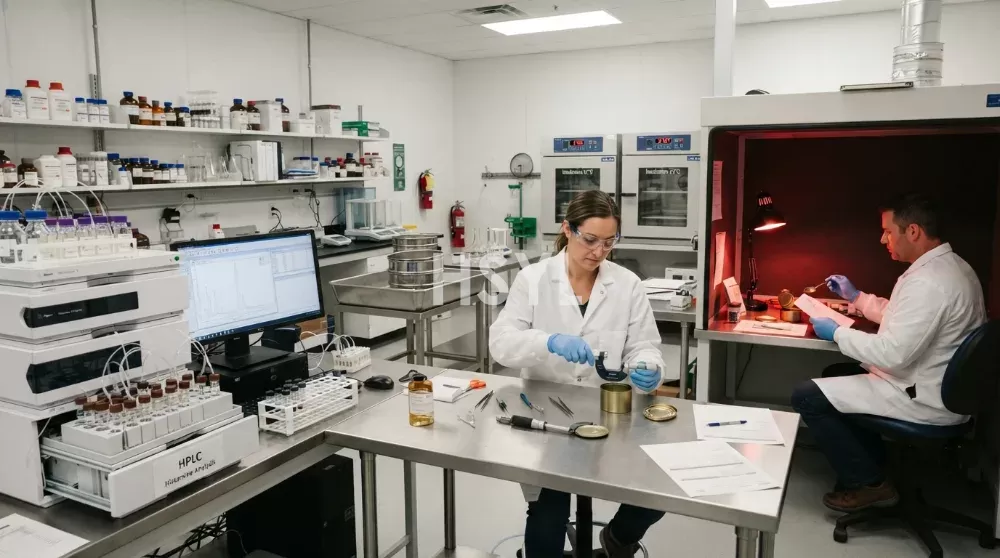
Complete sardine and mackerel canning line: heading and gutting automation, can ...
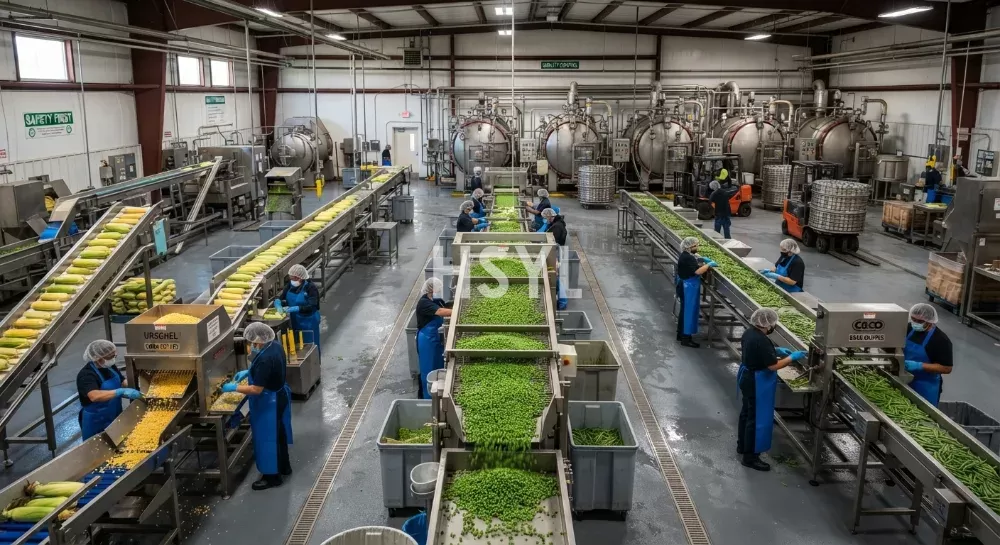
Low-acid canned vegetable processing line for corn, peas, and green beans. Press...
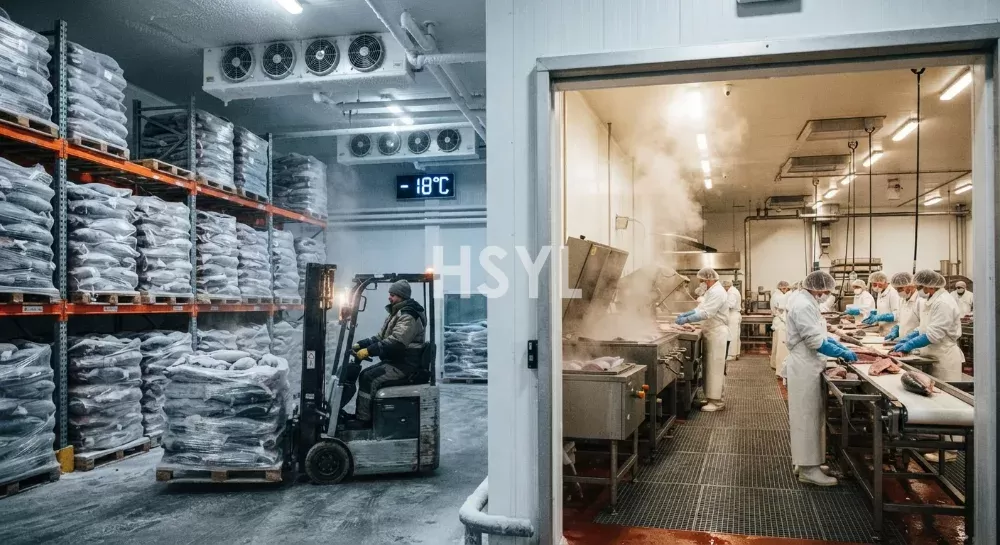
Direct AnswerThe most expensive asset in a fish cannery is not the retort or the...