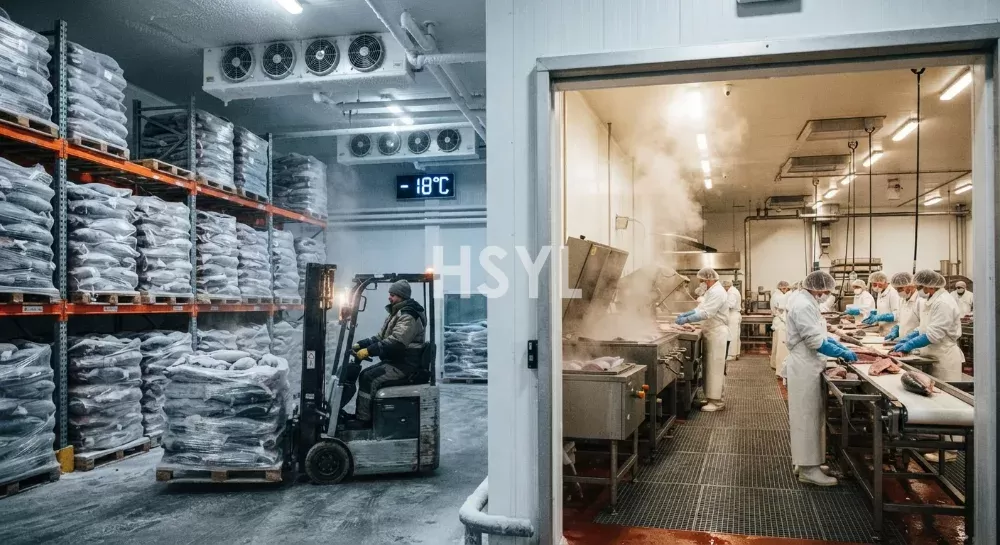
Seasonal Fish Canning: Cold Storage, Multi-Species Rotation and Year-Round Line Utilization
Direct AnswerThe most expensive asset in a fish cannery is not the retort or the...

Engineered for commercial fruit, vegetable, and meat snacks, our industrial vacuum frying machine operates at 80-120°C under deep negative pressure. Reduces oil retention and preserves natural nutrients.
Thermal degradation and excessive oil absorption are primary operational bottlenecks in conventional atmospheric deep-frying systems, particularly when processing high-sugar fruits or starch-heavy root vegetables. By engineering a sealed processing chamber that maintains a continuous negative pressure environment (-0.095 to -0.098 MPa), the industrial vacuum frying machine artificially lowers the boiling point of intracellular water. This allows for rapid moisture evaporation at temperatures strictly controlled between 80°C and 120°C. Processing within this thermal window effectively mitigates the Maillard reaction, prevents the formation of acrylamides, and retains the natural pigmentation and organoleptic properties of the raw ingredients.

Designed for continuous industrial output, the system integrates frying, centrifugal de-oiling, and internal oil filtration into a single automated cycle under unbroken vacuum conditions. This specific mechanical sequence prevents ambient air pressure from forcing residual surface oil into the porous cellular structure of the dehydrated product during the extraction phase.
To accommodate varying plant throughput requirements, the equipment is scaled according to raw material input capacity. The following parameters represent our standard industrial configurations optimized for structural integrity under high vacuum stress.
| Model | Input Capacity (kg/batch) | Heating Power (KW) | Vacuum Degree (MPa) | De-oiling Speed (RPM) | Dimensions (L×W×H mm) | Machine Weight (kg) |
|---|---|---|---|---|---|---|
| HSYL-VF50 | 30 - 50 | 36 | -0.092 to -0.098 | 100 - 300 (Variable) | 2200 × 1600 × 2400 | 1850 |
| HSYL-VF100 | 80 - 100 | 60 | -0.095 to -0.098 | 100 - 300 (Variable) | 2800 × 1900 × 2600 | 2600 |
| HSYL-VF200 | 180 - 200 | 120 | -0.095 to -0.098 | 100 - 300 (Variable) | 3500 × 2200 × 2900 | 3800 |
Shifting from atmospheric thermal processing to vacuum-assisted dehydration fundamentally alters the physical dynamics of moisture extraction. We engineered this system specifically to resolve the stringent quality parameters demanded by the global healthy snack sector.
The core structural integrity of the frying vessel relies on 8mm to 10mm thick SUS304 steel plating, heavily ribbed on the exterior to withstand continuous atmospheric crushing forces when the interior drops to near absolute vacuum. The door seal utilizes a specialized high-temperature, oil-resistant silicone gasket integrated with an active pneumatic locking ring.
Vacuum generation is handled by a dual-stage setup. A primary water-ring pump handles the initial massive displacement of atmospheric air and steam. Once the pressure drops to a specific threshold, a secondary Roots vacuum pump engages to push the chamber into the deep vacuum zone (-0.098 MPa). This multi-stage approach prevents pump cavitation and reduces overall electrical consumption during long processing cycles. The integrated Siemens PLC continuously monitors differential pressure sensors and automatically modulates the pump manifold valves to stabilize the internal environment regardless of the product's moisture release rate.
Facilities handling diverse product portfolios require agile thermal systems. When processing high-sugar substrates like sliced jackfruit or sweet potato, the equipment is programmed to utilize an extended, low-temperature dehydration curve (e.g., 85°C for 45 minutes) to completely bypass caramelization. The result is a vibrant, crisp chip with extended shelf life.
Conversely, the same unit can be recalibrated for savory applications. Factories utilizing specialized meat processing machine setups for marinated poultry or aquatic products can utilize the vacuum fryer to produce crispy meat snacks. The low-temperature environment ensures that the complex protein structures do not denature aggressively, retaining flavor profiles while achieving the necessary moisture reduction for ambient storage.
Every pressurized vessel and vacuum chamber undergoes rigorous hydrostatic and helium leak testing prior to factory dispatch. The electrical control cabinets are built to IP65 standards, utilizing Schneider and Omron contactors to guarantee reliability in humid plant environments. Our engineering teams supply full layout documentation, including necessary boiler sizing, cooling tower specifications for the condenser loops, and detailed P&ID diagrams to streamline site installation and secure swift HACCP and CE operational certification.


Direct AnswerThe most expensive asset in a fish cannery is not the retort or the...
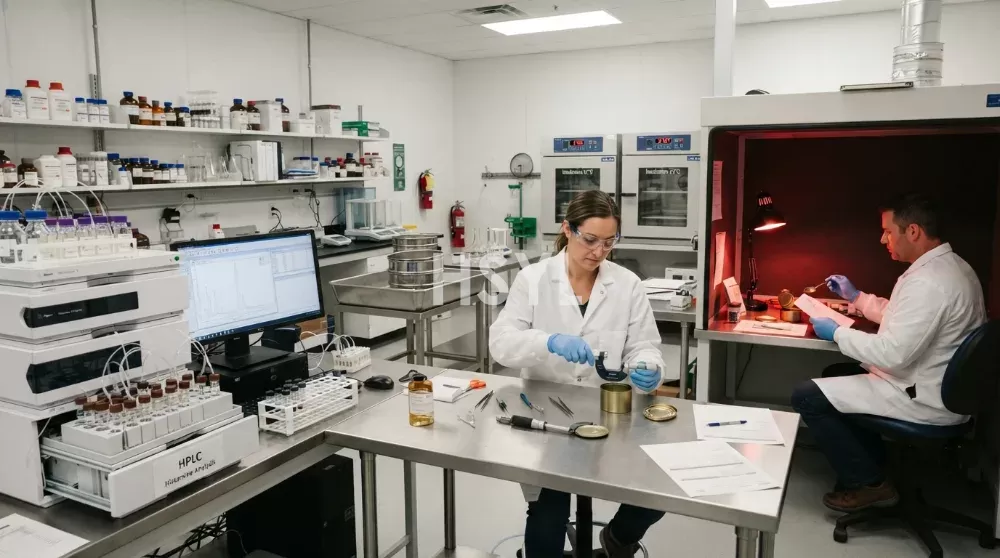
Complete sardine and mackerel canning line: heading and gutting automation, can ...
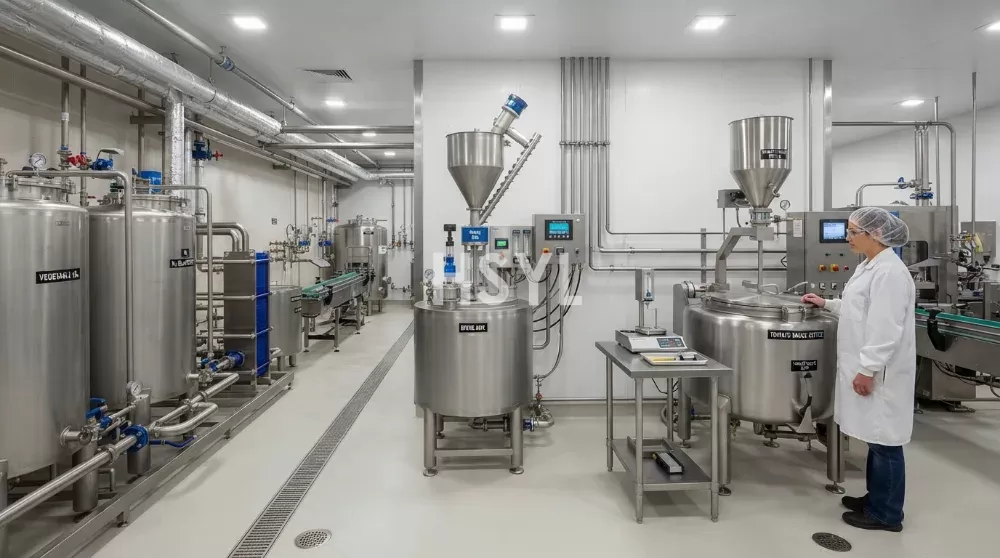
The filling medium — the liquid that fills the void spaces between the fish piec...
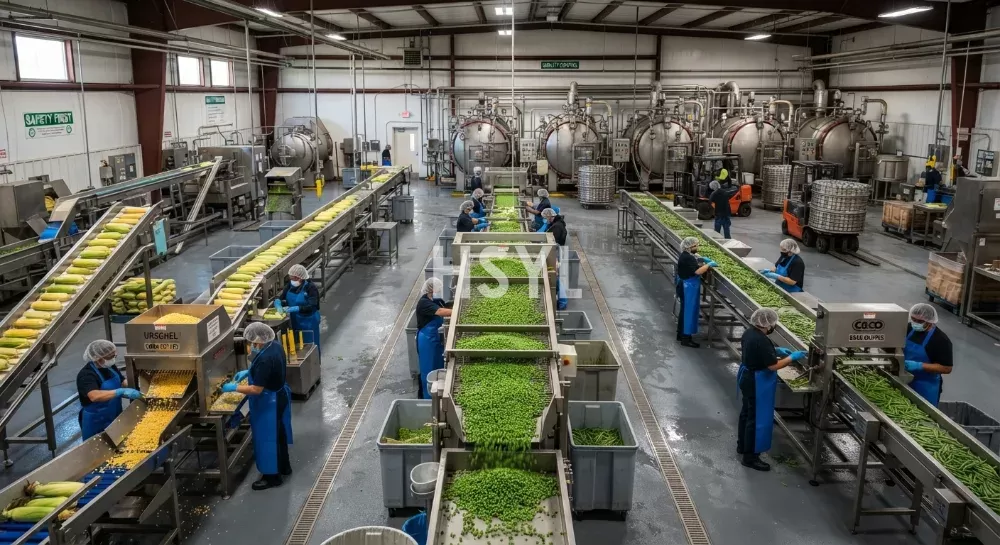
Low-acid canned vegetable processing line for corn, peas, and green beans. Press...