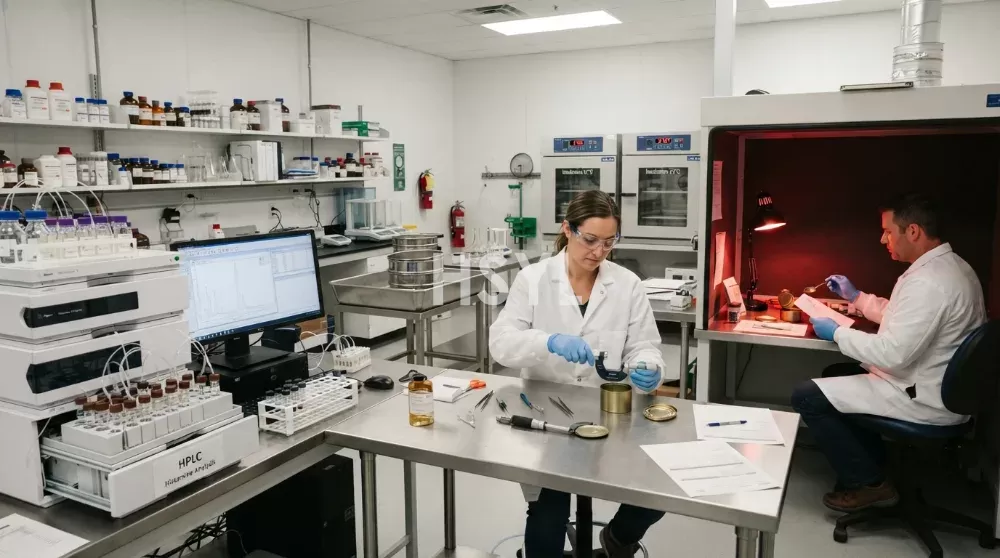
Sardine and Mackerel Canning: Small Pelagic Fish Processing Line
A sardine and mackerel canning line processes small pelagic fish — typically 10–...

Manufacturer of automatic belt frying machines for industrial food processing. Continuous frying systems with hygienic design, customizable capacity, and full production line integration support.
The Automatic Belt Frying Machine is a continuous industrial frying solution designed for medium to large-scale food processing factories requiring stable product quality, high throughput, and strict hygiene control. As an essential unit in modern automated frying lines, this system is widely used by meat processors, seafood processors, snack food manufacturers, frozen food factories, central kitchens, and ready-meal production plants.
Engineered for uninterrupted operation, the automatic belt frying machine conveys products through a precisely controlled oil bath using a food-grade stainless steel mesh or flat belt. It ensures uniform frying time, consistent color, controlled oil absorption, and reliable thermal efficiency. Typical products include breaded meat and poultry, seafood portions, fried vegetables, prepared meals, sauces with particulates, and various coated or pre-cooked foods.
Designed and manufactured by an experienced food processing equipment supplier, this automatic belt frying machine is intended for integration into complete production lines, supporting industrial buyers who prioritize automation level, sanitation design, capacity scalability, and long-term operational reliability.
The automatic belt frying machine operates on a continuous conveying principle. Raw or pre-treated food products are evenly fed onto the frying belt through upstream equipment such as battering machines, breading lines, or forming systems. The belt transports the product through a temperature-controlled frying oil zone at a fixed speed, determining precise frying time.
Multiple heating methods are available, including electric heating, gas heating, thermal oil circulation, or steam-assisted systems, depending on factory energy configuration. The oil temperature is maintained through PID control to ensure uniform heat transfer and consistent product quality.
During frying, the product remains fully or partially submerged according to process requirements. An upper pressure belt or hold-down system can be installed to prevent floating for lightweight products. After frying, the belt discharges products to downstream oil-removal, cooling, freezing, or packaging systems, enabling seamless production line integration.
Manual or batch frying systems often present challenges for industrial food producers, including inconsistent product quality, high labor dependency, hygiene risks, and limited capacity. The automatic belt frying machine addresses these issues effectively.
Labor cost and workforce instability are reduced by replacing manual handling with automated conveying and temperature control. Yield loss caused by uneven frying or overcooking is minimized through precise residence time control. Hygiene risks from open handling and oil contamination are mitigated through enclosed design and easy-clean structures. Inconsistent color, texture, and moisture content are resolved by stable thermal management. Capacity bottlenecks associated with batch fryers are eliminated by continuous operation suitable for industrial-scale output.
The automatic belt frying machine is built with industrial-grade engineering to support long-term, high-load operation in food factories. The entire structure is fabricated from SUS304 or SUS316 stainless steel, ensuring corrosion resistance and food safety compliance.
Key technical advantages include continuous belt conveying for stable throughput, multi-zone temperature control for precise frying profiles, adjustable belt speed to match different products, and optimized oil circulation to maintain heat efficiency and oil quality. The frying tank is designed with smooth internal surfaces to prevent residue accumulation. Optional automatic oil filtration and crumb removal systems extend oil life and reduce downtime.
The modular structure allows flexible line layout, while robust mechanical components ensure reliability in multi-shift production environments.
The automatic belt frying machine is suitable for a wide range of food categories and processing scenarios. Common applications include breaded chicken, chicken nuggets, schnitzel, fish fillets, shrimp, calamari, seafood cakes, fried vegetables, spring rolls, samosas, potato products, prepared meals, and coated plant-based products.
It is widely used in frozen food factories, meat and poultry processing plants, seafood processing facilities, central kitchens supplying catering chains, and ready-meal manufacturers requiring standardized frying quality. The system supports both par-frying and full frying processes, depending on downstream requirements such as freezing or retorting.
The automatic belt frying machine is available in multiple belt widths and tank lengths to support different production capacities. Output capacity can be scaled by adjusting belt width, frying length, oil volume, and heating power, allowing adaptation from medium-capacity processing lines to high-output industrial plants.
The machine can operate as a standalone fryer or be integrated into a complete frying production line, including pre-dusting, battering, breading, forming, oil filtration, de-oiling, cooling, freezing, and packaging systems. Line configuration is customized based on product characteristics, factory layout, energy availability, and hygiene zoning requirements.
Food safety is a core design principle of the automatic belt frying machine. All product-contact parts are made from food-grade stainless steel, with welded joints ground smooth to eliminate dead corners. The openable frying hood, removable belt, and accessible oil tank allow thorough cleaning and inspection.
The machine supports HACCP-oriented design by enabling clear separation of raw and cooked zones, controlled oil management, and easy monitoring of critical control points such as oil temperature and frying time. Optional CIP-compatible features and oil filtration modules further enhance sanitation efficiency.
The automatic belt frying machine significantly increases automation level within food processing lines. PLC-controlled operation enables centralized management of frying temperature, belt speed, oil circulation, and alarms. Integration with upstream and downstream equipment allows synchronized production flow with minimal manual intervention.
Compared with batch fryers, this system reduces direct labor requirements, improves process stability, and lowers operator dependency. Production managers benefit from predictable output and easier process standardization across shifts and product variations.
As a professional food processing equipment manufacturer, we provide engineering-driven customization for each automatic belt frying machine. Custom options include belt type selection, frying length, heating method, oil management systems, hood design, and integration interfaces.
Our engineering team supports customers from process evaluation and layout planning to equipment manufacturing, installation guidance, and commissioning support. The goal is to deliver a frying solution that matches the customer’s product characteristics, capacity targets, hygiene standards, and long-term operational strategy.
The automatic belt frying machine is designed and manufactured in accordance with international industrial food equipment standards. Equipment design aligns with CE requirements, HACCP principles, and ISO-based quality management systems. Materials and structural design follow FDA-related food contact and sanitation concepts where applicable.
Electrical and control systems comply with relevant industrial safety standards, ensuring reliable operation in global food processing environments.
If you are evaluating an automatic belt frying machine for your food processing factory or planning to upgrade your frying line with a continuous, hygienic, and automation-ready solution, our engineering team is available to support your project. Contact us for technical consultation, process evaluation, and customized configuration proposals based on your products and production requirements.


A sardine and mackerel canning line processes small pelagic fish — typically 10–...
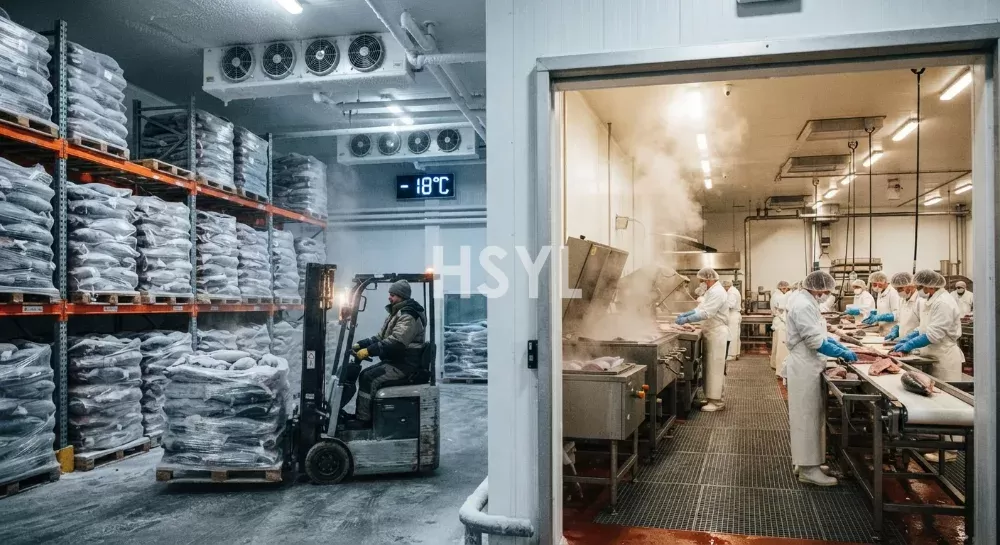
Direct AnswerThe most expensive asset in a fish cannery is not the retort or the...
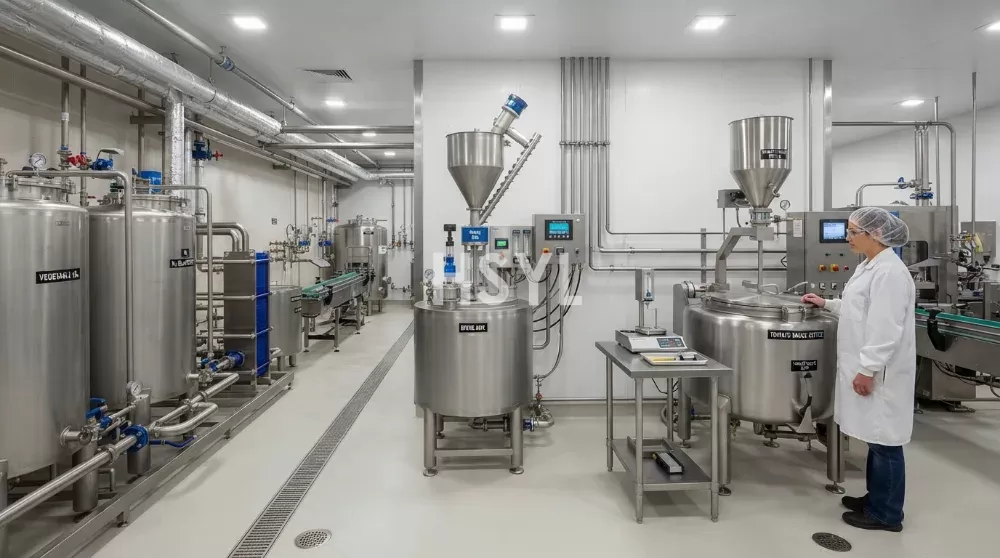
The filling medium — the liquid that fills the void spaces between the fish piec...
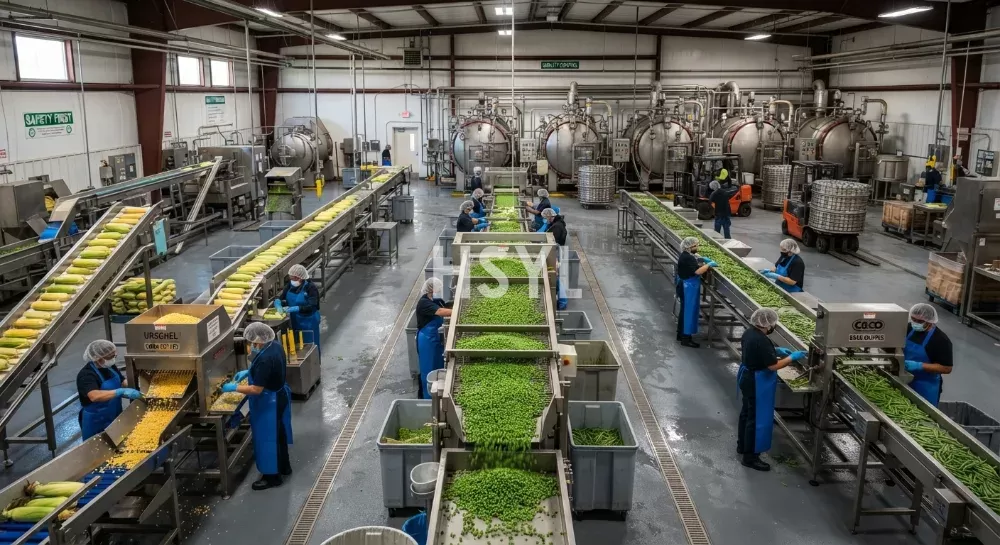
Direct AnswerA low-acid canned vegetable processing line — corn, peas, and green...