Empty-can damage can originate before the filling station. Storage, feeding, washing and transfers should therefore be reviewed as a connected handling route. A defect noticed at seaming is not proof that the seamer created it.
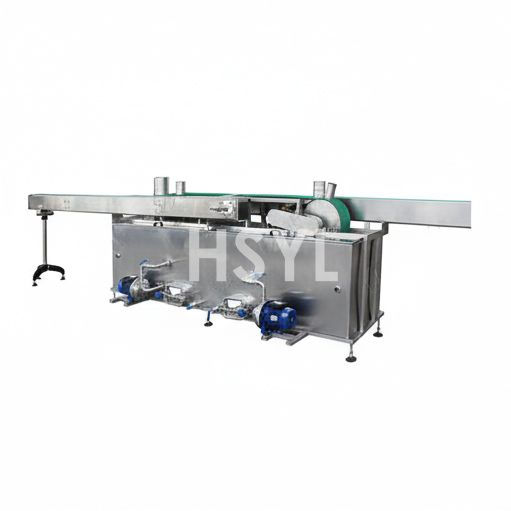
Begin with the incoming container condition and the actual packaging specification. Where a magnetic can washer is proposed, confirm container compatibility and its transfer arrangement separately from the cleaning task.
Establish an incoming reference
Inspect representative containers using the agreed packaging procedure. Identify the supplier lot, can reference and observed body, flange or other relevant condition. Retain uncertainty and transport findings rather than classifying every defect as a machine issue.
| Route point | Evidence to collect |
|---|---|
| Storage and receipt | Lot identity and initial condition |
| Feeding | Orientation, accumulation and handling observations |
| Washing or transfer | Before-and-after container condition |
| Filling handoff | Condition of containers entering the next operation |
Localize change with matched observations
Use identifiable sample groups and a consistent examination method. Compare condition across the relevant transfer instead of comparing unrelated containers at different times. Record the operating state when a defect or jam occurs.
Look at accumulation, guide contact and transitions under authorized observation procedures. Do not reach into moving equipment or change guides while operating unless the approved procedure specifically permits the task safely.
Review packaging and equipment interfaces
Container drawings and compatibility information should reach the suppliers responsible for handling and closure. The seam-defect investigation guide can help connect a downstream finding to earlier container evidence without assuming its cause.
A change in can geometry, material or supply condition may require another review even if the nominal pack size remains the same. Keep the actual packaging references in the trial record.
Close actions with evidence
Ask competent personnel to assess any proposed handling change. Retain the original and revised arrangement and repeat the relevant container assessment. Separately determine what happens to already affected containers under the approved quality procedure.
The result should identify a demonstrated handling range and remaining questions. A machine label or an undamaged photograph is not evidence that every container will travel through the complete route without damage.
Frequently Asked Questions
Does a flange defect found at the seamer identify the cause?
Can a washer trial also assess handling damage?
Related Articles



Get professional consultation
Do you have any questions or need technical support regarding the content of this article? Fill out the form below, and our expert team will provide you with professional solutions.