A code on a filled can is useful only when it leads to the production records the factory needs. Define the code fields and record relationships before selecting marking equipment. Readability and traceability are related requirements, but they are not the same test.
Use the fish canning batch-flow guide to identify material and production groups. Then define how a finished-container code connects to filling, seaming and retort records without requiring every record identifier to appear on the can itself.
Design the information relationship
List the questions a reviewer must answer from a code. These may include the product, run, material batches, closure operation and thermal processing load. Identify how split or combined production groups are represented in the records.
- Can code to run. Retrieve the intended filling and seaming records.
- Run to materials. Identify relevant ingredient and packaging lots.
- Can group to retort. Retrieve the associated process-load records.
- Production to stock. Reconcile accepted quantities and locations.
Test the physical mark
Evaluate readability at the points relevant to the factory, including after the intended complete process and handling route. Record the actual container surface and marking arrangement. Do not assume that a clear mark immediately after coding remains clear later.
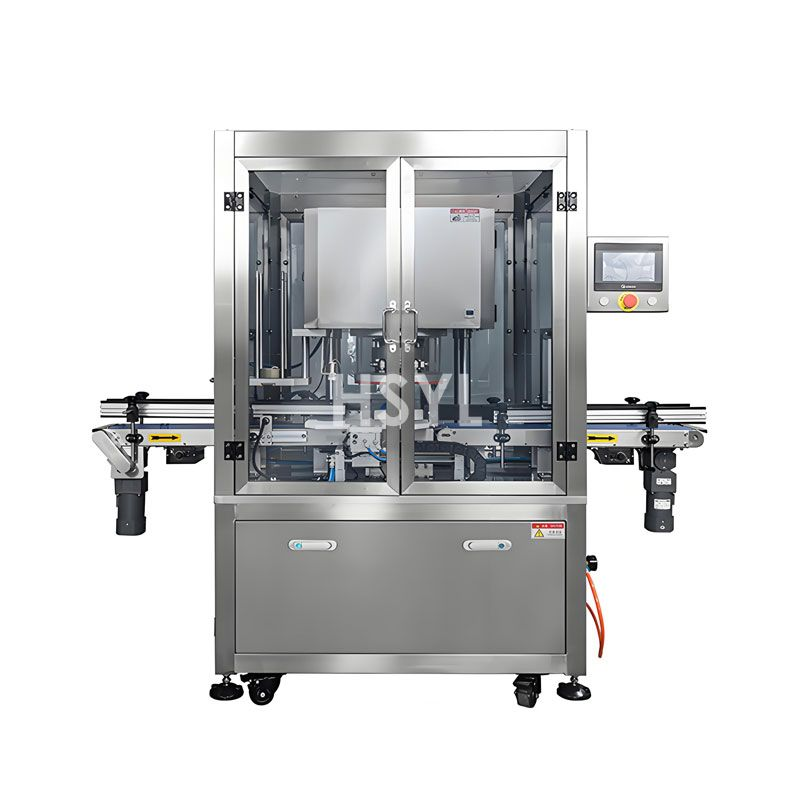
Where coding interfaces with a can seaming station, agree who supplies the transfer, signals and production information. Confirm the offered functions rather than assuming that the seamer creates or retains the traceability data.
Follow a split production group
A simple illustrative record chain can use filling group F01, seaming run S07 and retort loads R11 and R12. If F01 is split between the two loads, the records must preserve that relationship. One printed run code can be useful only if retrieval identifies the relevant container groups and their process records.
These identifiers describe an example, not an actual factory batch. The exercise is to expose a relationship that a one-run-to-one-load assumption would miss. Use the factory's approved coding and record rules for production.
Run a two-direction exercise
Select an identified finished-can group and retrieve its records. Then select a material or production record and identify the associated finished stock. Record missing links, ambiguous time boundaries and quantity differences.
The exercise should test actual retrieval, not just the existence of a form. Keep the person, record source and elapsed work visible where the factory uses these observations to improve its system.
Control changes to the code scheme
Keep current code definitions and record-field meanings accessible to authorized staff. Review changes in printers, software, time references or production grouping before they create unexplained breaks in the chain.
A successful trace exercise supports the demonstrated record relationships. It does not by itself validate the food process, establish product safety or replace the factory's wider traceability and recall arrangements.
Frequently Asked Questions
Must the full retort load identifier be printed on every can?
Why test traceability in both directions?
Can a readable code still fail the exercise?
Related Articles




Get professional consultation
Do you have any questions or need technical support regarding the content of this article? Fill out the form below, and our expert team will provide you with professional solutions.