A passing incubation test describes the examined samples under the stated test conditions. It should not be used alone to claim that every container is safe, that a thermal process is adequate or that a particular shelf life has been established.
The canned-food process and shelf-life discussion distinguishes several parts of the evidence file. Incubation results belong within that file, alongside the established process, production records, closure evidence and any investigation findings.
State the purpose of the test
Identify whether the work supports an investigation, a defined quality program or another approved purpose. Record the product, sample selection, test method and interpretation responsibility. Do not copy a generic duration and temperature into a production release rule.
| Evidence | Question it can help address |
|---|---|
| Defined incubation result | What was observed in the selected samples? |
| Production record | What conditions were recorded for the affected product? |
| Closure evidence | What packaging findings are available? |
| Qualified evaluation | What conclusion and disposition are justified? |
Keep the sample boundary visible
Record how samples relate to production runs and any event under review. Identify the number examined and retain failures or unusual observations. A convenient sample group should not be described as representative without a justified basis.
The National Academies discussion of microbiological criteria explains the limitations of relying on finished-product testing to assure canned-food safety. Interpret the result with competent process and microbiological advice.
Do not erase a process deviation with a test result
If a process event is under investigation, keep the product under its approved status until the authorized review is complete. A test result is evidence for that review, not automatic permission to disregard the event or missing records.
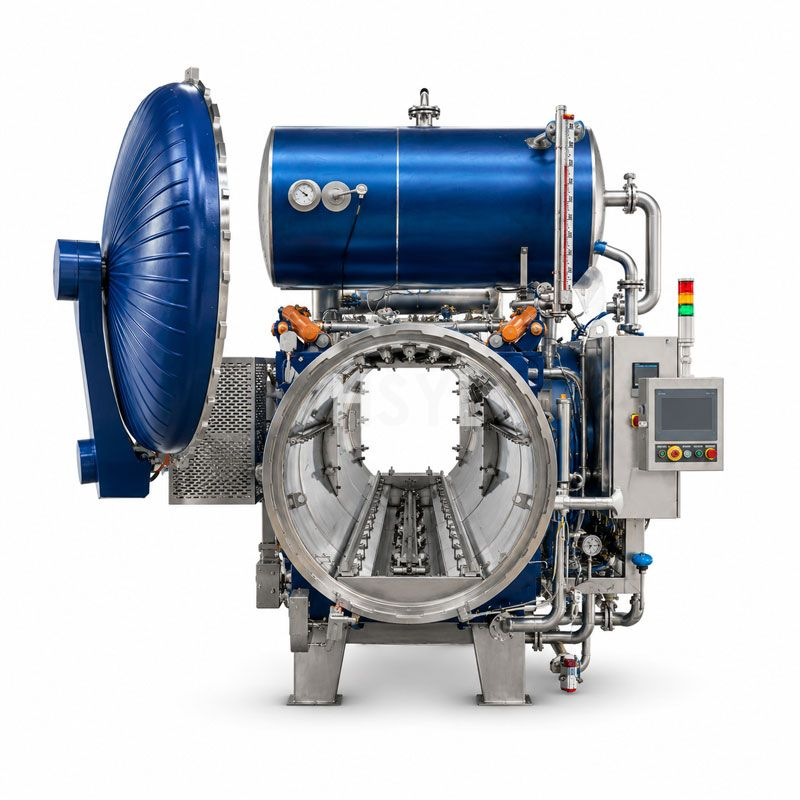
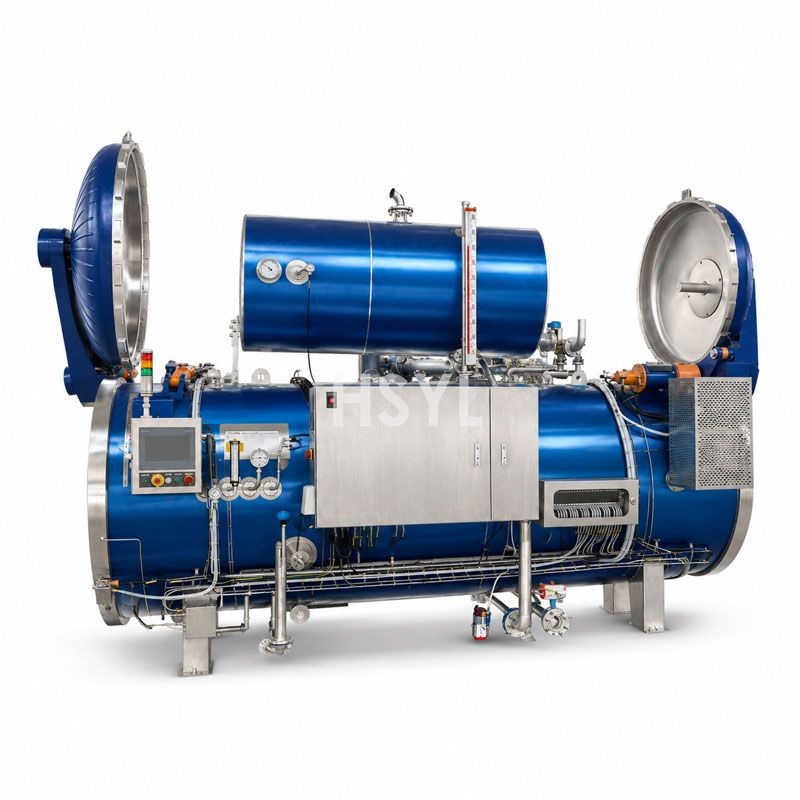
For retort-processed products, identify the actual product, pack and processing arrangement when assembling the file. Equipment acceptance and a passing sample test answer different questions from process establishment.
Write the conclusion precisely
The report should state the tested samples, conditions, observations and limits. Link the conclusion to the authorized decision record where applicable. Avoid wording such as all cans sterile or guaranteed shelf life unless the full relevant evidence and authority support that exact claim.
Any legal testing or release requirements must be assessed for the product and destination market. A general explanatory article cannot replace those requirements or the responsible specialists.
Frequently Asked Questions
Does a negative incubation result prove every can is safe?
Can incubation establish shelf life by itself?
Who should interpret an unexpected result?
Related Articles
Get professional consultation
Do you have any questions or need technical support regarding the content of this article? Fill out the form below, and our expert team will provide you with professional solutions.