Moisture before can labeling can involve retained surface water, condensation or the handling environment. Identify which condition is present before changing equipment. A label problem does not authorize a change to the approved cooling process.
Review the route from retort cooling to the actual labeling handoff. Record the product and container group so that observations at different points can be compared meaningfully.
Separate retained water from condensation
Observe where moisture first appears and whether it changes after movement or storage. Record the surface location, exposure time and relevant environmental information using suitable methods. Avoid classifying every wet can as incomplete drying without evidence.
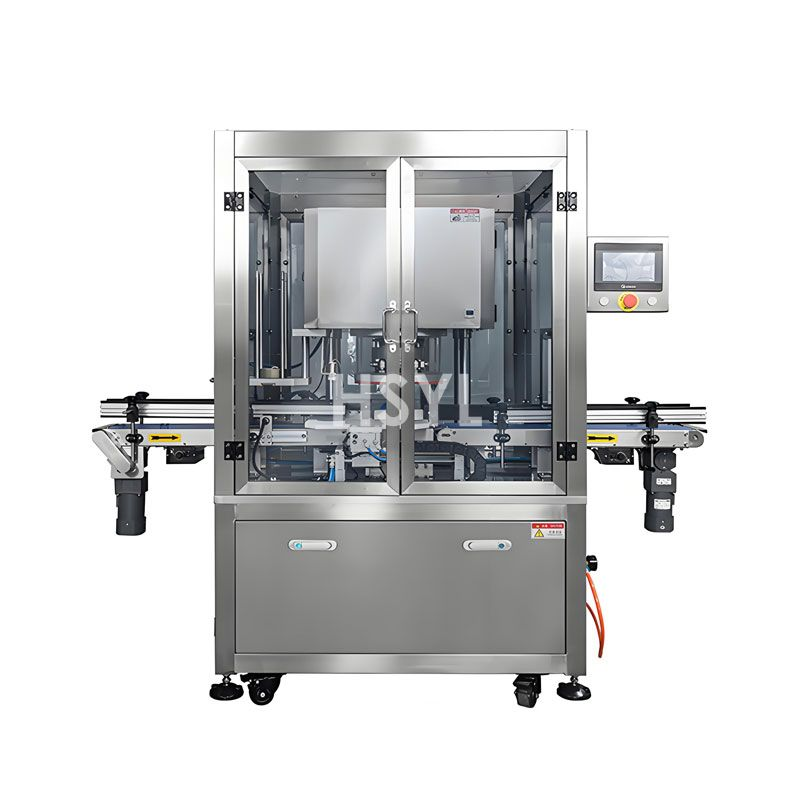
| Route point | Observation |
|---|---|
| Cooling discharge | Surface condition at the approved handoff |
| Intermediate transfer | Contact, pooling and movement |
| Room exposure | Conditions associated with new moisture |
| Labeling station | Surface state and label result |
Protect the approved cooling basis
FDA's cooling discussion describes why cooling and container condition matter in canned-food operations. Use the qualified process and equipment requirements for the actual installation; do not choose a universal discharge temperature from this article.
Where a cooling issue is suspected, route the finding to the responsible specialists. Any authorized change should be assessed for product, container and process consequences before it becomes a production setting.
Trial the label under actual handoff conditions
Use the actual can surface, label and adhesive system. Record the condition when labels are applied and the subsequent handling relevant to the acceptance check. A good result on a dry laboratory sample may not explain the production finding.
The container and headspace review provides related process context. Keep moisture, deformation and closure observations distinguishable even where they occur on the same production group.
Assign the interface responsibilities
Identify who supplies any surface-water removal equipment, receiving conveyor and labeling arrangement. Agree the expected condition at each handoff and how it will be assessed. Do not assume that a can seamer or general line offer includes downstream drying and labeling functions.
The final investigation should connect a defined moisture finding to the relevant evidence and approved response. Verify the complete route after a change rather than accepting a single improved photograph.
Frequently Asked Questions
Can hotter cans always solve condensation or label issues?
Should label trials use cans straight from production?
Related Articles




Get professional consultation
Do you have any questions or need technical support regarding the content of this article? Fill out the form below, and our expert team will provide you with professional solutions.