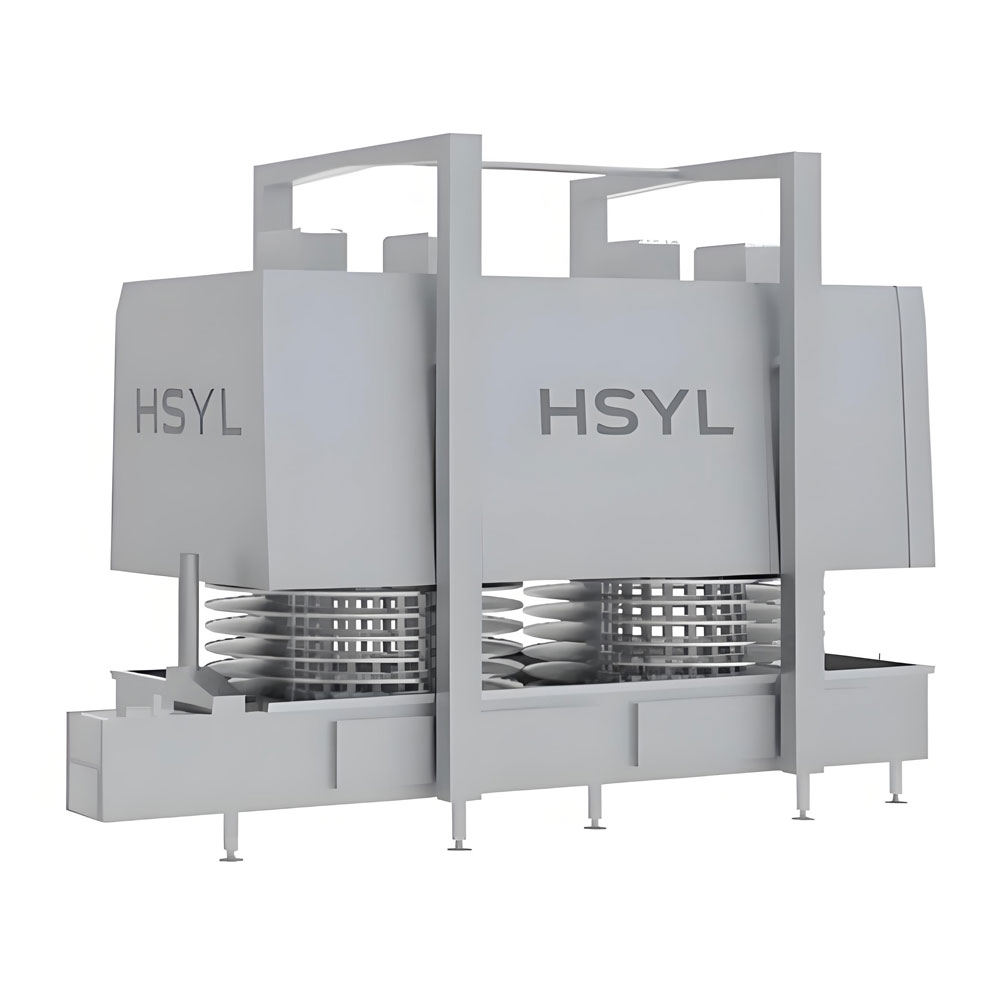
An industrial spiral oven should be selected for a defined product and heating duty. The arrangement can use vertical space for a continuous product route, but that geometry alone does not establish baking quality, capacity, cleanability or suitability for a factory.
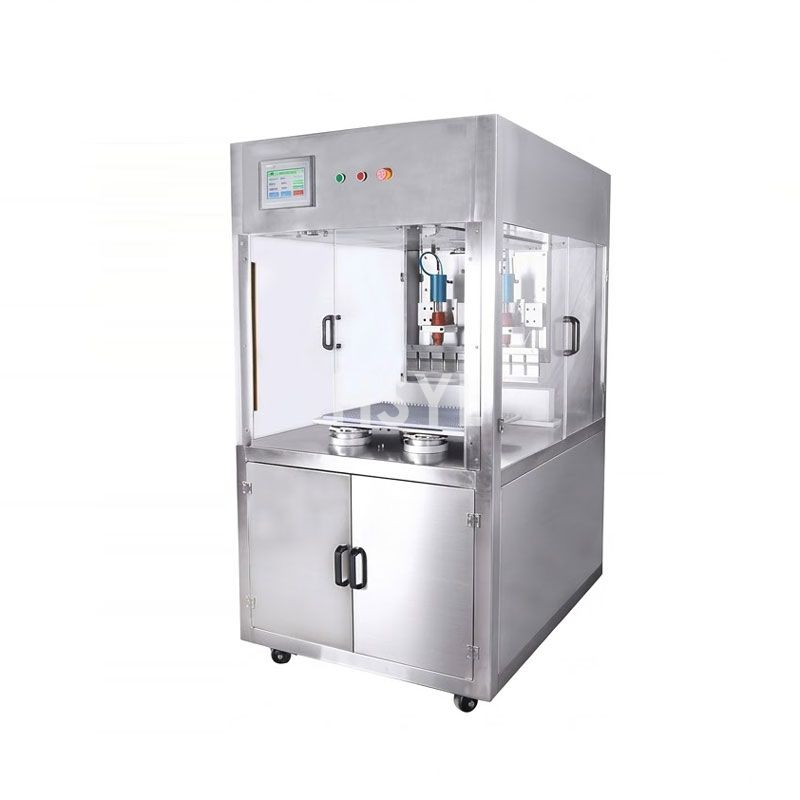
Use the HSYL spiral oven product as the starting point for a configuration enquiry. Obtain current technical confirmation for the offered machine rather than treating a website illustration as an installation drawing or performance test.
Define the product and accepted result
Record formulation, shape, dimensions, incoming condition and the quality measures needed at discharge. Where the heating operation contributes to food safety, qualified specialists must establish the appropriate process requirements. This article does not supply a universal oven temperature or residence time.
| Requirement | Evidence for selection |
|---|---|
| Product | Representative material and defined input condition |
| Heating duty | Approved product requirements and assessment methods |
| Loading | Actual spacing, support and belt arrangement |
| Output | Accepted product over a defined operating period |
| Factory fit | Equipment, access and service information |
Trial the proposed loading arrangement
Use representative product in the actual proposed configuration where practical. Record loading density, product spacing and relevant operating conditions. Compare defined quality observations across the locations and times included in the trial.
Do not infer uniform performance from one selected sample. State the tested scope and the evidence still needed for other products or production patterns.
Choose a justified trial product group
Build the trial selection from the planned product program. Products that differ in dimensions, formulation, support or incoming condition may present different questions. Ask the technical team which cases can reasonably represent others and which need separate evidence.
Avoid selecting only the easiest item because it produces the most attractive demonstration. Equally, do not assume that the largest item is automatically the worst case for every quality or heating question. Record the justification for the selected cases and the scope of the resulting conclusion.
Review the complete production route
Identify feeding, heating, discharge, cooling and receiving responsibilities. Confirm which functions are included in the offer. The cooking and baking equipment range provides related product context but does not establish that every downstream module is part of a spiral oven quotation.
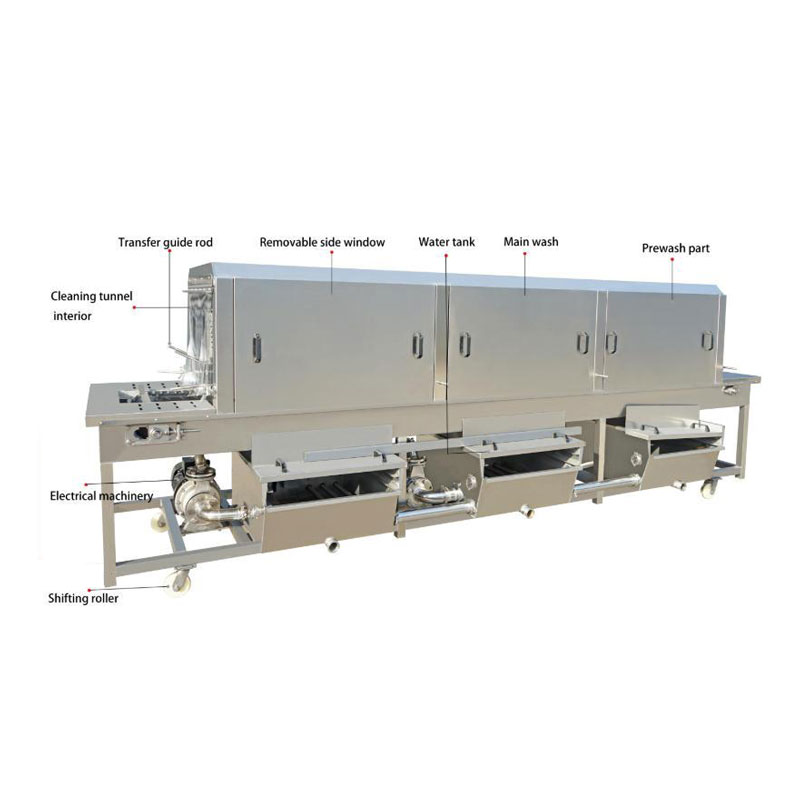
Include cleaning, safe access and format changes in the operating review. The conveyor cleaning review provides related access questions. A compact process footprint does not describe the full installation space required for those tasks.
Make the offer checkable
Request the actual model or configuration, product-duty assumptions, service schedule, trial basis and exclusions. Prices, service terms and delivery conditions should come from the written offer.
The selection result should identify the product range supported by evidence. Avoid universal energy-saving, quality or capacity claims that have not been demonstrated on the intended arrangement.
Frequently Asked Questions
Does a spiral layout guarantee a smaller complete installation?
Can one baked-product trial cover a different product family?
Are website dimensions sufficient for building coordination?
Related Articles

Get professional consultation
Do you have any questions or need technical support regarding the content of this article? Fill out the form below, and our expert team will provide you with professional solutions.