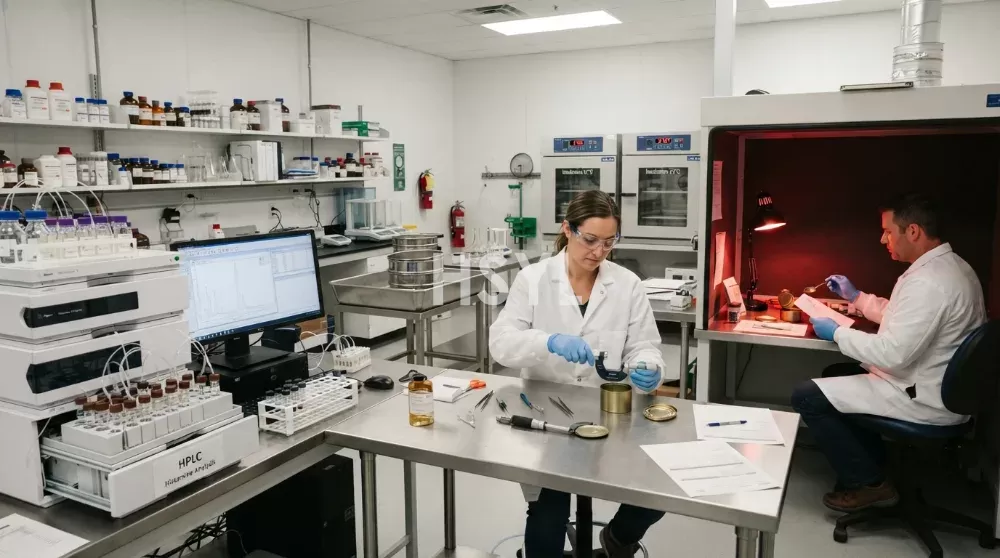
Sardine and Mackerel Canning: Small Pelagic Fish Processing Line
A sardine and mackerel canning line processes small pelagic fish — typically 10–...

Engineered for continuous frozen food production, our automatic pelmeni making machine ensures accurate dough sheeting and volumetric meat filling. Constructed from SUS304 for HACCP compliance.
Achieving consistent wrapper-to-filling ratios while processing heavy, dense meat mixtures is a primary mechanical challenge in commercial Russian dumpling production. The industrial pelmeni making machine is engineered specifically to handle low-moisture, high-gluten dough and viscous protein fillings simultaneously. Utilizing synchronized servo motors, the equipment extrudes a continuous hollow dough tube while a centralized volumetric pump injects the minced meat directly into the core. A precision rotary molding drum then pinches and seals the filled tube, stamping out perfectly formed pelmeni at high velocities.
This automated forming system eliminates the severe labor bottlenecks and yield inconsistencies associated with manual or semi-automatic prep stations. Designed to feed directly into Individual Quick Freezing (IQF) tunnels, the structural chassis is optimized for high-pressure washdown environments, securing complete biological safety across multiple daily shifts.
To match specific central kitchen throughputs, the equipment parameters reflect standardized configurations for continuous industrial operation.
| Model | Production Capacity (kg/h) | Standard Pelmeni Weight (g) | Total Power (KW) | Machine Dimensions (L×W×H mm) | Net Weight (kg) |
|---|---|---|---|---|---|
| HSYL-PM200 | 150 - 200 | 10 - 15 (Adjustable) | 2.5 | 1450 × 850 × 1600 | 420 |
| HSYL-PM500 | 400 - 500 | 10 - 15 (Adjustable) | 4.5 | 1800 × 1100 × 1750 | 680 |
| HSYL-PM800 | 700 - 800 | 10 - 15 (Adjustable) | 7.5 | 2200 × 1400 × 1850 | 950 |
Processing stiff dough formulations under high extrusion pressure frequently leads to gluten network breakdown and thermal degradation, resulting in torn wrappers during the boiling phase. We integrated several mechanical countermeasures to stabilize the physical integrity of the raw materials.
The operational reliability of the equipment relies on the independent yet synchronized control of three primary axes: dough extrusion, filling injection, and mold rotation. A central Siemens PLC processes inputs from optical encoders located on the rotary drum shaft.
As the dough is forced through the extrusion die, it forms a continuous hollow cylinder. Simultaneously, the volumetric meat pump, driven by a dedicated servo, injects a precise gram-weight of filling into the center of the descending dough tube. The PLC constantly modulates the speed of the meat pump relative to the rotational velocity of the forming drum. If the operator increases the production speed via the HMI touchscreen, the PLC automatically scales the filling injection rate to match, ensuring that the wrapper-to-filling ratio (typically 45:55 or 50:50) remains perfectly stable without manual recalibration. The forming drum then captures the filled tube, its Teflon-coated cavities pinching the dough together to seal the edges securely, ejecting the finished pelmeni onto the outfeed conveyor.
In high-volume frozen food plants, the forming machine acts as the primary synchronization node between ingredient prep and the freezing line. When running the HSYL-PM800 model at full capacity, the outfeed conveyor interfaces directly with the loading belt of a spiral IQF freezer. The equipment easily handles semi-frozen minced meat mixtures (typically at -2°C to 0°C), which is crucial for preventing fat smearing and maintaining a distinct meat bite inside the cooked dumpling.
Additionally, the independent variable speed control of the flour dusting mechanism ensures that just enough dry flour is applied to prevent the pelmeni from adhering to the conveyor belt, without coating the product so heavily that it contaminates the downstream freezer coils or frying oil.
Industrial reliability is grounded in verifiable manufacturing standards. The chassis and all product-contact components are fabricated using certified SUS304/SUS316L metallurgy. The electrical cabinet carries an IP65 ingress protection rating, utilizing waterproof Omron switches and Schneider contactors to withstand the high-humidity, low-temperature environments typical of frozen food production floors. We conduct rigorous Factory Acceptance Testing (FAT) using the client's specific flour and meat ratios to validate sealing strength and extrusion temperatures before export.


A sardine and mackerel canning line processes small pelagic fish — typically 10–...
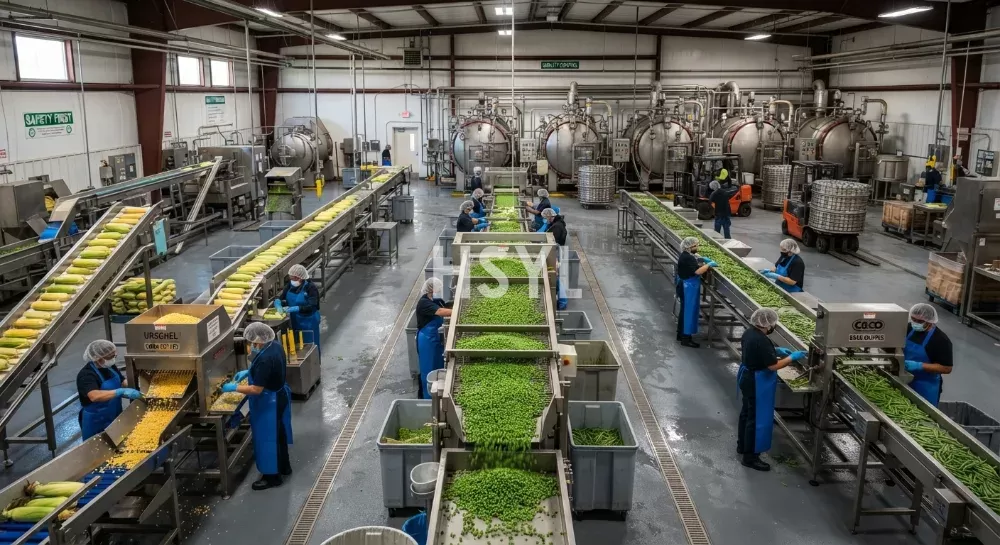
Direct AnswerA low-acid canned vegetable processing line — corn, peas, and green...
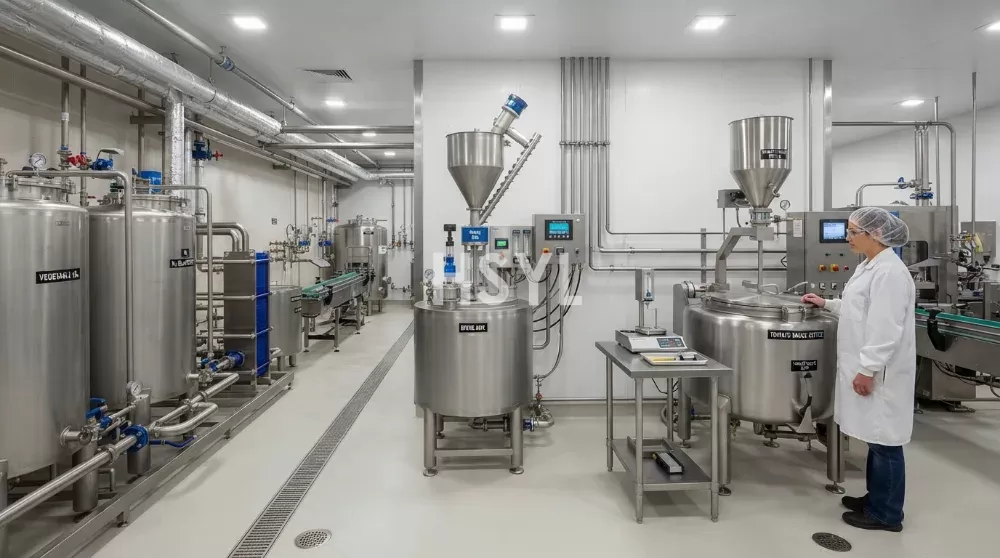
The filling medium — the liquid that fills the void spaces between the fish piec...
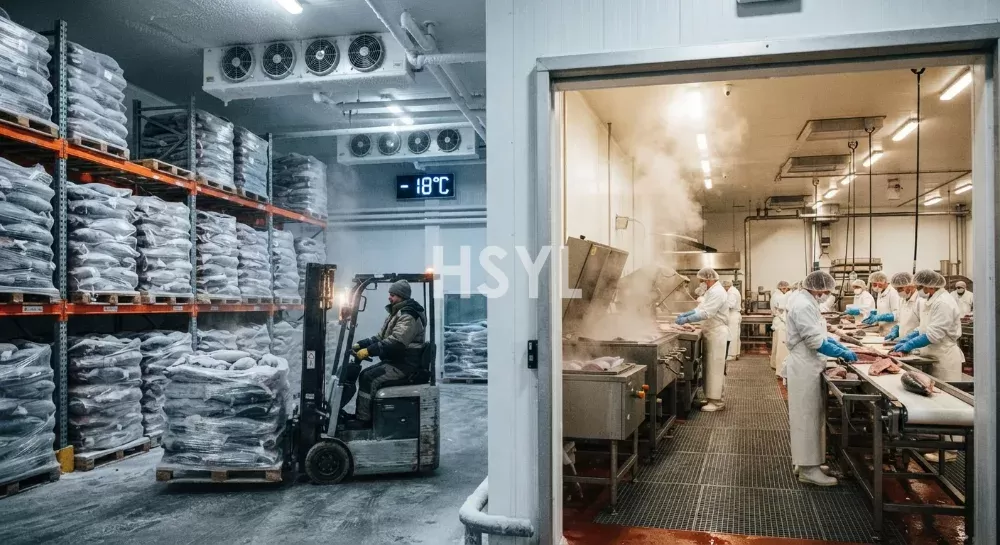
Direct AnswerThe most expensive asset in a fish cannery is not the retort or the...