Fruit canning equipment and packaging suppliers need the same container basis. A nominal size or a sample can without an identified end can leave filling, tooling and closure questions unresolved.
Create a controlled handoff of can and end information. The objective is to connect the actual packaging components with the equipment and product review, rather than infer compatibility from appearance.
Identify both components
Obtain the relevant supplier references and current drawings for the can and end. Identify the intended material and construction information required by the product and equipment reviewers.
Retain physical sample identity alongside the documentation. A sample supplied before a drawing revision should not silently become evidence for the later format.
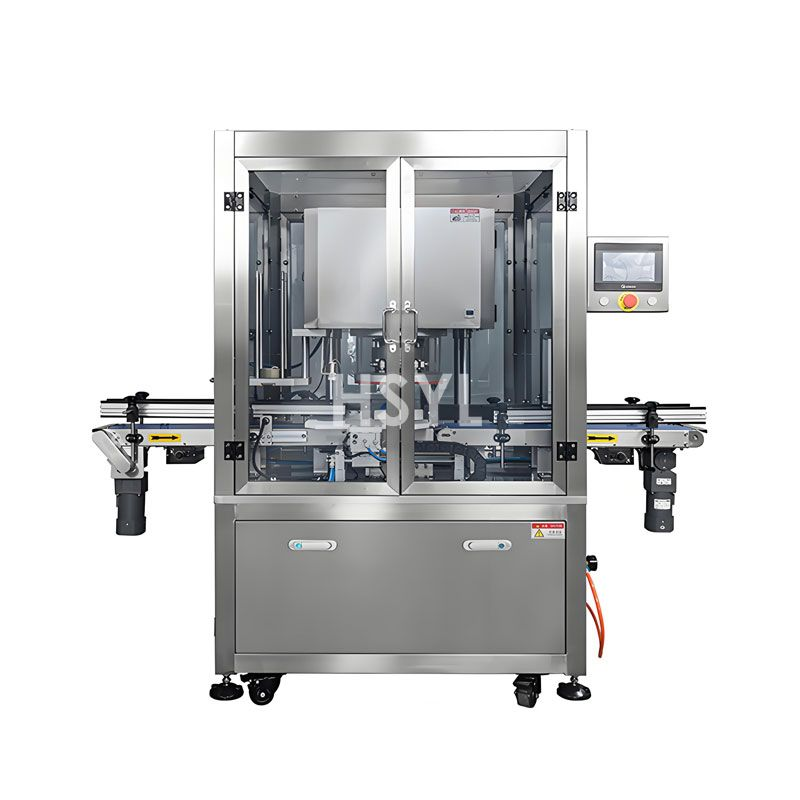
Ask who confirms each relationship
| Relationship | Review responsibility to establish |
|---|---|
| Can and end combination | Packaging supplier's applicable compatibility and specifications |
| Product and container | Qualified assessment of the actual formulation and intended use |
| Container and filler | Feed, filling and transfer configuration |
| Container and seamer | Tooling, setup basis and required closure examination |
| Container and load arrangement | Applicable equipment and qualified process review |
No single machine photograph or catalogue dimension closes every relationship in the table.
Keep the fruit pack specification connected
Describe the intended fruit form, filling medium and assessment basis. Those inputs let reviewers understand the actual pack rather than an empty-container geometry alone.
Use the canned fruit line guide and fruit equipment discussion to identify the product route. The can seamer review should receive the same packaging revisions used by the filling and process teams.
Control a format or supplier change
When a component or drawing changes, identify the affected products, equipment configurations and prior evidence. Ask the responsible owners which checks or trials need review. Do not assume that a similarly sized replacement has identical compatibility.
The double seam inspection guide explains why the applicable container specifications matter. It should not be used as a source of generic setup values for a new can-end combination.
Before the changed format enters production, retain the authorized decision and current document references. The packaging handoff is complete when the project can identify the components being used, the evidence supporting their application and the people responsible for unresolved questions.
Frequently Asked Questions
Is nominal can diameter enough for seamer selection?
Can a sample replace a controlled drawing?
Should a new packaging supplier trigger review?
Related Articles

Get professional consultation
Do you have any questions or need technical support regarding the content of this article? Fill out the form below, and our expert team will provide you with professional solutions.