A canning line utility review needs more than a list of connection sizes. The site team must understand the conditions required at each machine and how demands change during production, cleaning and batch operations.
Use an interface schedule to connect equipment information with the site's infrastructure design. The schedule should identify the machine, service, connection point, required conditions, demand basis and responsible party.
Gather service information by operating mode
Ask for production, standby, start-up and cleaning requirements where applicable. State whether a quoted demand is average, peak or a connected rating. These values answer different questions and should not be substituted for one another.
| Service | Questions for the interface schedule |
|---|---|
| Steam | Required supply condition, demand pattern, isolation, condensate return and responsibility boundary |
| Water | Intended use, quality requirements, pressure conditions, demand cycle and drainage destination |
| Electrical power | Supply compatibility, connected loads, protection and control-panel connection responsibilities |
| Compressed air | Required condition, pressure range, use points and treatment responsibility |
| Drainage | Discharge location, nature of effluent, cleaning flows and local treatment requirements |
Project engineers must confirm the actual values. A generic checklist cannot specify a safe steam pressure, cable size or drain capacity for an unknown installation.
Review simultaneous demand
A batch retort and a continuously operating filler do not necessarily demand services in the same pattern. Ask when each machine draws its highest load and whether cleaning or another batch operation overlaps. Use that operating sequence in the infrastructure review.
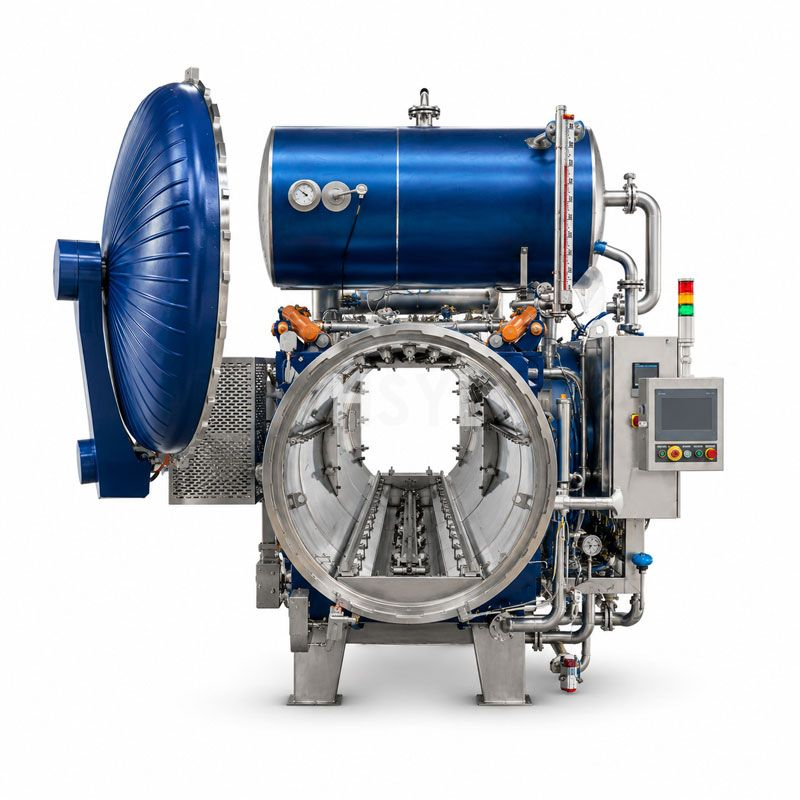
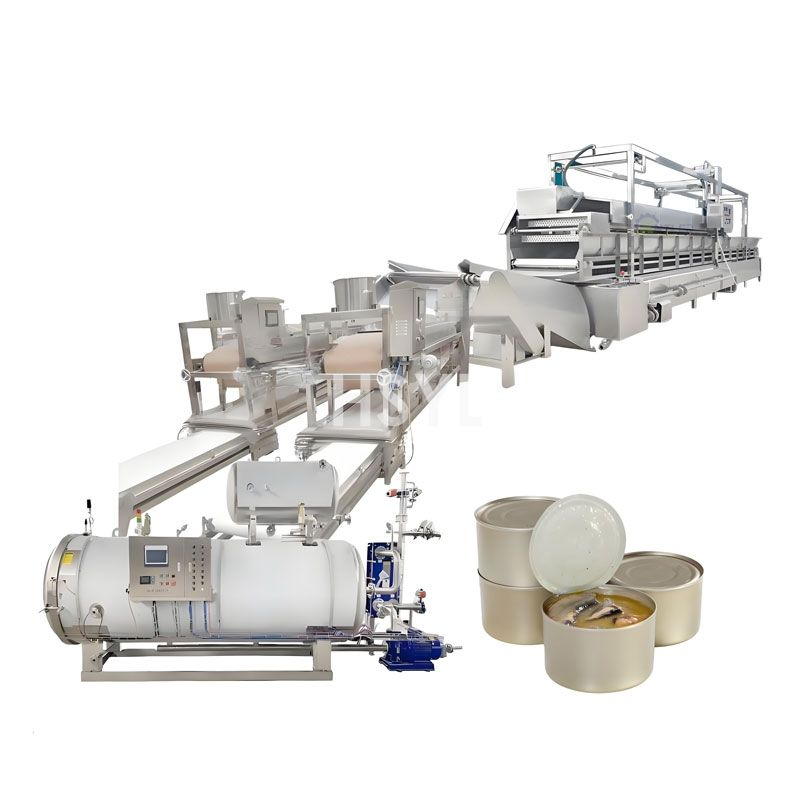
The retort sterilizer and CIP cleaning equipment discussions should therefore include timing and interfaces, not just nameplate ratings. A supplier's machine data remains an input to the utility engineer's design.
Mark the physical boundary
Show connection points on a coordinated layout. Identify who provides valves, flexible connections, cable routes, supports and local isolation. Confirm access for inspection and maintenance before routing services around the machine.
Record the handover condition for each service. “Available on site” is incomplete if pressure, quality, connection location or commissioning status has not been established.
Close the review before installation
Issue the final equipment interface schedule to the building and utility contractors. Record design changes against the same machine identifiers used in drawings and manuals. During commissioning, verify the installed conditions against the approved requirements and retain the results.
Use the food factory planning guide to coordinate layout decisions and the project budget guide to capture utility work outside the equipment order. This keeps the purchase scope and the site preparation programme aligned.
Frequently Asked Questions
Can I size a boiler from the sum of average demands?
Does every machine need every service?
Who verifies water quality?
Should utility data include cleaning operation?
Related Articles


Get professional consultation
Do you have any questions or need technical support regarding the content of this article? Fill out the form below, and our expert team will provide you with professional solutions.