An interface register describes the point where one equipment package depends on another. It is especially useful when the buyer, separate machine suppliers and site contractors share responsibility for a canning line.
A register should identify the handoff precisely enough to review and test it. “Connect the machines” leaves product condition, geometry, control behaviour and acceptance unresolved.
Identify both sides of the handoff
Give the interface a reference and name the supplying and receiving modules. State what crosses it: product, containers, baskets, a service or a control signal. Link the current drawings and specification revisions.
Describe the received condition as well as the delivered quantity. A preparation stage supplying irregular material can create a problem at a filler even if its average output appears adequate.
Review four connected layers
Product and physical arrangement
Define the material or container state, direction of travel and relevant transfer geometry. Use approved dimensions and the supplier's actual machine information. Include access for operation, cleaning and component removal around the connection.
Controls and services
Identify which system issues and receives the agreed signals, how an interruption is communicated and who owns the sequence. Utility connections need required conditions, a physical boundary and a responsible installer. These matters require competent design; the register records the decisions rather than prescribing wiring or safety logic.
| Register field | Purpose |
|---|---|
| Interface identifier | Provides a stable reference across drawings and actions |
| Supplying and receiving owner | Makes responsibility on both sides visible |
| Approved basis | Links geometry, product conditions and relevant requirements |
| Evidence needed | Defines inspection, demonstration or trial work |
| Open issue and closure | Identifies the action, owner and acceptance reference |
Test a real connection, not two isolated machines
An individual demonstration can leave integration unanswered. Review how the transfer behaves during normal supply, a downstream stop and the authorized restart sequence. Use representative containers or product where the interface depends on them.
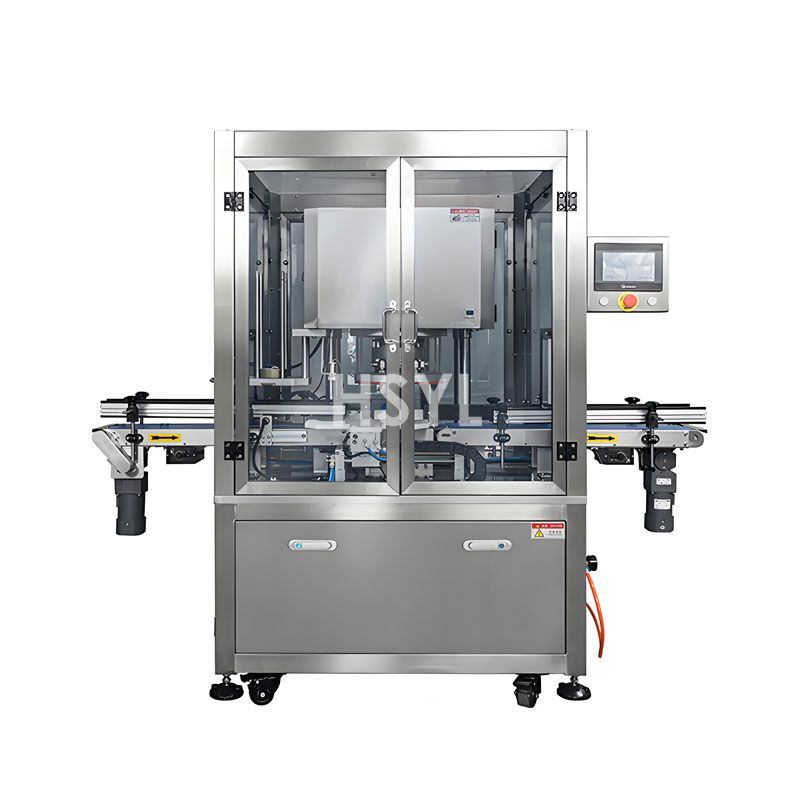
The filling equipment and closing equipment illustrate a connected container handoff. Record product position and container condition alongside the transfer behaviour; mechanical movement alone does not establish the complete pack result.
Close the interface against retained evidence
Record the accepted drawing or trial reference and any restrictions. If one module changes, review the affected interfaces rather than assuming the other equipment remains suitable.
Use the fish line layout guide for physical routing and the factory planning guide for building coordination. The interface register complements those documents by explaining who must provide what at each connection within the canning line.
Frequently Asked Questions
Is an interface register necessary for a single supplier?
Does a drawing alone close an interface?
Related Articles




Get professional consultation
Do you have any questions or need technical support regarding the content of this article? Fill out the form below, and our expert team will provide you with professional solutions.