A staged canning project needs a defined first installation and a credible later change. Buying equipment described as modular does not establish that an expansion will fit the building, utilities, controls or future product range.
Write the expansion as a separate engineering work package. It should explain what is retained, what changes and what must be verified again.
State the future task without pretending it is confirmed demand
Describe the proposed products, containers and operating need for each stage. Distinguish a committed requirement from a future option. That distinction matters when deciding how much infrastructure or interface preparation to purchase now.
The initial canning line scope should still suit the first-stage operation. A costly future provision has value only when its compatibility and business basis have been reviewed.
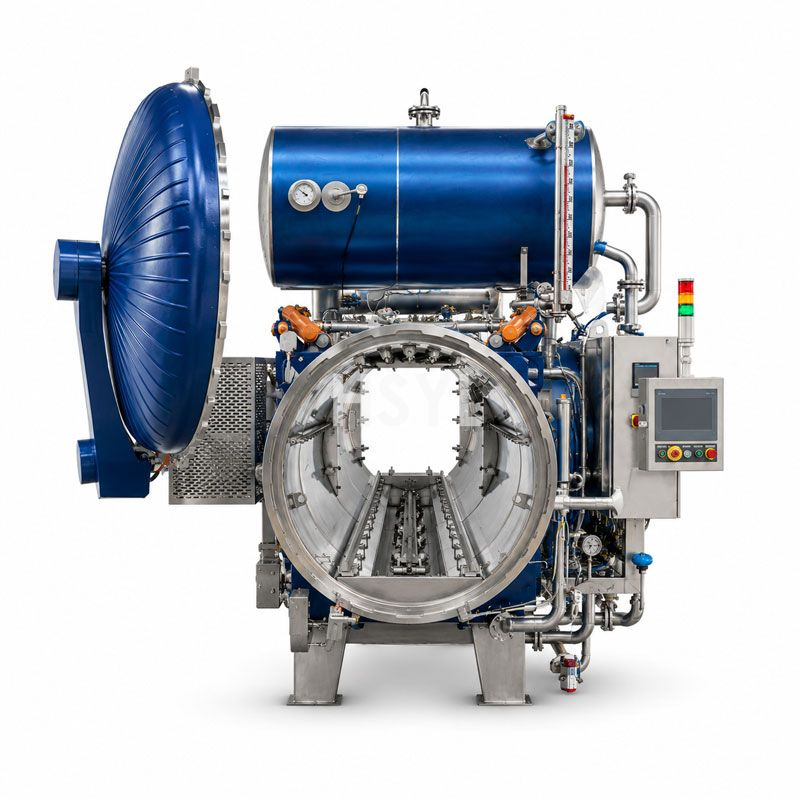
Separate the work into three packages
| Expansion package | Questions to settle |
|---|---|
| Retained equipment | Which approved product and format conditions remain within scope? |
| Modified interfaces | Which transfers, controls, services, guards or drawings need changes? |
| Added equipment | What new functions are introduced and how are they accepted? |
Ask suppliers to identify the evidence behind future compatibility. A statement that another machine can be added later needs an actual review of connection points and the work required.
Review the site as well as the machine list
Reserve space using working envelopes, not only footprints. Consider delivery routes, installation access, maintenance and the production work that continues during the upgrade. Competent site professionals must review structural and utility questions.
If the expansion changes batch handling, review the retort system and basket movement together. Adding a faster upstream machine can expose a different constraint rather than increase accepted finished output.
Establish the next acceptance boundary
Define which inspections and representative trials follow the upgrade. Revisit product-process and cleaning responsibilities where configuration or products change. Earlier acceptance evidence should remain traceable, with its applicability to the new stage explicitly assessed.
The automation-level guide addresses the initial operating choice. The bottleneck guide helps an existing plant identify what actually constrains output. Use those inputs to scope the upgrade rather than equating a larger machine with a larger usable factory capacity.
Keep options reviewable
Retain a stage drawing, interface list and commercial boundary for the future work. Recheck them when the selected product or site basis changes. The roadmap should support a later decision with evidence, not bind the buyer to an undefined upgrade promise.
Frequently Asked Questions
Can I reserve only extra floor area?
Does a future-ready label guarantee compatibility?
Should expansion be accepted as a completely new line?
Related Articles


Get professional consultation
Do you have any questions or need technical support regarding the content of this article? Fill out the form below, and our expert team will provide you with professional solutions.