An equipment enquiry can change after suppliers have begun preparing their offers. A different can, an added recipe or a new site restriction may affect several modules. If each supplier receives a different version, the resulting prices no longer describe the same project.
Control those changes through one revision process. The aim is to preserve a clear relationship between the requested product, the proposed equipment and the commercial offer being evaluated.
Give each change an identifiable basis
State the previous requirement, the replacement requirement and the reason for the change. Attach the revised drawing or specification instead of relying on a sentence in a message. Identify which earlier document it supersedes.
Keep a register with the change reference, issue date, affected documents and recipients. A file named final is not enough to establish the current issue when several different final files circulate.
Request an impact response
Ask the supplier to review the change across the whole proposed route. A container revision can affect handling, filling, closing and basket arrangements. The absence of a price change does not establish that every technical effect has been considered.
| Supplier response | What it should explain |
|---|---|
| Equipment scope | Added, removed or modified functions and components |
| Interfaces | Effects on adjacent machines, services or layout |
| Evidence | Trials, drawings or qualified reviews still required |
| Commercial effect | Explicit revision of price, delivery or other contracted terms where applicable |
| Open questions | Missing inputs and the person responsible for resolving them |
Do not interpret silence as acceptance. Obtain an identifiable response against the actual change reference.
Reconcile offers before ranking them
The equipment quotation comparison works only when the underlying basis is aligned. Check that every offer references the current product and container documents. Separate optional alternatives from the common base scope.
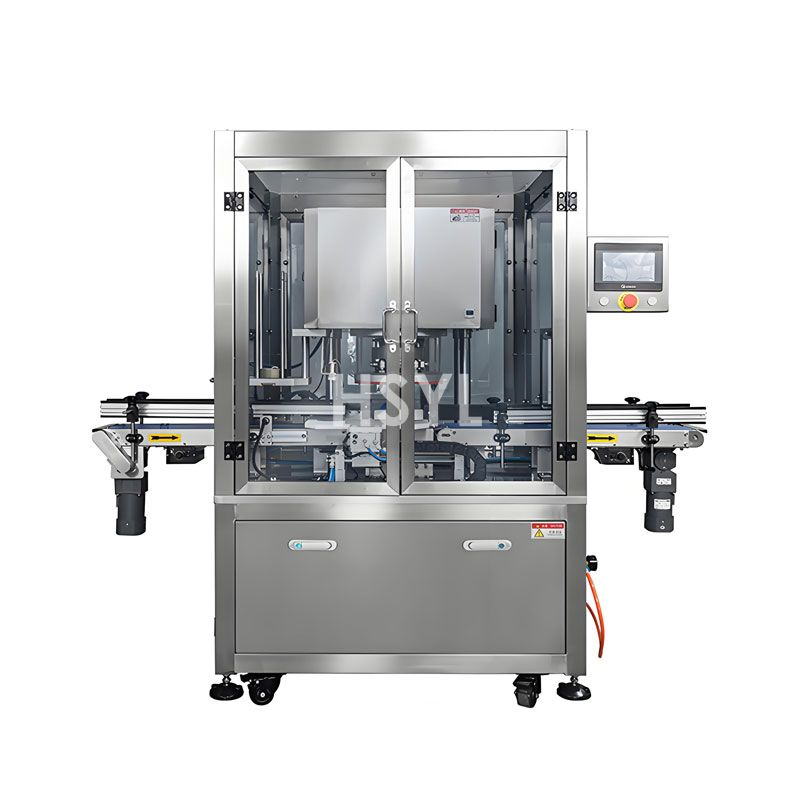
For example, a can seamer enquiry needs the correct can-end combination and tooling basis. A revised can drawing should reach the closing-equipment review even if the original change began with the product team.
Release one current project basis
After the authorized review, record the accepted revision and remaining conditions. Keep superseded material controlled for traceability, while making the current issue unambiguous to purchasing, engineering and production.
If a change affects food formulation, processing or cleaning, route it to the corresponding qualified owners rather than treating it as a commercial edit alone. The turnkey responsibility guide helps allocate those boundaries within a canning line project.
The completed register should let a reviewer explain why the current proposal differs from the previous one and which evidence supports accepting the change.
Frequently Asked Questions
Does every change require a new quotation?
Can a supplier's informal message update the specification?
Should all bidders receive the same change?
Can purchasing approve a recipe change alone?
Related Articles



Get professional consultation
Do you have any questions or need technical support regarding the content of this article? Fill out the form below, and our expert team will provide you with professional solutions.