
“Complete wet pet food canning line” can describe different supply boundaries. One quotation may begin with prepared product at the filler; another may include product preparation, can supply and downstream handling. Compare the listed sections and interfaces before comparing prices.
A scope sheet is useful when it marks every operation as included, excluded, existing at the factory or still undecided.
Use the process boundary as the first question
Ask the supplier to state where the proposed line begins and ends. If it begins at the filling section, identify who provides the product, how it is transferred and what condition it must be in. If preparation is included, list the specific receiving, size-reduction, mixing, cooking or holding duties in the offer.
Review the sections and handoffs
| Section | What to confirm in writing |
|---|---|
| Empty-can supply | Loading arrangement, can transfer and interface to filling. |
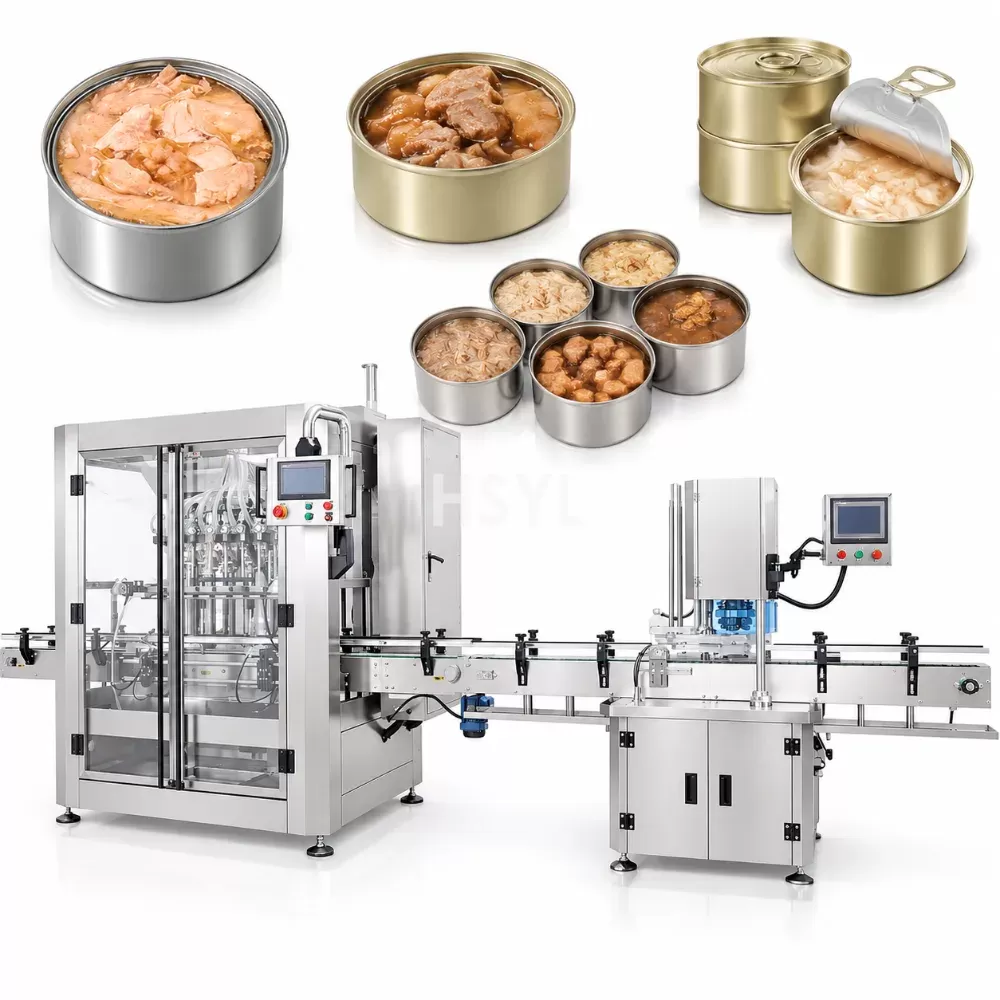
| Product filling | Product condition, filler basis, transfer and fill checks. |
| Closing and washing | Can and end compatibility, seaming scope, inspection and washing. |
| Basket handling | Loading, movement, unloading and coordination with batch operations. |
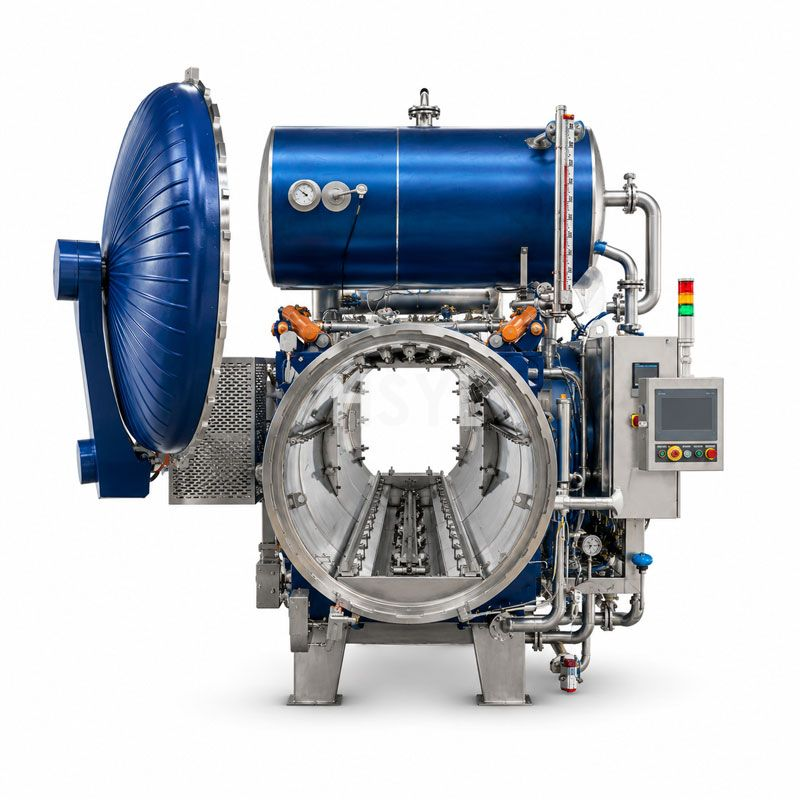
| Thermal processing | Equipment interface and the owner of product-specific process qualification. |
| Finished handling | Drying, coding, inspection, packing or pallet handling, if required. |
Then identify the connecting conveyors, controls, guarding, utilities and site work between the named machines. A list of equipment names without these connections can leave gaps at commissioning.
A practical scope schedule uses the same row for the equipment, its incoming material, its outgoing material, the connection to the next section and the party responsible for supplying that connection. Add a document reference or drawing revision to each confirmed interface. This exposes gaps such as a transfer route with no owner or an existing machine whose dimensions have not been checked against the new layout.
Where the process depends on an unfinished recipe, can or site drawing, list the assumption and the decision owner. Keep it visible until the needed evidence is available.
Separate equipment supply from product responsibilities
State who supplies the recipe, representative product, can drawings, operating data and acceptance criteria. Assign responsibility for process development and regulatory review to the appropriate food-business and qualified personnel. Equipment selection alone does not establish a finished product's process or market compliance.
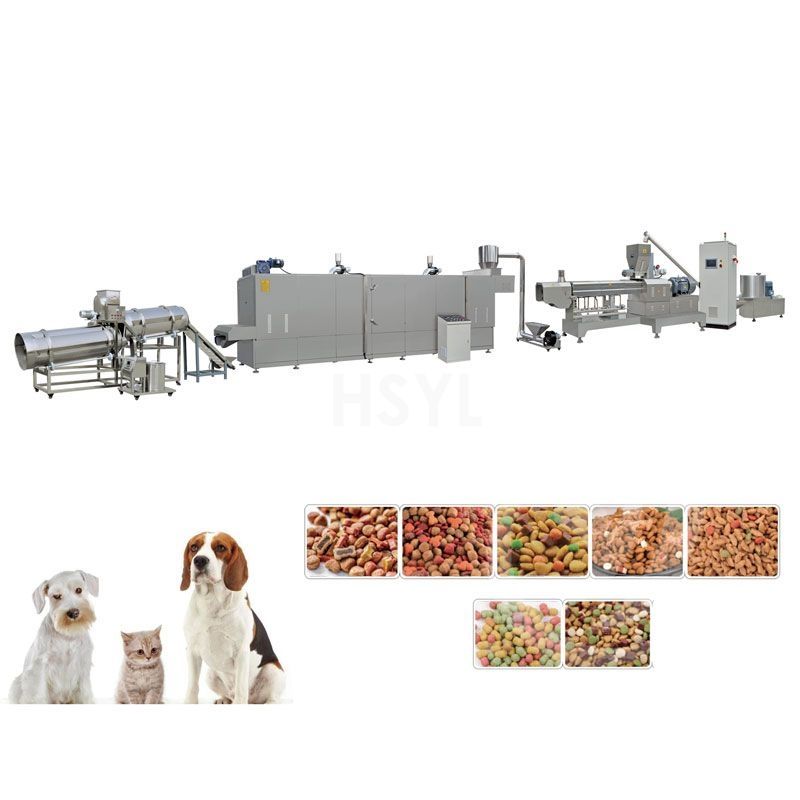
The current HSYL wet pet food line page separates preparation from filling and calls out downstream interfaces. Use it as a starting point for a project-specific scope; then send the scope questions to HSYL.
Compare offers on the same boundary
- Put the same process start and end points in each request.
- Use identical product and container information.
- List excluded work and factory-supplied items explicitly.
- Record the trial, acceptance and documentation commitments.
- Keep open technical decisions visible in the offer review.
This method helps a buyer distinguish a difference in equipment price from a difference in what is actually supplied.
Frequently Asked Questions
Does a wet pet food canning line include grinding and mixing?
Which downstream stages should appear in a line scope?
Does a complete equipment line establish the product's thermal process?
Explore More Articles

Get professional consultation
Do you have any questions or need technical support regarding the content of this article? Fill out the form below, and our expert team will provide you with professional solutions.