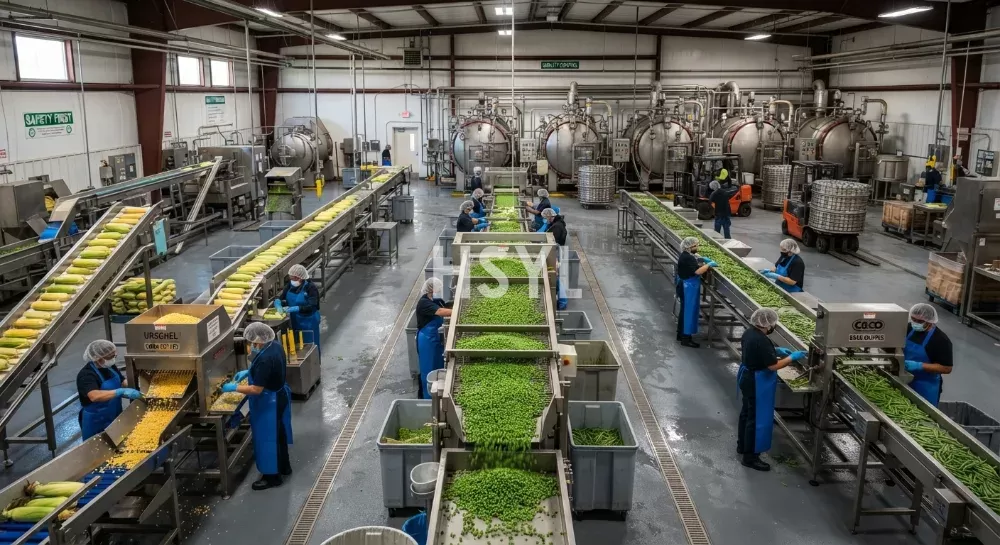
Low-Acid Canned Vegetables: Corn, Peas and Green Beans Processing Line
Low-acid canned vegetable processing line for corn, peas, and green beans. Press...

Turnkey core-filled puffed snack processing line engineered for 250 kg/h output. Features twin-screw co-extrusion, precise cream injection, and SUS304 construction.
Manufacturing center-filled snacks such as chocolate pillows or cheese tubes introduces complex rheological challenges. The primary mode of failure in standard extrusion operations is core leakage, where inconsistent pressure causes the filling to breach the outer cereal shell prior to the cutting phase. This Turnkey Core Filled Puffed Snack Processing Line resolves structural inconsistencies by employing a synchronized twin-screw co-extrusion mechanism. By matching the volumetric displacement of the cereal matrix with the injection pressure of the core filling pump, the system ensures a perfectly centered, fully sealed product. Designed for continuous shift operations, this line automates the entire sequence from raw flour mixing and high-temperature extrusion to core injection, shaping, multi-pass baking, and localized flavor coating.
| System Component | Standard Engineering Specification |
|---|---|
| Standard Plant Configuration | TSE-70 (Twin-Screw Extruder series) |
| Nominal Production Capacity | 200 - 250 kg/h |
| Main Extruder Motor Power | 37 kW (Siemens or equivalent AC motor) |
| Core Filler Drive Power | 1.5 kW (with independent thermal jacket) |
| Screw Diameter & L/D Ratio | 70 mm / Custom configurable profile |
| Total Line Installed Power | Approx. 85 kW (Electrical heating variant) |
| Drying System | 5-Layer Continuous Mesh Belt Oven (5 meters) |
| Total Layout Footprint | 18000 mm x 1500 mm x 2200 mm |
Relying on gravity-fed filling mechanisms inevitably leads to uneven product weight and compromised shelf life. We engineered this co-extrusion line to target the precise friction points that facility managers face when running complex multi-texture snack profiles.
When operating a fully automated dry food facility, downstream moisture control is just as critical as the primary extrusion phase. Similar to the rigorous thermodynamic standards applied in our pet food processing line, the filled snacks must pass through a multi-pass convective drying oven to reduce residual moisture below 4%. This crucial step prevents the outer shell from absorbing water from the internal cream, guaranteeing a lasting crispy texture during ambient storage.
The mechanical core of this plant relies on co-rotating twin screws constructed from high-hardness nitrided steel (38CrMoAlA). Unlike single-screw systems that suffer from material slip and uneven shear, the intermeshing profile of the twin screws guarantees self-wiping action. This forces a positive displacement of the raw corn or rice flour matrix, generating the intense mechanical shear and internal friction necessary to fully cook the starches.
A forced lubrication cooling system protects the heavy-duty distribution gearbox. By continuously circulating filtered oil over the thrust bearings, the transmission safely absorbs the massive axial loads generated by 37 kW of torque pushing the dough through the restrictive die nozzles. The entire kinematics system is monitored via the central Siemens PLC, which will autonomously trigger an emergency shutdown sequence if abnormal torque spikes are detected.
Integrating this line into a 250 kg/h central facility requires precise upstream and downstream synchronization. The process begins with a continuous ribbon blender and pneumatic vacuum conveyors, which feed the raw grain powder into the extruder's volumetric dosing hopper without generating airborne dust.
After the snacks are extruded, shaped, and dried, they enter the automated flavoring matrix. A continuously rotating SUS304 seasoning drum receives the baked snacks while a synchronized dual-nozzle system sprays a mist of atomized oil and dry flavoring powder. The octagonal or cylindrical geometry of the drum ensures that every individual piece receives a uniform microscopic coating of seasoning before entering the final cooling conveyor.
Food processing equipment must be manufactured with absolute metallurgical integrity to pass international safety audits. All structural framing is fully enclosed, and electrical panels utilize CE-certified contactors, overload relays, and shielded cabling to withstand rigorous facility sanitation protocols. We mandate comprehensive Factory Acceptance Testing (FAT) prior to shipment, establishing baseline vibration, thermal, and throughput data. Furthermore, our international engineering division executes complete on-site Turnkey Installation and Commissioning (I&C), ensuring the production line meets specified HACCP and local GMP output parameters from the first commercial batch.


Low-acid canned vegetable processing line for corn, peas, and green beans. Press...
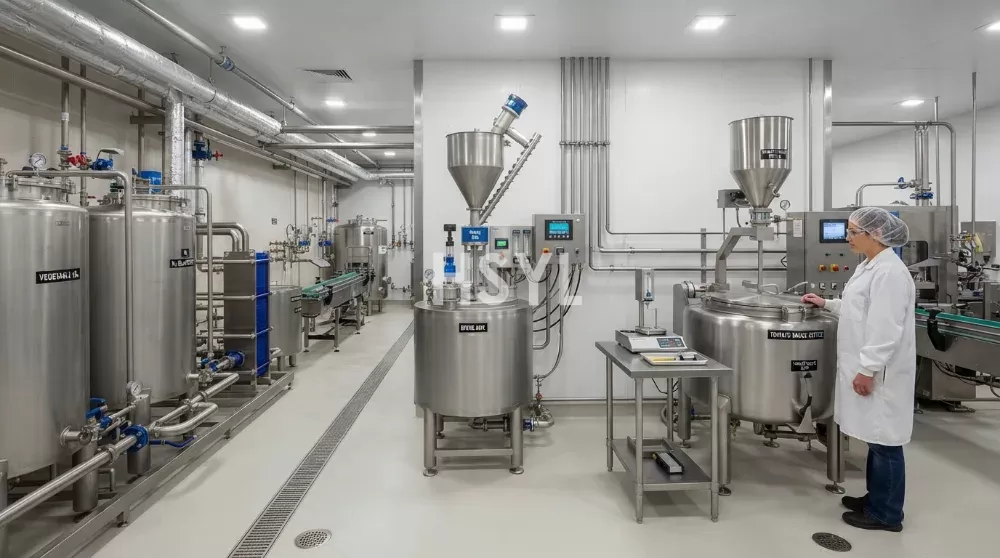
The filling medium — the liquid that fills the void spaces between the fish piec...
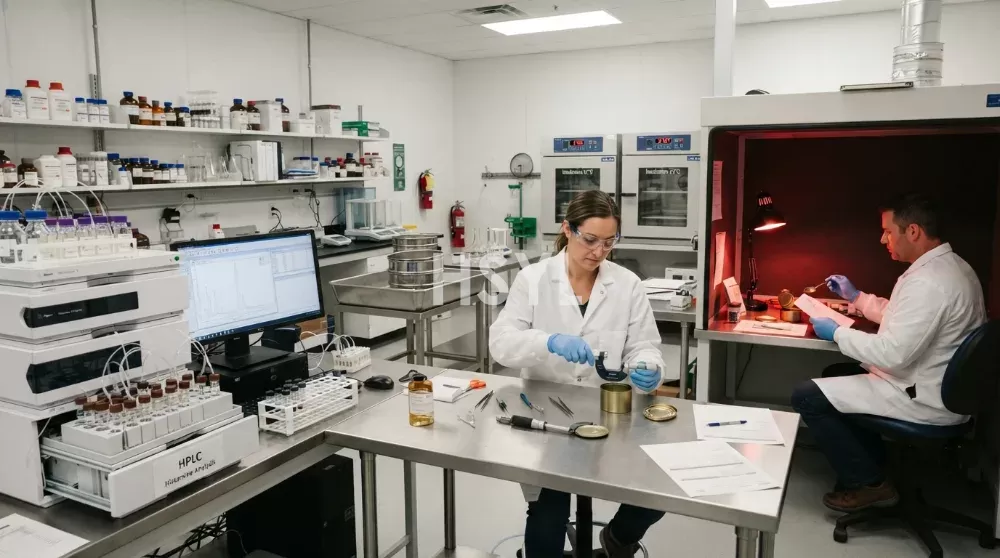
Complete sardine and mackerel canning line: heading and gutting automation, can ...
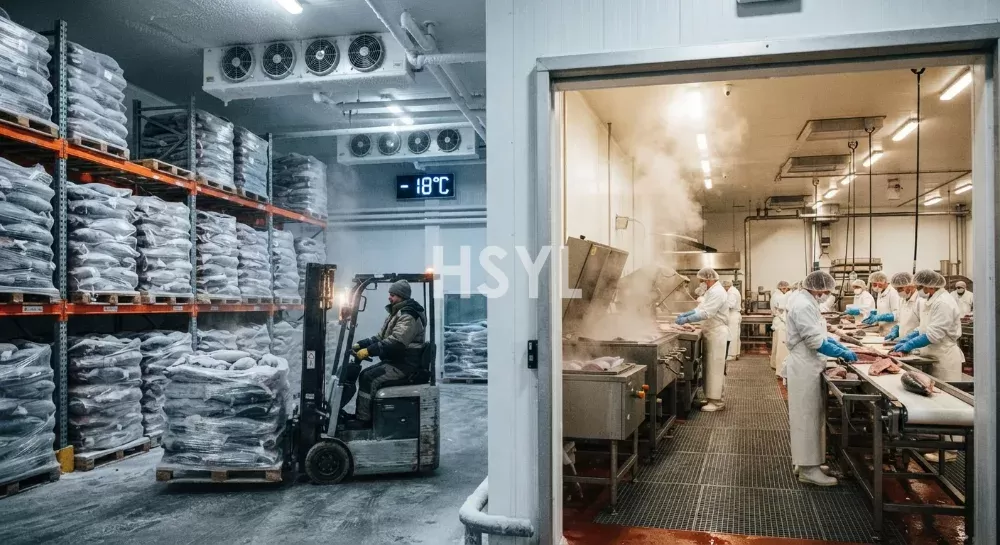
Direct AnswerThe most expensive asset in a fish cannery is not the retort or the...