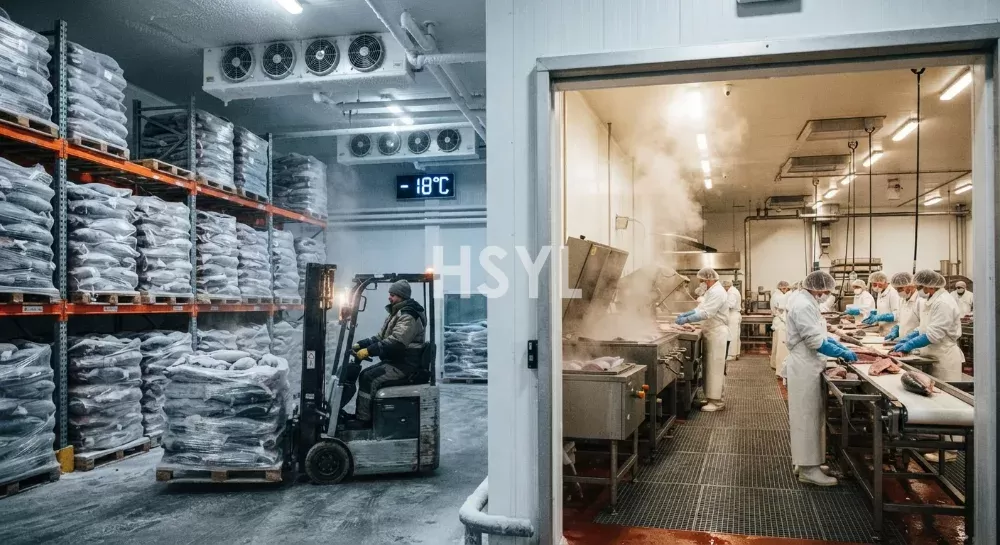
Seasonal Fish Canning: Cold Storage, Multi-Species Rotation and Year-Round Line Utilization
Direct AnswerThe most expensive asset in a fish cannery is not the retort or the...
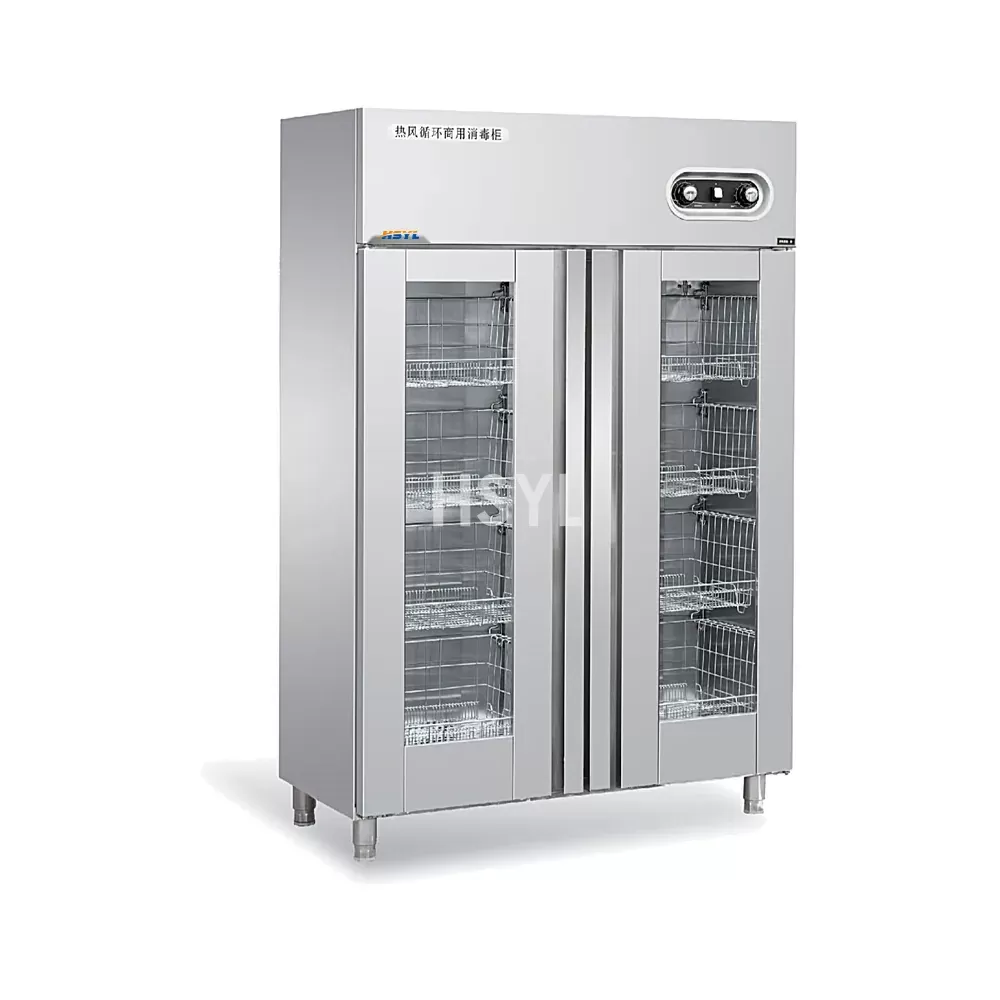
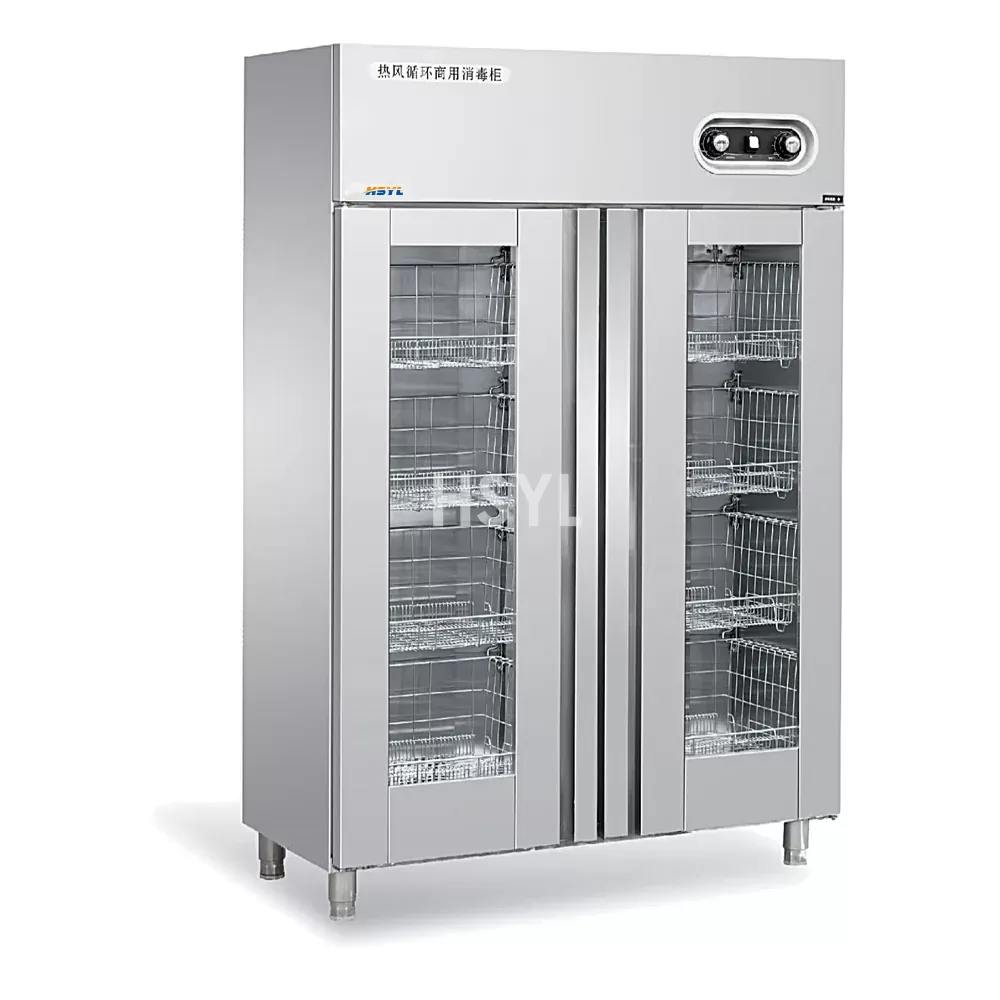
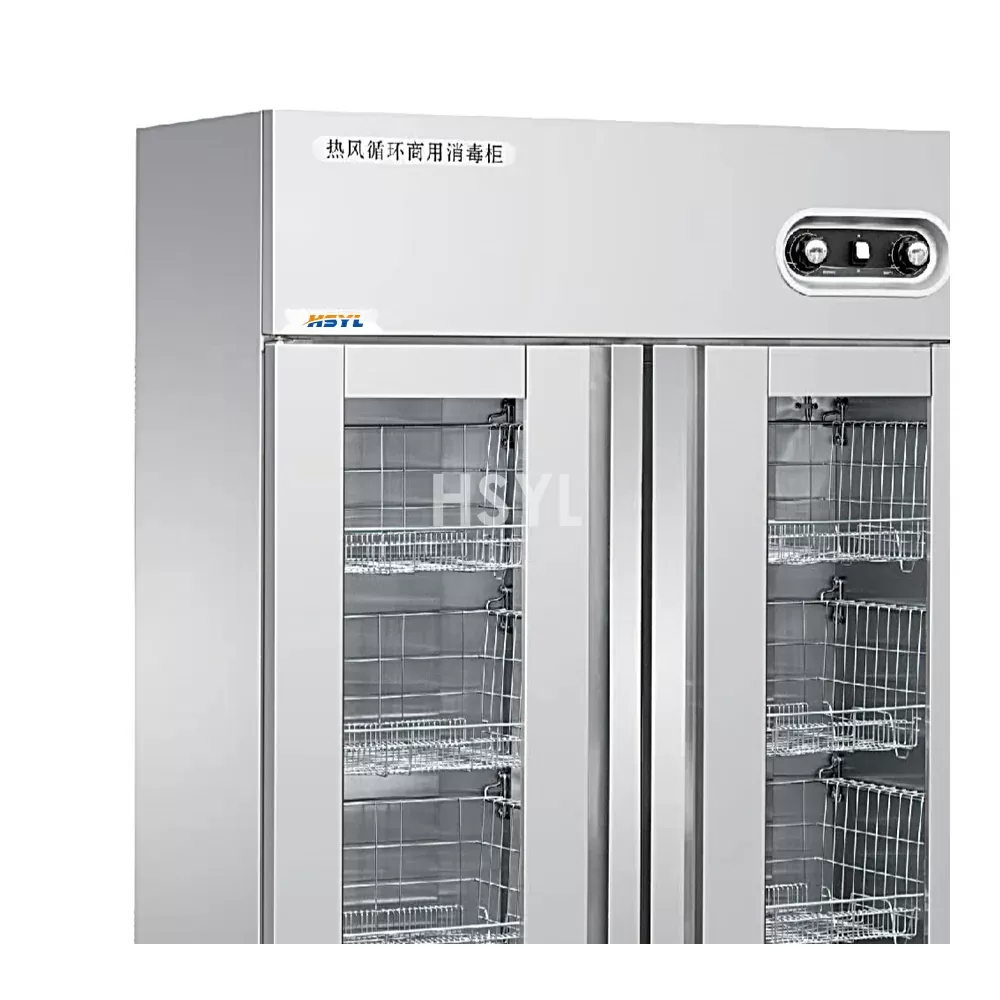
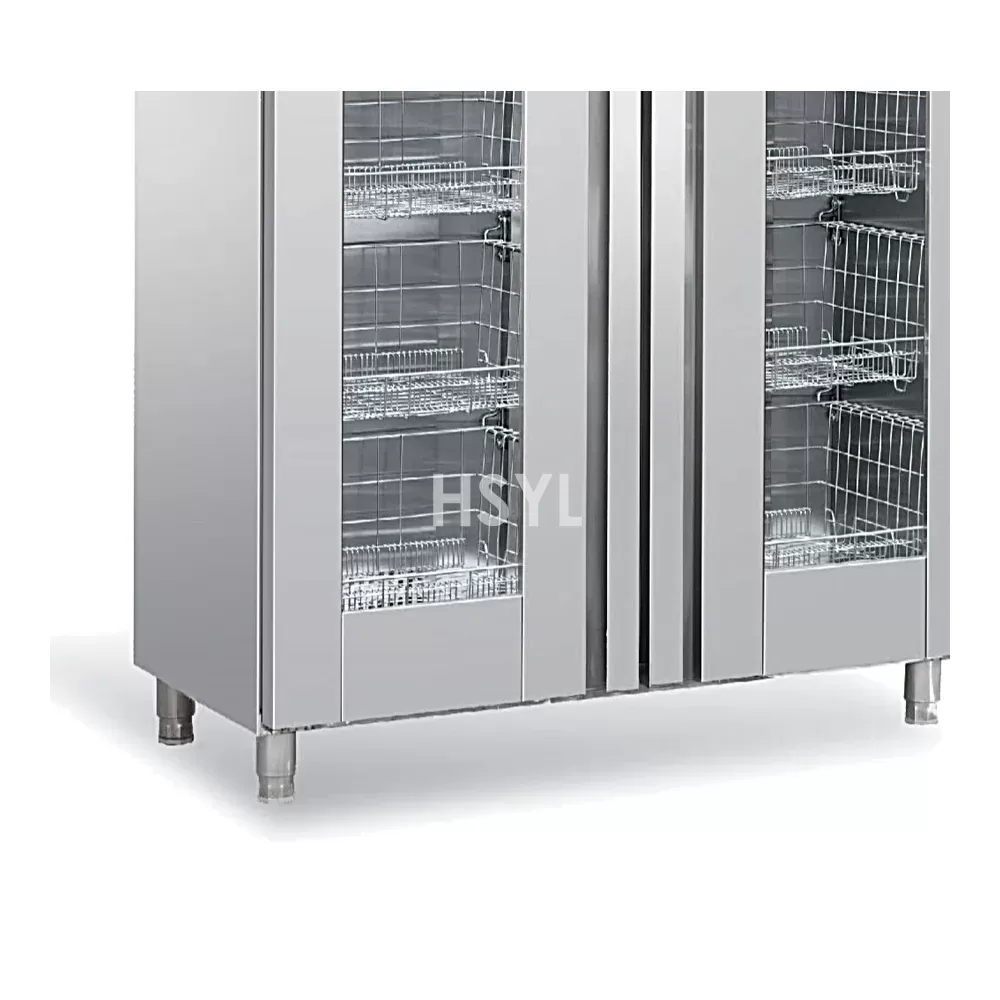
Commercial Flat-Door B (Glass Door) Sterilizer Cabinet. Compare models, specifications, applications, utilities and configuration options.
The XRTPB Flat-Door B (Glass Door) Sterilizer Cabinet is a commercial utensil-treatment cabinet positioned after washing and before clean storage or service. Available configurations use heated-air, far-infrared, UV or ozone functions depending on the model. Buyers must validate the actual cycle, load pattern, temperature distribution and microbiological target instead of relying on the cabinet name alone. Its procurement value is a separated, controllable utensil-treatment step between washing and protected clean storage. Load dimensions, rack arrangement, treatment mode, validated cycle, utilities, door format and unloading workflow are the main configuration variables. Explore related cooking, refrigeration and hygiene equipment in the commercial kitchen equipment range.
Washed utensils are drained and arranged on racks with clearance for air or radiation exposure. The operator closes the cabinet and selects the model-specific cycle. Heating elements and air circulation raise and distribute temperature; UV or ozone may be included only on designated variants. Items remain in the closed cabinet through the validated hold and cooling period.
Specifications
| Model | Dimension (mm) | Shelf Size(mm) | Voltage | Power | Temp. Range | Ster zation Temp | Layers | Caster Height | Insulation Thickness | Capacity | Net Weight |
|---|---|---|---|---|---|---|---|---|---|---|---|
| XRTP-348B / B14 | 645*645*1960 | 560*395*260 | 220V | 2.2KW | 50~125°C | 125°C | 4 | 12cm | 3cm | 348L | 70KG |
| XRTP-740B / B28 | 1305*645*1960 | 560*395*260 | 220V | 4.4KW | 50~125°C | 125°C | 8 | 12cm | 3cm | 740L | 119KG |
The table summarizes available models and technical specifications. HSYL can match the configuration to your capacity, utilities and workflow.
Load only items that have already been washed and drained. Racks, corners, door seals and fan guards need routine cleaning. Material options include SUS201, SUS304 and tempered glass. Request a model-specific material schedule for food-contact applications.
Operation uses manual cabinet loading. Temperature and time controls vary by model. Specify any required UV, ozone, alarm, interlock or data-logging functions during model selection.
Install after the warewashing and draining step and before clean storage. Maintain a one-way flow from dirty utensils to washed items to treatment and protected unloading. Coordinate electrical load, heat rejection, ventilation and clearance for doors, carts and racks. For multi-equipment projects, coordinate this unit with the commercial kitchen equipment solution.
Effectiveness depends on prior washing, load spacing, cycle temperature/time, utensil material and validation. The cabinet should not be used to substantiate a regulatory disinfection claim without test evidence.
Share your capacity, product or load dimensions, site utilities and layout through the HSYL technical proposal request. Our team will recommend a suitable model and configuration.


Direct AnswerThe most expensive asset in a fish cannery is not the retort or the...
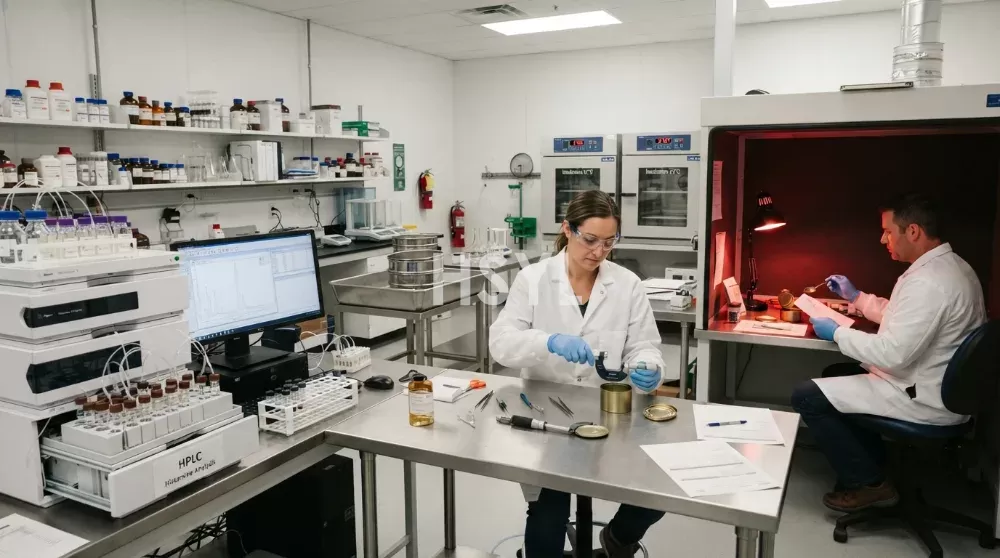
Complete sardine and mackerel canning line: heading and gutting automation, can ...
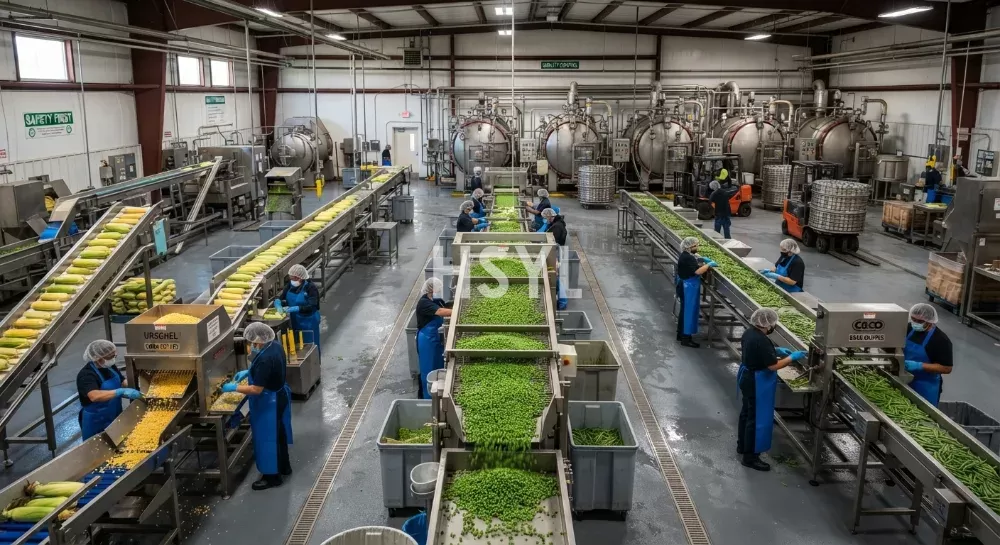
Low-acid canned vegetable processing line for corn, peas, and green beans. Press...
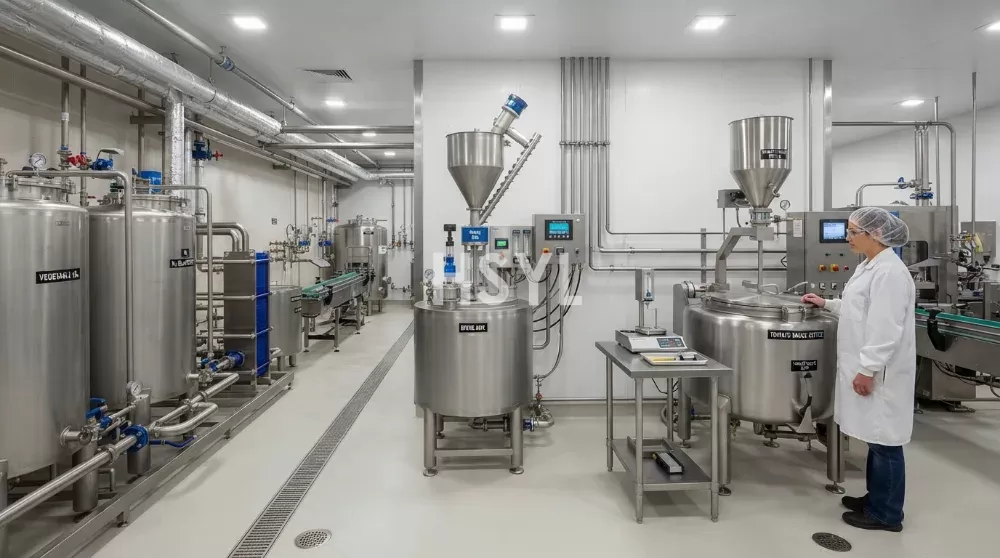
The filling medium — the liquid that fills the void spaces between the fish piec...