Gain in-depth insights into 4D Glass-Door Banquet Cart equipment’s working principles, application scenarios, and technical highlights.
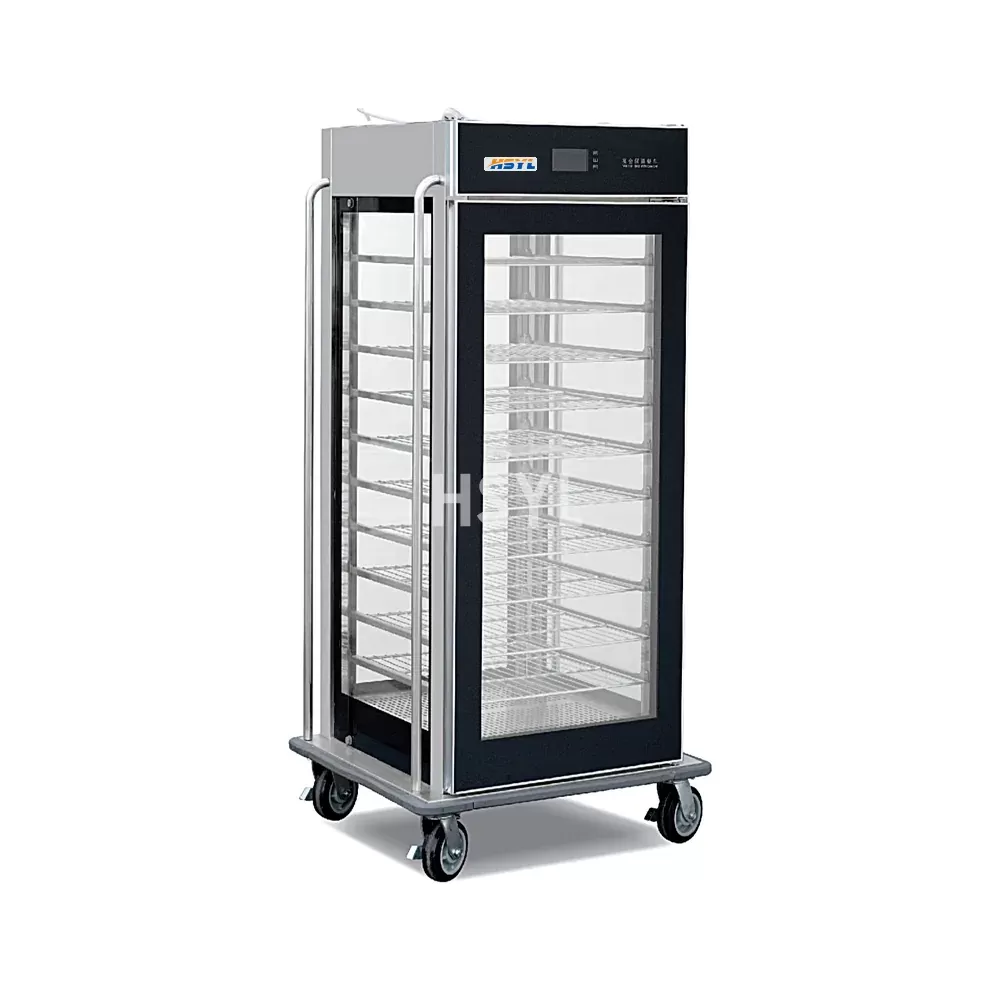
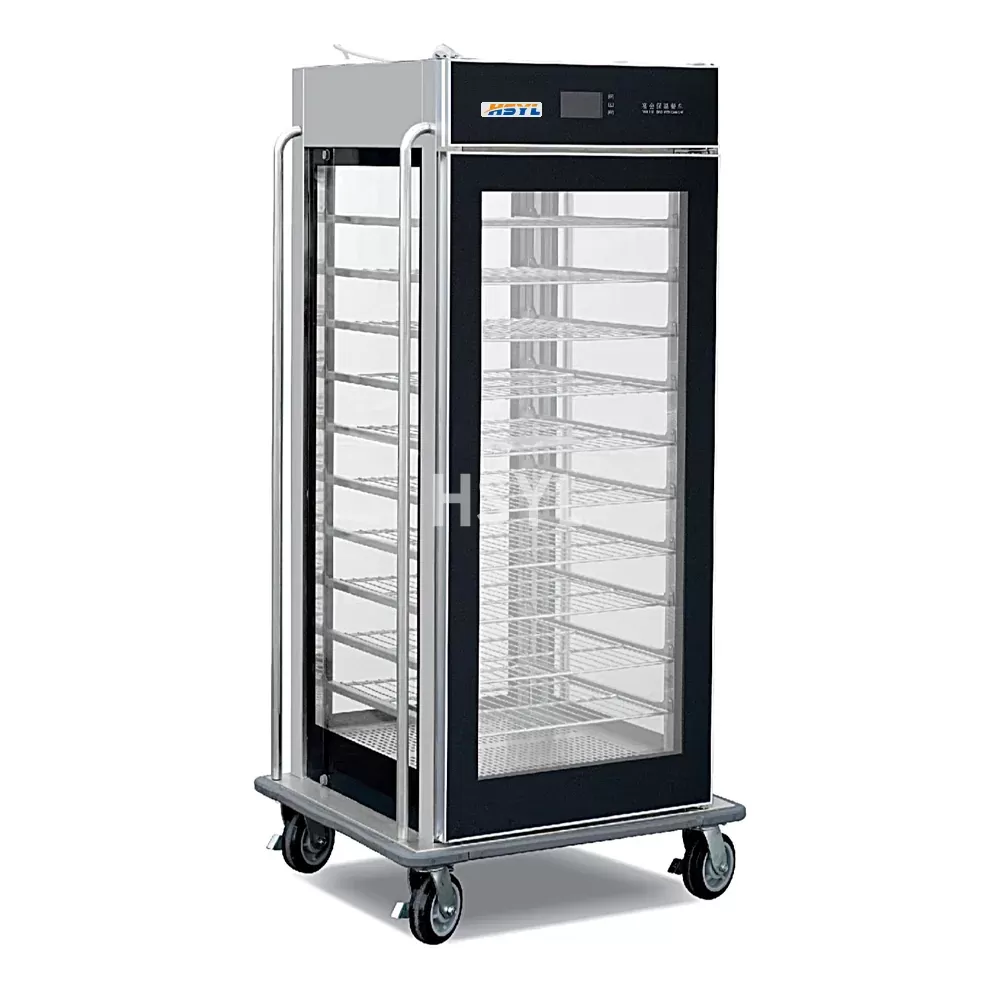
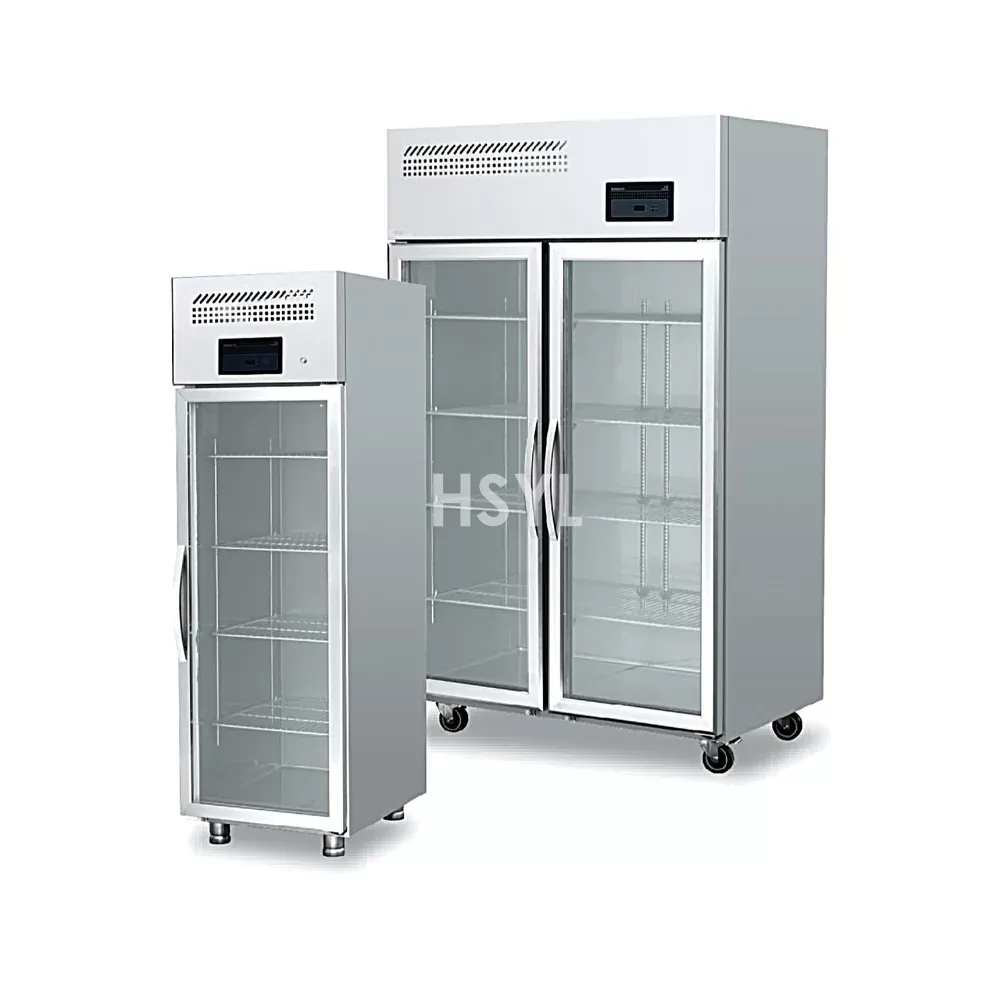
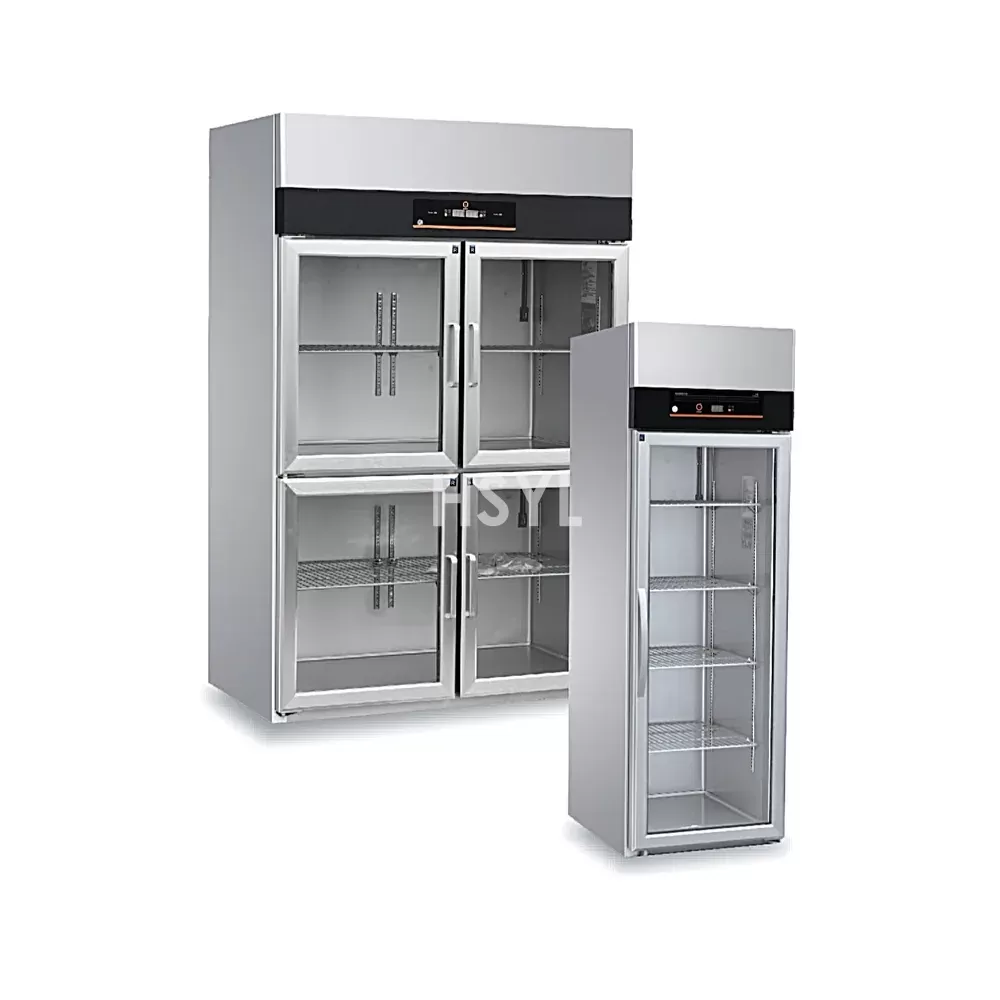
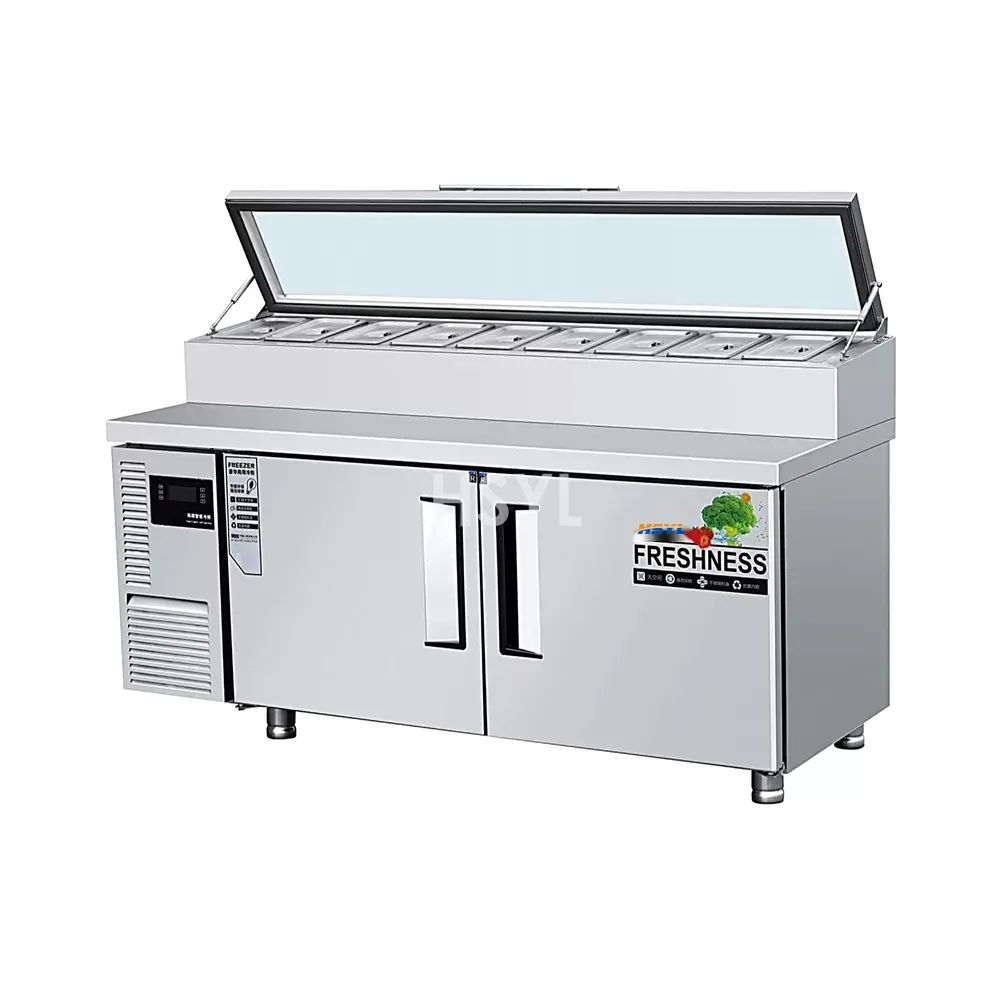
The E600 4D Glass Visual Style Banquet Cart is a mobile insulated holding cabinet for moving prepared food from the kitchen to service while limiting temperature loss. It is not a cooking appliance. Shelf size, pan count, holding temperature, route conditions, caster load and cleaning access are the main variables for quotation. In the workflow, it follows cooking and portioning and precedes dispatch or service. Its procurement value is controlled mobile holding with fewer unnecessary transfers; pan format, usable shelf spacing, holding condition, route time, caster duty and control type should be specified. Explore related cooking, refrigeration and hygiene equipment in the commercial kitchen equipment range.
Applications
- Raw material or load: Banquet halls, hotels, conference catering and institutional meal service.
- Final product or process outcome: already-cooked food transported or temporarily held at the buyer's validated service condition; the cart is not the cooking step.
- Product or load dimensions: cabinet external dimensions 860*830*1900; rack dimensions 535*635*12.
- Packaging or load format: covered food pans or trays compatible with the usable shelf spacing and door opening.
- Factory type: hotels, banquet operations, conference catering, institutional meal service and central-kitchen dispatch areas.
How the Machine Works
The empty cabinet is preheated when the model includes electric heat. Covered food pans are loaded onto the shelves, the door is closed, and the thermostat maintains the selected holding condition. Fan circulation, where fitted, helps reduce temperature stratification. Braked casters allow the cart to be positioned at the service point before unloading.
- Feeding: preheat the empty cabinet when the selected heated model and operating procedure require it, then load covered pans or trays.
- Positioning: distribute the load on compatible shelves without obstructing the door, fan or air path.
- Processing action: close the door and maintain the validated holding condition during stationary use or transport.
- Control or detection: monitor the specified thermostat, indicator, fan and product-temperature checks specified by the buyer's food-safety plan.
- Discharge: brake and stabilize the cart at the service point before opening the door and removing pans in a controlled sequence.
- Safety logic: segregate or reject loads that fall outside the buyer's time-temperature limits; the cart does not automatically judge food safety.
Key Features
- Feature: Foamed insulated cabinet for mobile hot-holding duty. Operating effect: limits heat exchange through the cabinet panels during operation. Buyer relevance: compare recovery, route time and utility demand under your planned load.
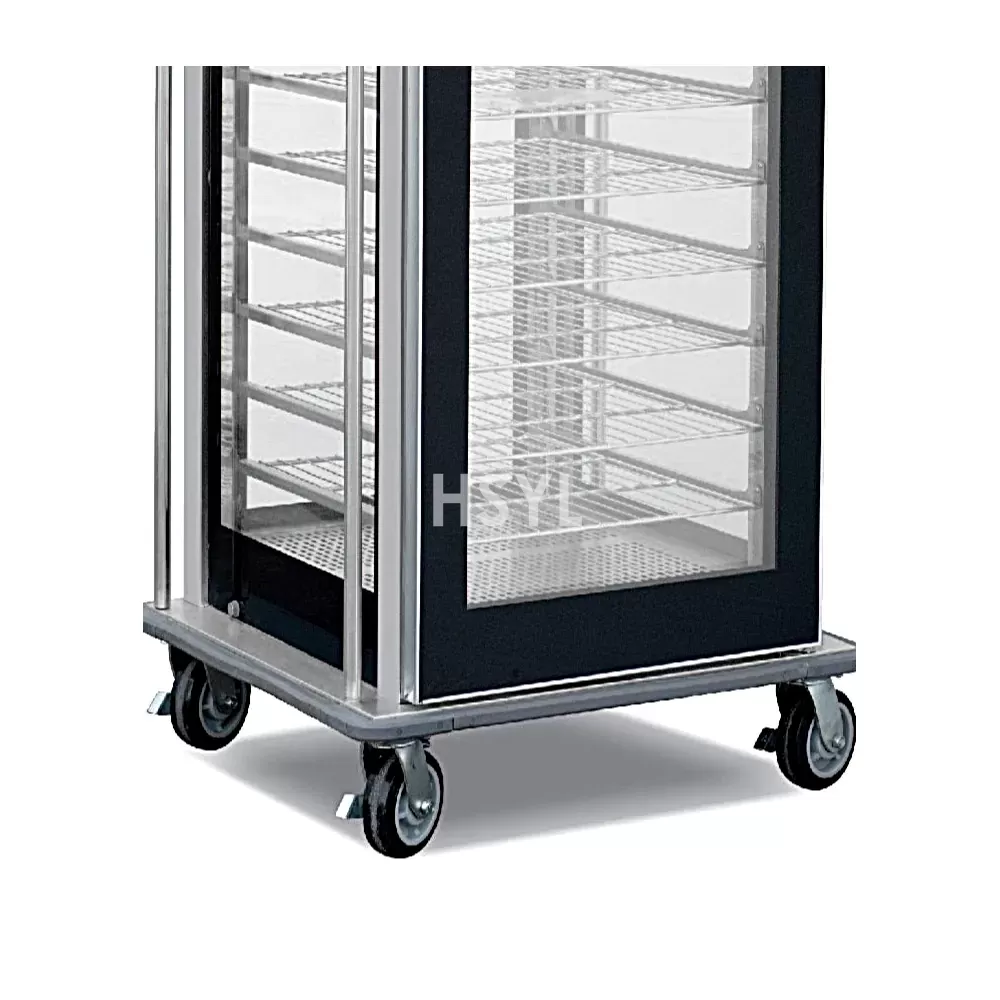
- Feature: Handles and non-marking braked casters included in the product design. Operating effect: supports manual movement, steering and positioning. Buyer relevance: check route thresholds, floor condition, brake arrangement and loaded caster duty.
- Feature: Removable shelf arrangement for pan loading and cleaning. Operating effect: defines load support, spacing and usable internal capacity. Buyer relevance: match the actual load dimensions and cleaning procedure before choosing a model.
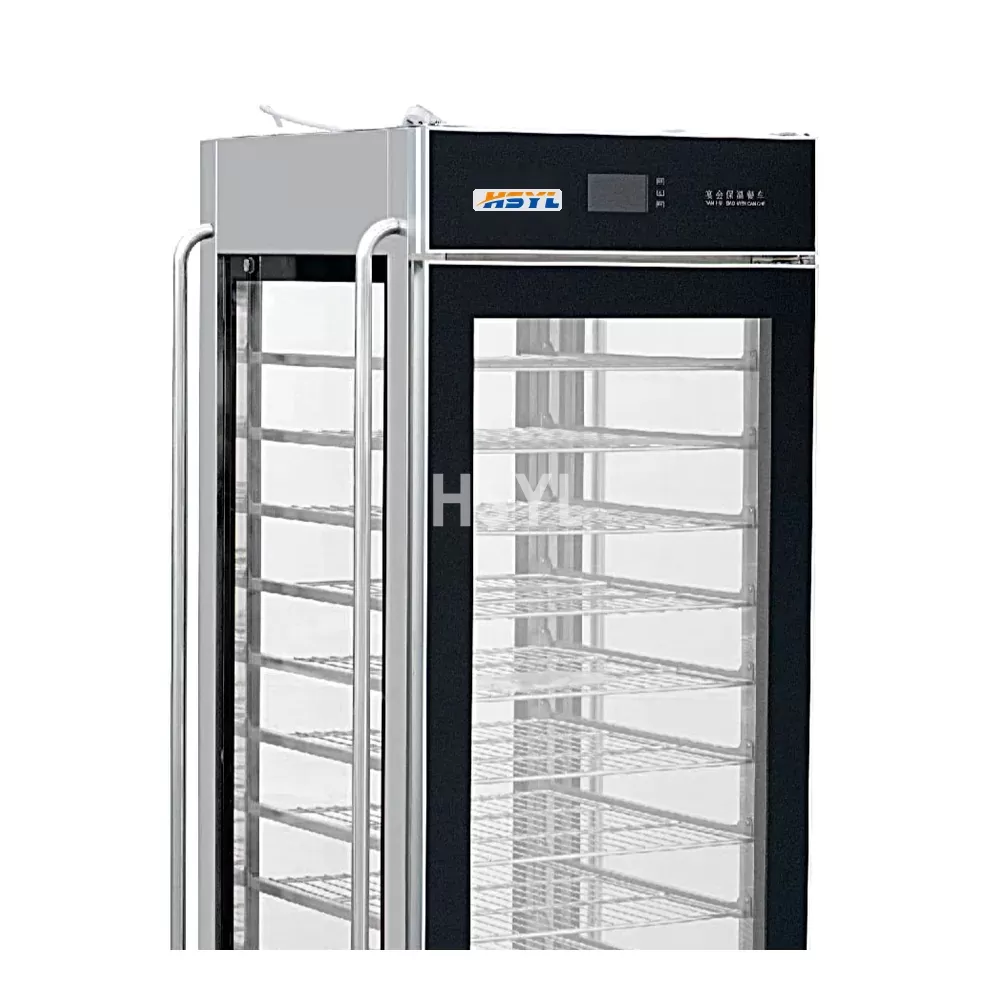
- Feature: Thermostat and heat indicator on electrically heated variants. Operating effect: provides a user-friendly control interface for setting temperature and time. Buyer relevance: check required modes, alarms, language, electrical standard and service access with our team.
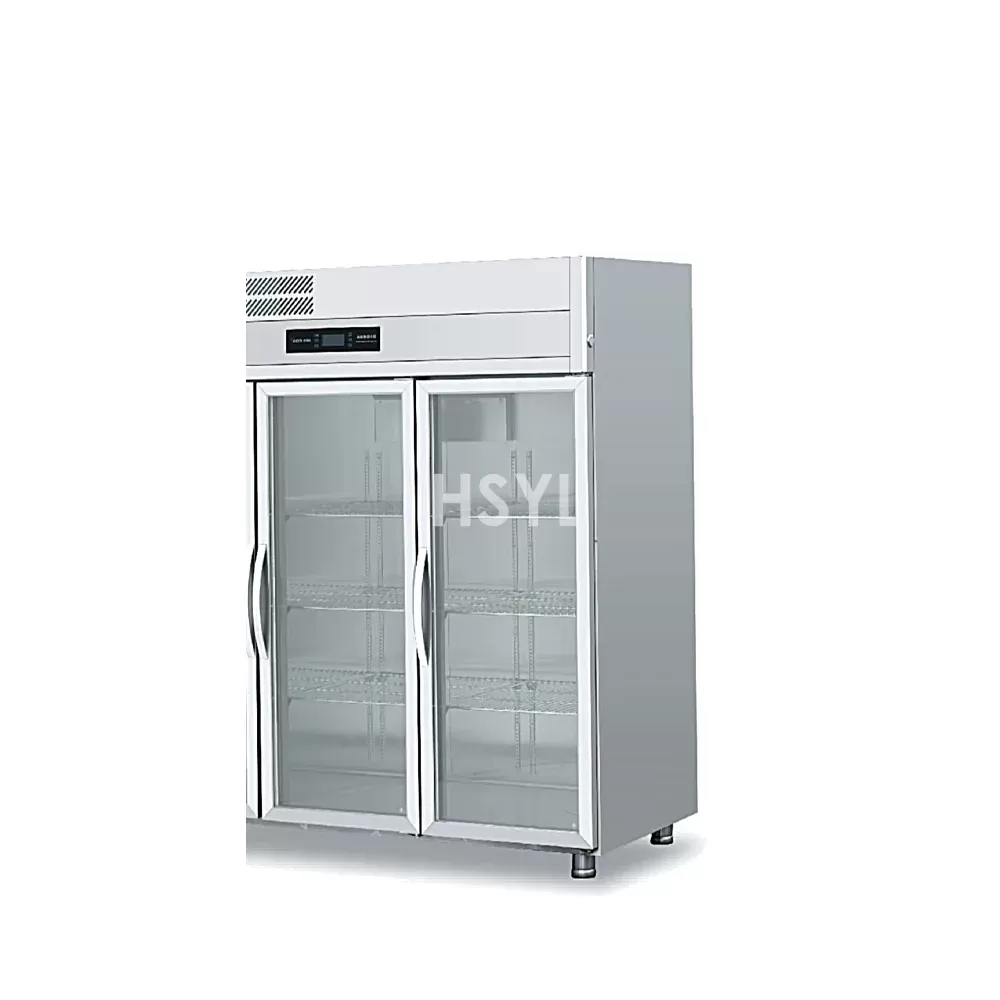
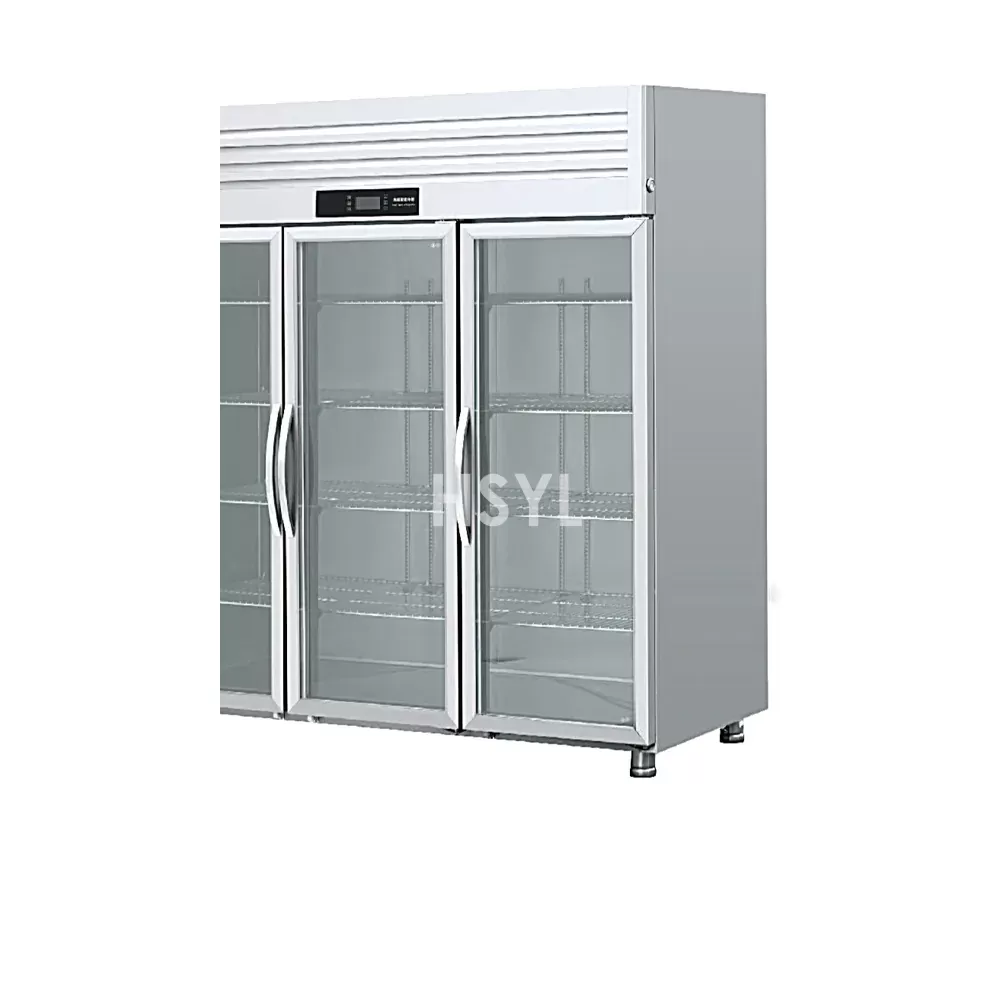
- Feature: Tempered-glass viewing panels allow operators to check loads without repeated door opening. Operating effect: controls access and limits unwanted air, heat or steam leakage when properly maintained. Buyer relevance: check door clearance, opening frequency, seal replacement and cleaning access.
Technical Specifications
Specifications
| Model | Dimension (mm) | Shelf Size(mm) | Voltage | Power | Temp. Range | Layers | Capacity | Net Weight |
|---|
| E600 - BC4D02 / 10 | 860*830*1900 | 535*635*12 | 220V | 2. 5 W | 30 – 80 °C | 10 | 600L | 57~5KG |
The table summarizes available models and technical specifications. HSYL can match the configuration to your capacity, utilities and workflow.
Hygienic Design and Food-Contact Materials
Food should remain in covered pans. Remove shelves for cleaning, wipe the interior with a food-service detergent, dry door seals and caster areas, and prevent wash water from entering electrical controls. Check stainless grade and drainage details for the selected model.
Automation and Control Options
Loading, transport and unloading are manual. Control may be mechanical or electronic as indicated by the model. Check thermostat range, fan operation, alarms and power connection before quotation.
Integration into a Production Line
Position the cart after cooking and portioning, or between a central kitchen dispatch area and the service point. Check lift dimensions, door widths, ramps, floor thresholds, travel time and access to a suitable power outlet. For multi-equipment projects, coordinate this unit with the commercial kitchen equipment solution.
Customization Options
- Model size and usable load configuration
- Voltage, frequency, phase and plug or isolator standard
- Control functions matched to the selected configuration
- OEM labeling and destination-market documentation
- Pan, shelf, caster, handle and control arrangement supported by the selected model
Model Selection Guide
A banquet cart maintains already-hot food; it does not rethermalize cold loads unless specifically validated. Food-safety hold time and temperature must follow the buyer's HACCP plan and local requirements.
Information Required for a Quotation
- Raw material, food, utensil or load photos and representative samples as applicable
- Final product specifications and acceptance criteria
- Target batch capacity, hourly or daily throughput and operating hours
- Food, tray, pan, rack, utensil or package dimensions
- Packaging or load format, closure and orientation
- Required automation, control, alarm and data functions
- Voltage, frequency, phase and available utilities
- Upstream and downstream equipment and interface conditions
- Factory or kitchen layout with access and maintenance clearances
- Destination country and local compliance requirements
Request a Technical Proposal
Share your capacity, product or load dimensions, site utilities and layout through the HSYL technical proposal request. Our team will recommend a suitable model and configuration.