Sardine and Mackerel Canning: Small Pelagic Fish Processing Line
Complete sardine and mackerel canning line: heading and gutting automation, can ...
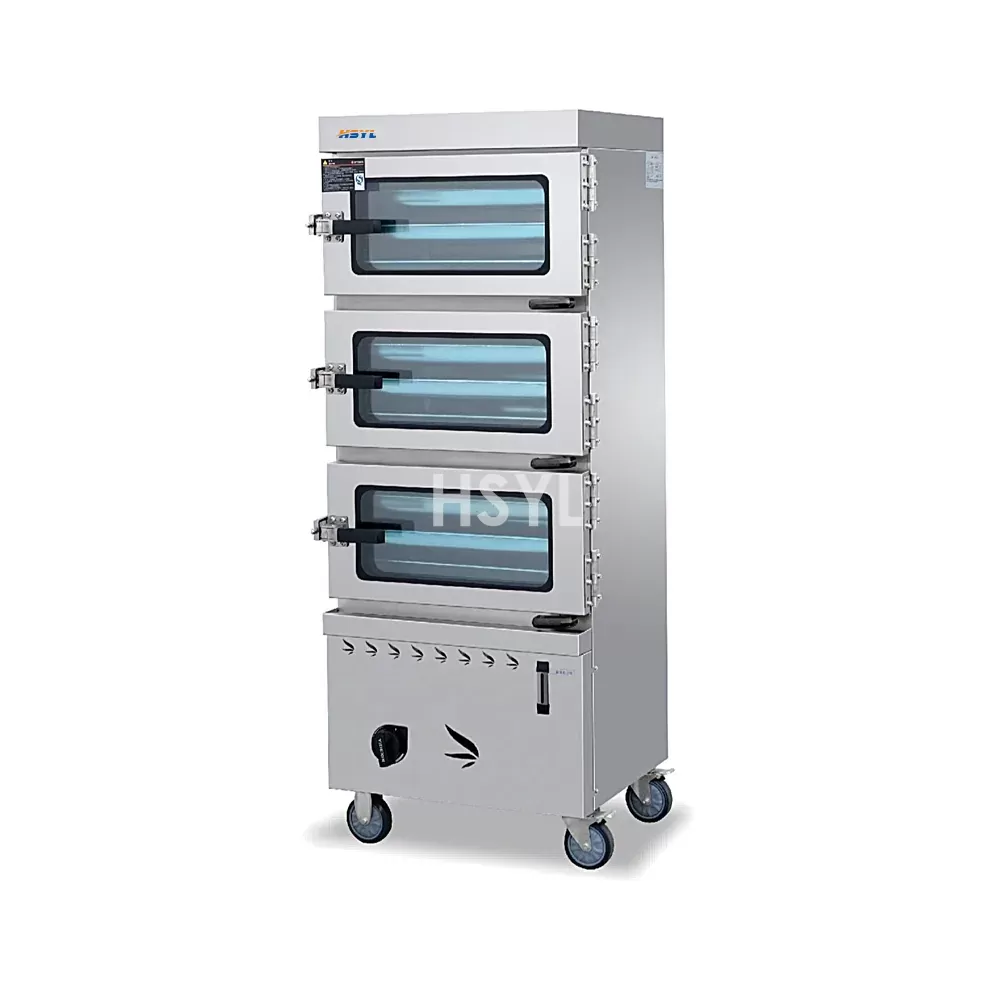
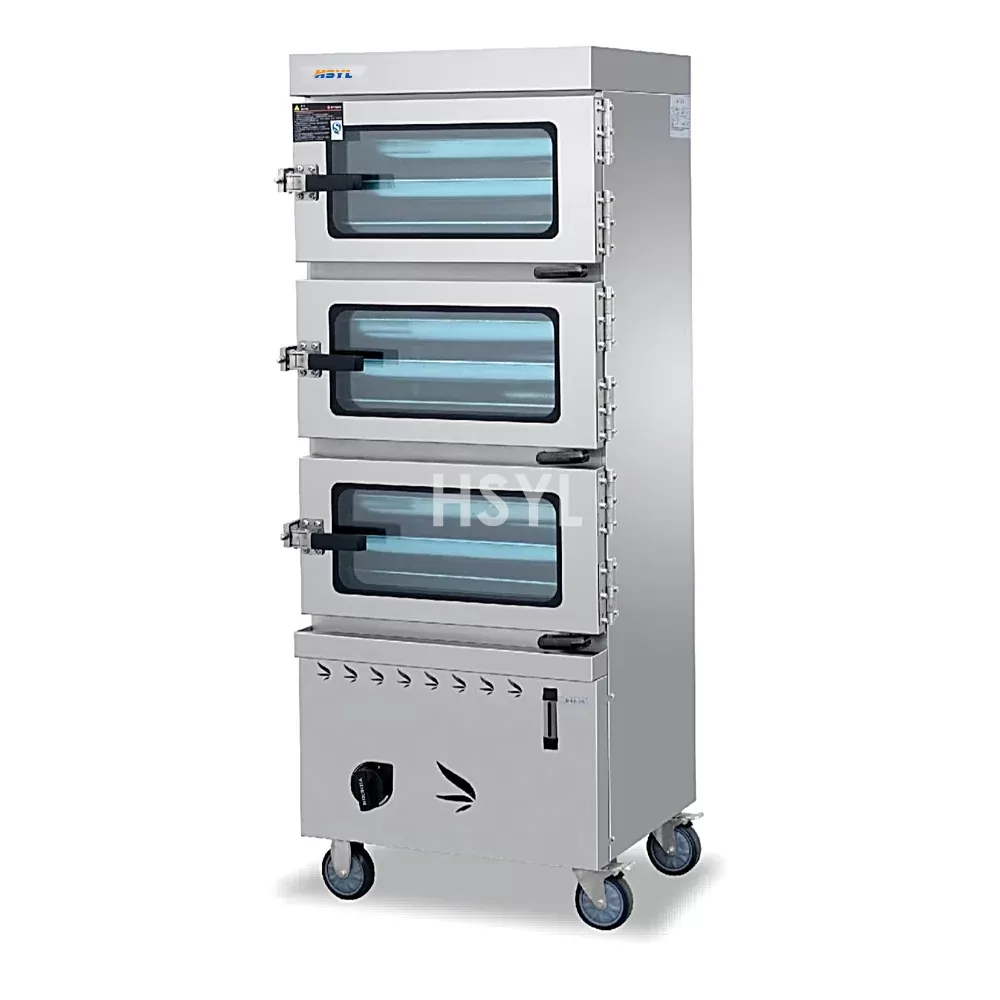
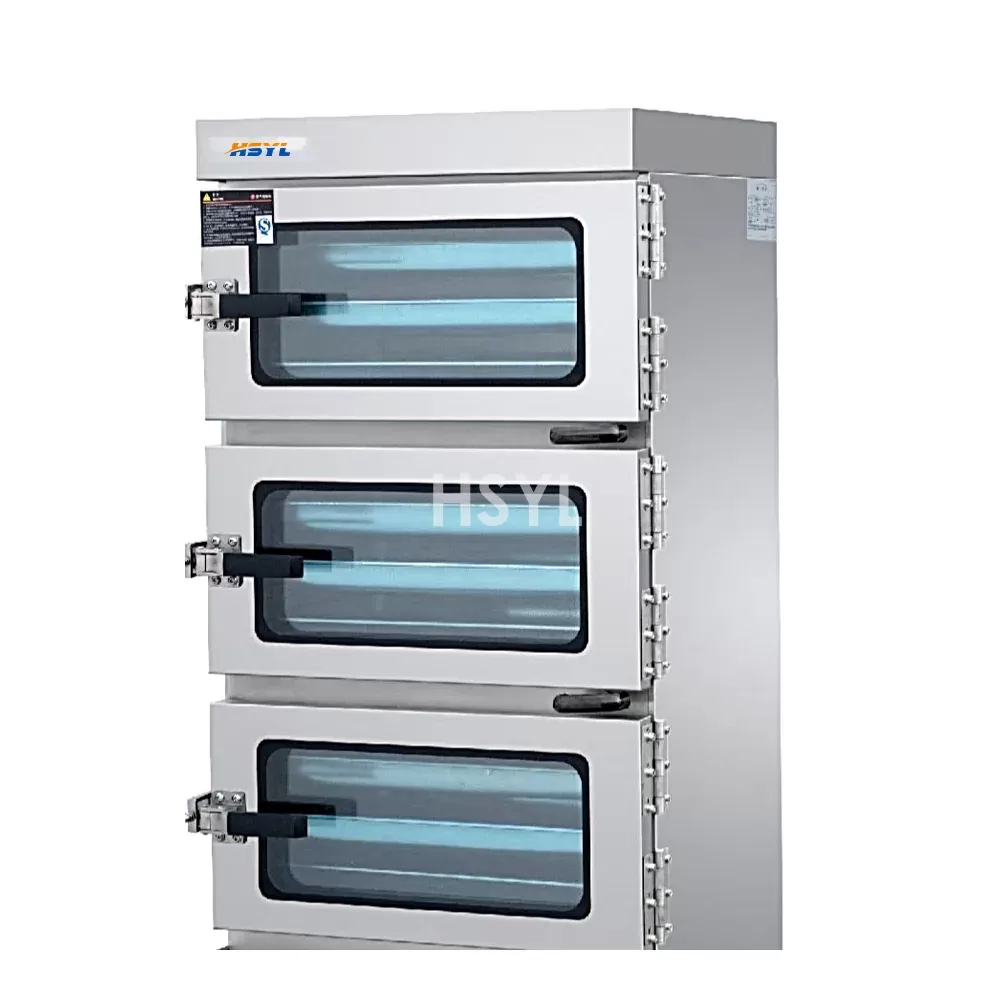
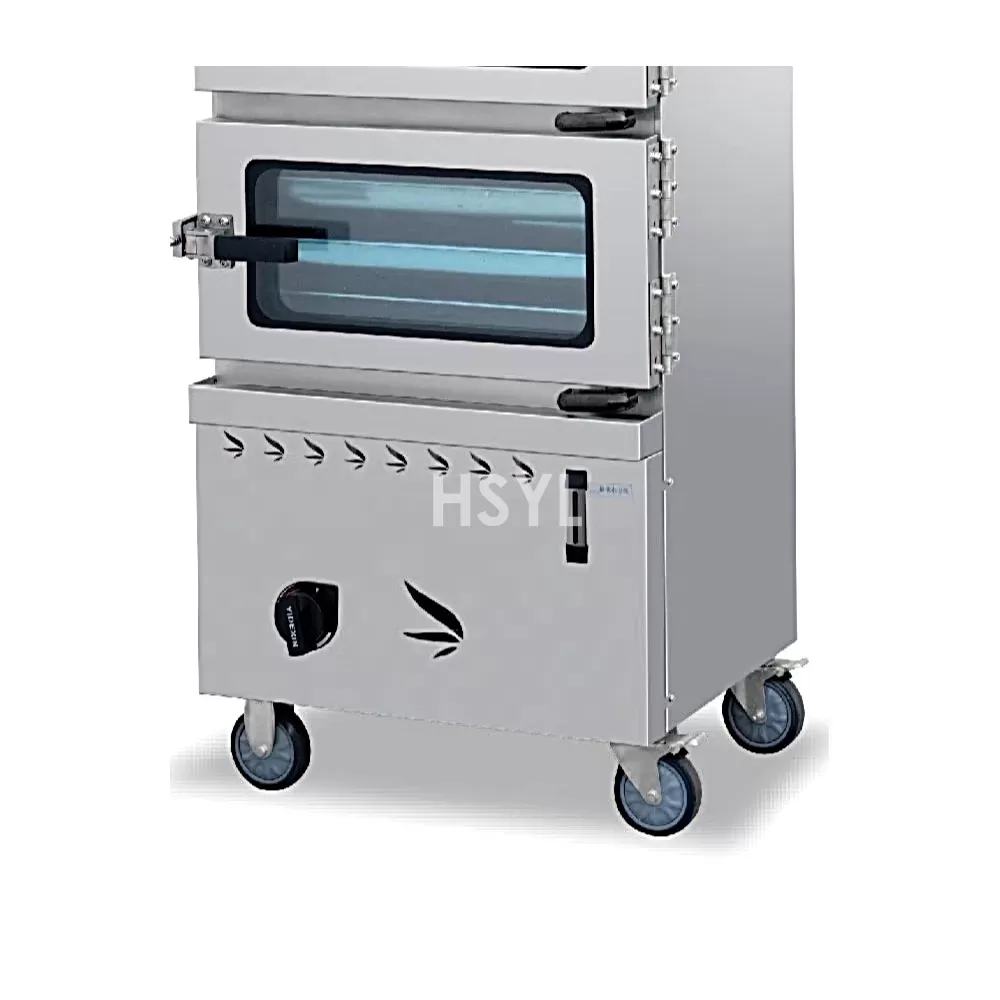
Layer Gas Steamer Cabinet (CNG). Compare models, specifications, applications, utilities and configuration options for commercial kitchen projects.
The EML-CNGS Layer Gas Steamer Cabinet (CNG) is a cabinet steamer that uses a gas-fired heat source to produce steam for the batch-cooking or steam-cooking stage of a commercial kitchen equipment kitchen or central-kitchen workflow. It is intended for sites that prefer gas utilities, but burner type, inlet pressure, ventilation, flame-safety devices and water quality should be specified before model selection. In the production flow, it follows raw-product preparation and tray or trolley loading, then precedes portioning, hot holding or rapid cooling. Its procurement value is a defined batch-steaming interface; usable load, tray or trolley format, steam source, utilities, control level and cabinet configuration should be specified for the project.
Water is supplied to the steam-generation section and heated by the gas burner. Steam enters the insulated cabinet around the loaded trays, transfers heat to the food, and condenses. Controls and safety devices manage ignition and the cycle; the product range mentions ignition and flame-out protection on gas variants, which requires technical selection.
Specifications
| Model | Trays | Cabinet Size(mm) | Number of air inIetS | Gas Consum tion | bar nozzle caliber (mm) | Capacity | Water lnpu Pressure | Gas Input Pressure | T ray Size (mm) | Gas Type | Net Weight |
|---|---|---|---|---|---|---|---|---|---|---|---|
| EML-CNGS-6S ()S Door) | 6 | 715*660*1245 | 1 | 1 1 m /hour | . | 4KG/Tray | ≤4kPa | NaturaI gas input pressure 2000Pa | 400*600*50 | Liquid gas/ NaturaI Gas | 65KG |
| EML-CNGS-6G (GIass Door) | 6 | 715*660*1245 | 86KG | ||||||||
| EML-CNGS-9S ()S Door) | 9 | 715*660*1795 | 100KG | ||||||||
| EML-CNGS-9G (GIass Door) | 9 | 715*660*1795 | 131KG |
The table summarizes available models and technical specifications. HSYL can match the configuration to your capacity, utilities and workflow.
Stainless-steel cabinet surfaces and removable trays support routine cleaning. Check which surfaces are SUS304 food-contact parts, how condensate drains, whether corners are accessible, and which seals can be removed for cleaning. Do not use abrasive pads on finished panels.
Loading is manual unless the selected model is paired with a trolley. Filling, timing and temperature-control functions vary by model and can be selected during quotation.
Place the steamer after raw-product preparation and tray loading, with safe space for unloading before portioning, hot holding or rapid cooling. Coordinate water, drain, steam or gas, electrical isolation, ventilation and floor loading with the kitchen layout. For multi-equipment projects, coordinate this unit with the commercial kitchen equipment solution.
Selection is limited by tray size, batch weight, product thickness, steam recovery between batches and site utilities. A cabinet steamer is not a substitute for a validated retort or pressure sterilizer.
Share your capacity, product or load dimensions, site utilities and layout through the HSYL technical proposal request. Our team will recommend a suitable model and configuration.


Complete sardine and mackerel canning line: heading and gutting automation, can ...
The filling medium — the liquid that fills the void spaces between the fish piec...
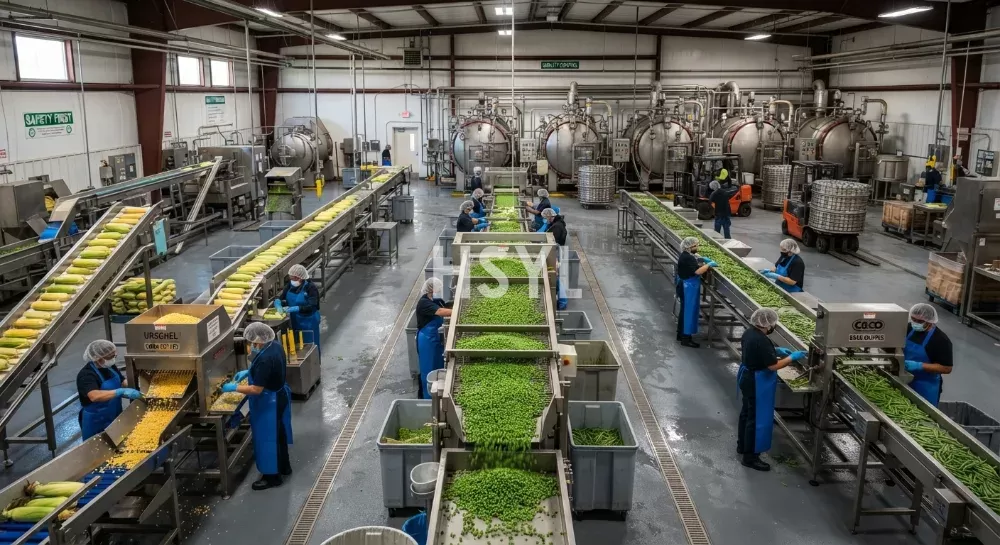
Low-acid canned vegetable processing line for corn, peas, and green beans. Press...
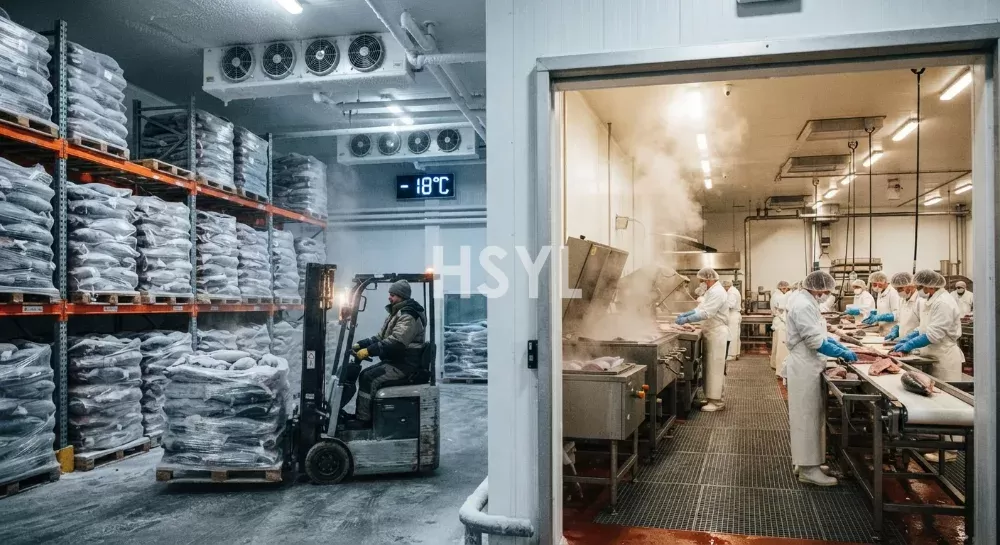
Direct AnswerThe most expensive asset in a fish cannery is not the retort or the...