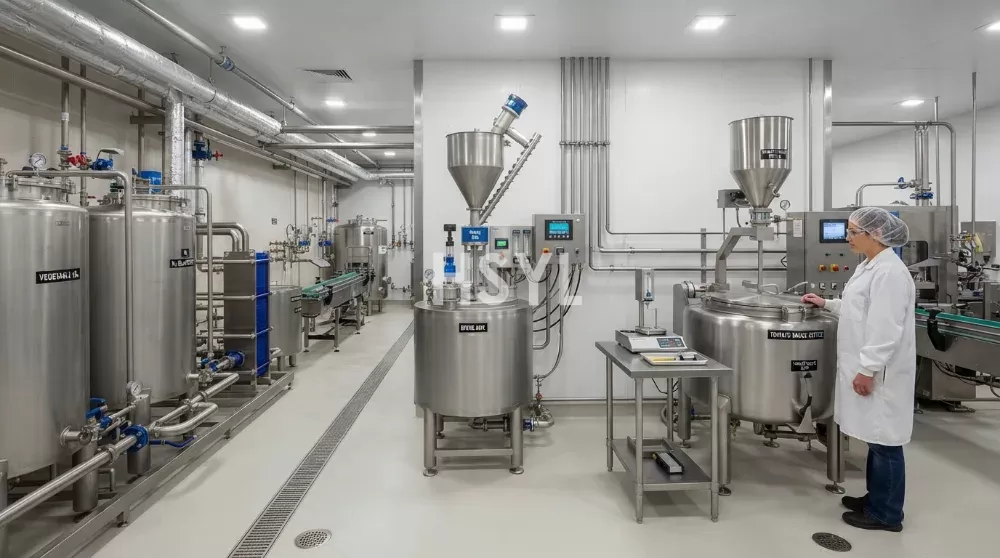
Canned Fish Filling Media: Oil, Brine, Tomato Sauce and Flavored Sauce Systems
The filling medium — the liquid that fills the void spaces between the fish piec...

Maximize central kitchen efficiency with our dual-jacketed automatic tilting steam cooking and cooling machine. Rapid thermal exchange prevents bacterial growth for RTE meals. SUS316L construction.
In large-scale ready-to-eat (RTE) meal factories and central kitchen operations, transferring high-temperature viscous fluids between separate cooking and chilling stations introduces severe contamination risks and labor inefficiencies. The automatic tilting steam cooking and cooling machine consolidates heavy-duty thermal processing into a single vessel. By utilizing a dual-zoned pressure jacket, the system transitions from 120°C high-pressure steam boiling to rapid chilled water circulation within minutes. This immediate thermal drop forces the product through the critical bacterial danger zone rapidly, ensuring strict HACCP compliance for industrial soups, curries, stews, and heavy sauces.
The hardware parameters below reflect our standardized engineering configurations designed for continuous, high-stress industrial thermal processing.
| Model | Effective Volume (L) | Agitator Power (KW) | Operating Steam Pressure (MPa) | Dimensions (L×W×H mm) | Machine Weight (kg) |
|---|---|---|---|---|---|
| HSYL-TCC-300 | 300 | 1.5 | 0.25 - 0.3 | 1650 × 1200 × 1550 | 480 |
| HSYL-TCC-500 | 500 | 2.2 | 0.25 - 0.3 | 1850 × 1400 × 1750 | 620 |
| HSYL-TCC-800 | 800 | 3.0 | 0.25 - 0.3 | 2100 × 1650 × 1900 | 850 |
| HSYL-TCC-1000 | 1000 | 4.0 | 0.25 - 0.3 | 2250 × 1800 × 2100 | 1150 |
Operational bottlenecks frequently occur when batches require distinct heating and cooling phases in separate tanks. Implementing a single-vessel thermal architecture offers measurable mechanical and processing advantages.
The core thermal transfer principle relies on a precision-engineered steam and water jacket encompassing the lower hemisphere of the cooking bowl. During the cooking phase, industrial steam enters the lower manifold, distributing latent heat evenly across the SUS316L inner surface. A proportional pneumatic steam valve regulates the inflow to maintain precise cooking temperatures programmed via the central PLC interface.
Once the designated pasteurization or cooking time is achieved, the automated valve matrix purges the residual steam and condensate from the jacket. The system immediately opens the secondary manifold, allowing 2°C chilled water or glycol to flood the cavity. Simultaneously, the planetary agitator adjusts its rotational speed. The PTFE scrapers continuously turn the coagulating product, constantly folding the hot core of the batch against the chilled inner wall, thereby accelerating the heat exchange rate logarithmically without destroying the particulate integrity of the ingredients.
When deployed in high-throughput food manufacturing facilities, the 1000L variant operates effectively as the primary thermal node. For instance, in a 2000kg/h curry production plant, multiple units can be synchronized via a centralized SCADA system. While one vessel is under active steam pressure boiling, an adjacent unit executes the rapid cooling cycle, and a third undergoes CIP (Clean-in-Place) sanitation.
The fully automated tilting function is calibrated to minimize splashing during the discharge phase. The wide pouring lip is specifically angled to dock precisely with standard 200L Euro bins or direct-feed progressive cavity transfer pumps. This allows the chilled product to be fed directly into horizontal packaging lines without exposing the sanitized food to ambient factory air for prolonged periods.
Manufacturing jacketed pressure vessels requires rigorous metallurgical control and certified welding procedures. Both the inner bowls and outer steam jackets are subjected to hydrostatic testing at 1.5 times the maximum working pressure prior to final assembly. The electrical enclosures, emergency stop circuits, and pressure relief valves are engineered to comply with CE and BRC machinery directives, ensuring maximum occupational safety. Factory Acceptance Testing (FAT) is conducted on every unit to verify mixing torque capabilities and validate thermal transition times prior to export crating.


The filling medium — the liquid that fills the void spaces between the fish piec...
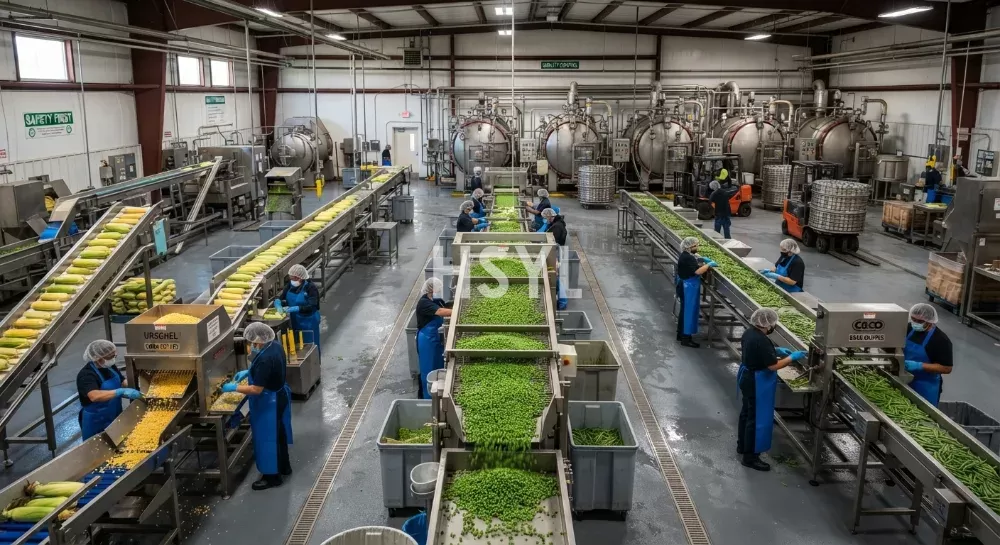
Direct AnswerA low-acid canned vegetable processing line — corn, peas, and green...
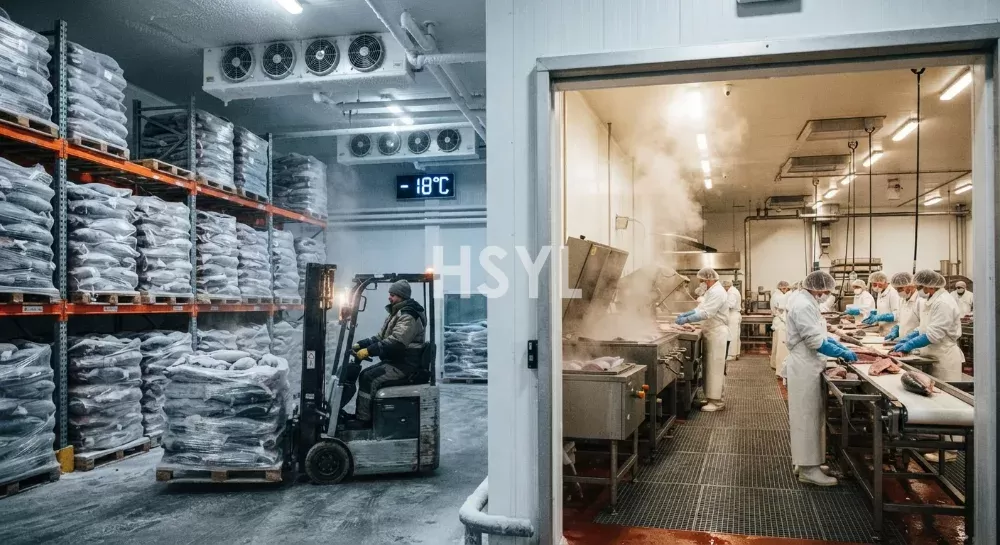
Direct AnswerThe most expensive asset in a fish cannery is not the retort or the...
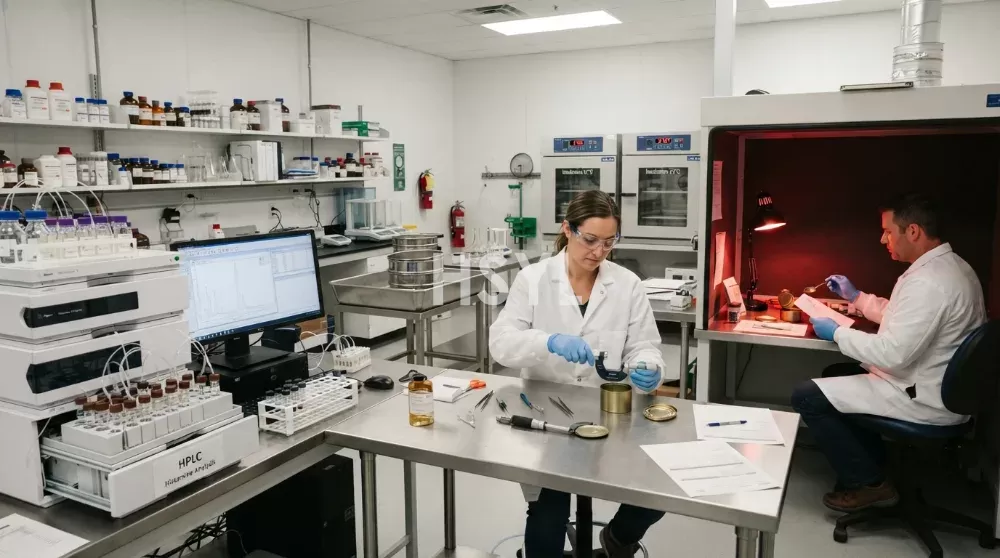
A sardine and mackerel canning line processes small pelagic fish — typically 10–...