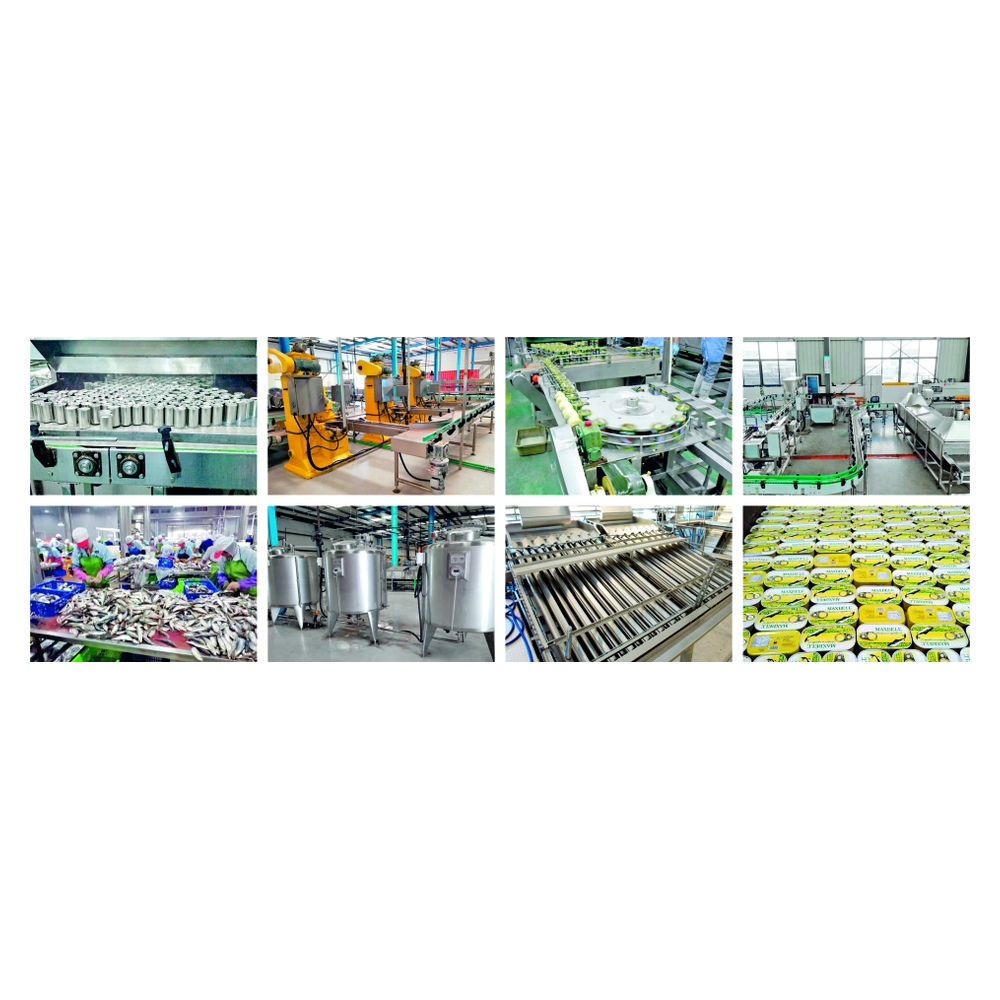
Oval and Club Can Vacuum Seaming Machine: Mass Flow Kinematics & Sizing
Engineering guide for Club Can Seamer focusing on mass flow kinematics & sizing:...


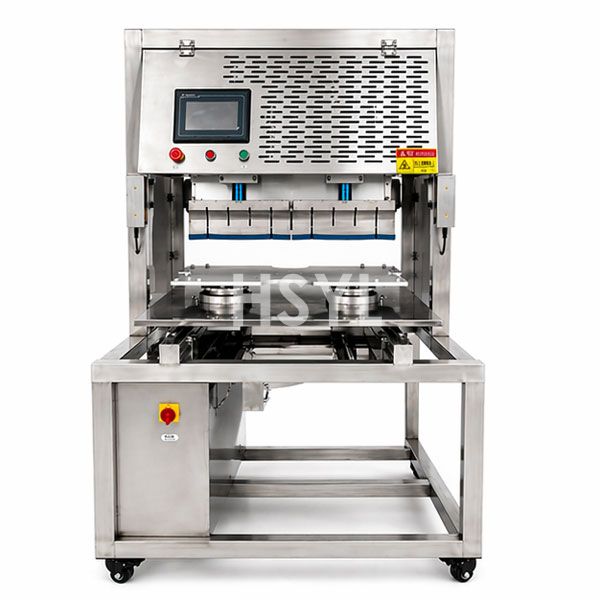
Portion brownie slabs into squares, rectangles or bars with an ultrasonic cutting configuration selected around your recipe, slab dimensions and production target. Discuss your product and sample-cutting requirements with HSYL.
Brownie cutting needs to preserve the appearance of the finished piece while producing dimensions that suit your packaging. Dense centers, delicate crusts, chocolate coatings and nut inclusions can each respond differently during cutting.
The HSYL ultrasonic brownie cutting machine is designed to portion bakery products using a vibrating blade and controlled cutting movement. Ultrasonic cutting can help reduce sticking and product deformation, but the result depends on the recipe, product temperature, blade configuration and cutting sequence.
Start with your slab dimensions, required portion size and hourly output. Product assessment helps establish the appropriate machine configuration and operating conditions.
| Model | Capacity (kg/h) | Power (kW) | Ultrasonic Frequency (kHz) | Dimensions (L×W×H mm) | Material (product contact) | Net Weight (kg) |
|---|---|---|---|---|---|---|
| HSYL-UBC-600 | 600 | 1.8 | 20 | 1800×800×1300 | SUS304 | 420 |
| HSYL-UBC-1200 | 1,200 | 2.5 | 22 | 2400×900×1400 | SUS304 (SUS316L optional) | 650 |
| HSYL-UBC-2400 | 2,400 | 4.2 | 22–25 | 3800×1200×1500 | SUS304 / SUS316L | 980 |
Electrical: standard 3-phase 380V 50Hz (480V/60Hz available). Pneumatic: 0.5–0.8 m³/min @ 6 bar for pneumatic gates and actuators. Typical ultrasonic generator sizing: 500–1000 W depending on horn length and duty cycle.
A plain brownie slab and a coated brownie with large nut pieces should not be assessed as the same application. Share the characteristics that affect cutting and finished-piece handling.
| Product characteristic | Information to provide | What to assess during cutting |
|---|---|---|
| Slab dimensions | Length, width, height and variations between batches | Working area, blade clearance and cutting sequence |
| Product temperature | Temperature when the slab reaches the cutter | Smearing, deformation, crust damage and blade release |
| Inclusions | Type, size and distribution of nuts or chocolate pieces | Displacement, breakage and cut-face appearance |
| Toppings and layers | Ganache, icing, caramel or other layers | Dragging, cracking and separation between layers |
| Finished portions | Required length, width and target weight | Dimensional consistency and weight variation |
| Product support | Tray, liner, board or conveyor arrangement | Loading, cutting clearance and removal of finished pieces |
Define what an acceptable brownie portion looks like before arranging a trial. Include photographs or samples showing the finish you need.
Review the top crust, side faces, corners and base. Check whether toppings move, inclusions pull out, or product remains attached to the blade. Examine pieces from different positions across the slab rather than judging only one sample.
Dimensional repeatability and weight consistency are separate checks. Equal-size pieces can still have different weights when slab thickness, density or inclusion distribution varies. A cutting machine does not automatically provide weight control unless the selected system includes the appropriate measurement and control functions.
Specify your target in slabs or finished pieces per hour. If your production target is expressed in kilograms, also provide the slab weight and required portion size.
The number of cuts, blade movement, product loading, unloading and cleaning pauses all affect usable output. Ask for the capacity basis to identify:
Slab dimensions and product temperature.
Finished-piece dimensions and the number of cuts.
Loading and unloading arrangements.
Cutting-cycle time and planned interruptions.
Whether the figure describes cutting time alone or the complete operating cycle.
Use these conditions to compare the selected model with your production requirement.
For standalone operation, consider how operators position slabs and remove the portions without damaging them. Include the working height, tray arrangement and space required for handling.
For line integration, review the transfer from cooling into cutting and from cutting into packaging. Confirm conveyor dimensions, product orientation, spacing and the response when downstream equipment stops.
If your application requires coordinated cutting stages and conveying, review the HSYL ultrasonic cutting production line.
A trial should use a product representative of normal production, including its crust, toppings, inclusions and temperature. Tell us if the recipe or slab size changes between production runs.
Agree on the assessment criteria before testing:
Finished-piece dimensions and acceptable variation.
Cut-face appearance, crust condition and topping stability.
Portion weights measured across the slab.
Product sticking and any cleaning interruptions.
Output measured over a defined operating period.
Record the machine configuration and test conditions alongside the results. A successful demonstration with one product does not establish the same performance for every recipe.
Contact HSYL to discuss sample requirements and trial arrangements before sending food samples.
Include your cleaning routine and allergen changeovers in the equipment discussion. Check access to the blade, conveyor and product-contact areas, and confirm which components require removal.
Cleaning methods, chemicals and water exposure must follow the instructions for the selected equipment. Do not assume that every ultrasonic assembly or electrical component is suitable for the same washdown procedure.
For product changeovers, confirm which settings can be adjusted and whether different slabs or cut patterns require additional parts.
Send your slab dimensions, product temperature, recipe characteristics, required portion size and target output. Add photographs of the whole slab and the cut finish you want to achieve.
These details help establish the application review, sample-testing requirements and equipment configuration for a quotation.


Engineering guide for Club Can Seamer focusing on mass flow kinematics & sizing:...
Engineering guide for Basket Shuttle Car focusing on mass flow kinematics & sizi...

Engineering guide for Seam Stripping Gauge focusing on mass flow kinematics & si...
Engineering guide for Tuna Oil Doser focusing on mass flow kinematics & sizing: ...