Food Processing Line Solutions
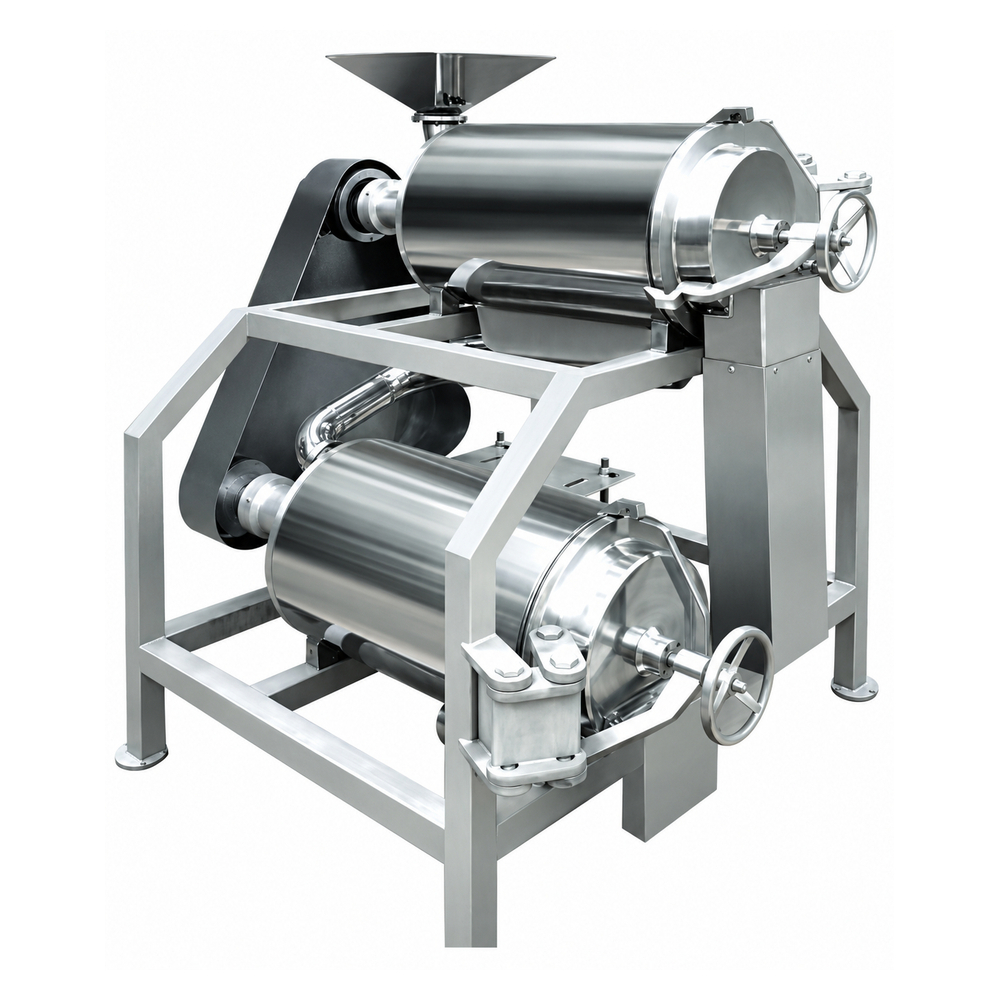
Mechanical Peach Halving and Pitting Machine: Mass Flow Kinematics & Sizing
Engineering guide for Peach Pitter Machine focusing on mass flow kinematics & si...
Read more →End-to-end design, manufacturing, and delivery—empowering you to achieve efficient, compliant, and highly profitable production in any global market.
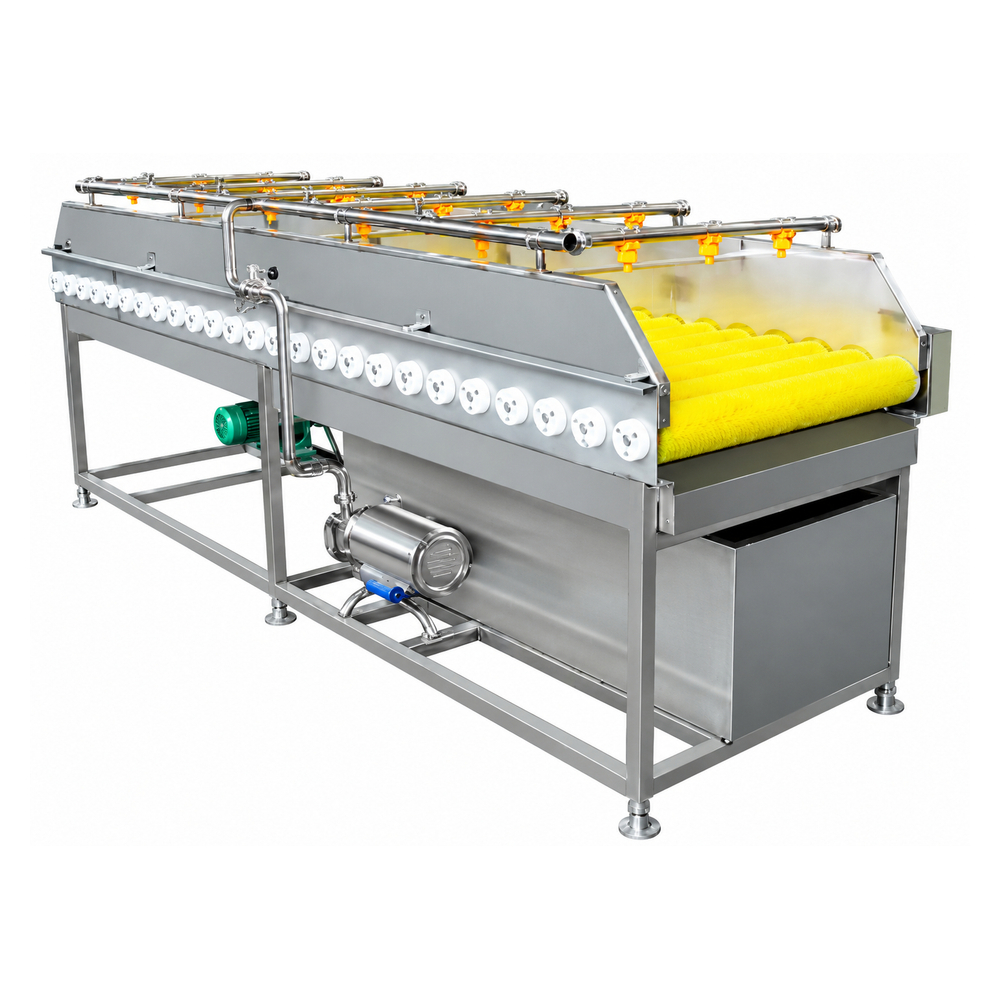
When evaluating the canned peach food processing line price, plant managers must consider the entire engineering scope, from fresh fruit intake to final retort sterilization. The core driver of capital expenditure (CAPEX) in this sector is the level of automation implemented during the pitting and peeling stages. Our turnkey systems handle continuous raw material throughputs ranging from 2,000 kg/hr to 15,000 kg/hr. The process begins with hydrodynamic flume washing, followed by automated mechanical halving and pitting mechanisms that physically align the fruit along its suture line to maximize flesh yield.To maintain hermetic seal integrity and high-speed canning output, configure this stage with our industrial sardine canned food processing machine.
Following the pitting stage, the line utilizes high-efficiency lye (caustic) peeling or thermophysical steam peeling stations. By maintaining a precise caustic concentration of 2% to 4% at 85°C to 90°C, the skin is completely dissolved without thermal degradation to the underlying fruit structure. The peaches are immediately neutralized, washed via high-pressure sprays, and transferred on sanitary modular belts to the syrup volumetric filling and vacuum double seaming stations, ensuring a hermetic seal prior to thermal processing.
The total investment for a commercial fruit canning facility fluctuates based on metallurgical grades, thermal processing capacities, and PLC architectures. Below are standard engineering parameters utilized to calculate baseline equipment configurations.
| System Module | Standard Specification | High-Automation Configuration |
|---|---|---|
| Input Capacity Range | 2 to 5 Tons/Hour | 8 to 15 Tons/Hour |
| Pitting & Halving | Semi-automated orientation feeding | Vision-guided robotic alignment |
| Peeling Mechanism | Standard immersion lye peeler | Continuous steam-vacuum peeling system |
| Sterilization Phase | Batch horizontal steam retorts | Continuous rotary sterilizers (121.1°C) |
| Material Construction | SUS304 food-grade stainless steel | SUS316L for high-acid/syrup contact zones |
A critical operational challenge in peach processing is enzymatic browning and structural collapse during the blanching and filling phases, which directly impacts the final grading of the canned product. HSYL mitigates this via integrated vacuum exhausting systems immediately post-syrup filling. By extracting dissolved oxygen prior to double seaming, we inhibit oxidation and prevent internal can deformation during the high-pressure retort cycle.
Investing in a comprehensively engineered line allows facilities to pivot between different SKU formats depending on seasonal retail demands and institutional catering contracts. A single configured line can be programmed to output:
International certifications including GMP, FDA, CE, and HACCP ensure your products succeed worldwide.
Average payback period of 18 months, 25% lower energy consumption, and 300% higher production capacity.
End-to-end support—from feasibility studies to after-sales maintenance—so you can focus on your core business.
Why choose us? Three core pillars ensure maximum return on your investment.
Fully customized design from the ground up, strictly compliant with the highest global standards (GMP, FDA, CE), ensuring a perfect fit for your unique requirements—ideal for high-standard markets such as Europe and the Middle East.
One-stop service covering feasibility studies, equipment manufacturing, system integration, installation, commissioning, and operator training—simplifying even the most complex projects. Especially suited for fast-growing markets in Southeast Asia.
Our systems feature rapid changeover capabilities and energy-efficient design, enabling you to adapt effortlessly to market shifts while minimizing operational costs and maximizing ROI.
From individual equipment to complete production lines, our products cover every aspect of food processing, ensuring that your turnkey projects have the most reliable technological foundation.
Global certifications including CE, FDA, and GMP
Tailored solutions based on your specific needs
From installation and commissioning to after-sales support
Green manufacturing to reduce operational costs
Covering 12 core industries, each solution has been validated through practical experience and tailored to your specific needs
Backed by real-world case studies, showcasing our successful experience across industries and regions.
Latest technological trends and professional insights
Engineering guide for Peach Pitter Machine focusing on mass flow kinematics & si...
Read more →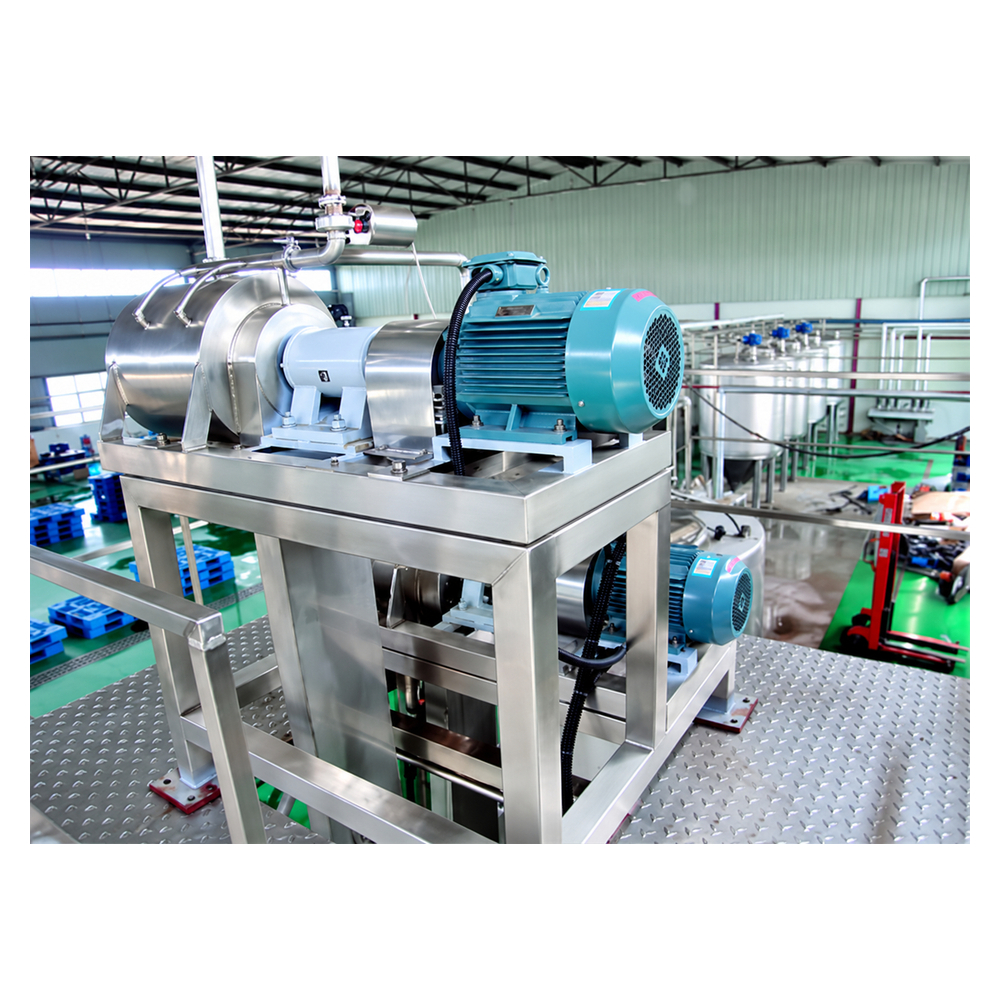
Examine fruit pulper vs refiner mechanics: coarse cellular extraction vs micro-m...
Read more →
Evaluate industrial fruit pulping machine price factors: stone fruit de-pitting,...
Read more →
Examine fruit pulper vs refiner mechanics: coarse cellular extraction vs micro-m...
Read more →
Fig. 5: Sieve mesh configurations, rotor scrapers, and operational cost bounda...
Read more →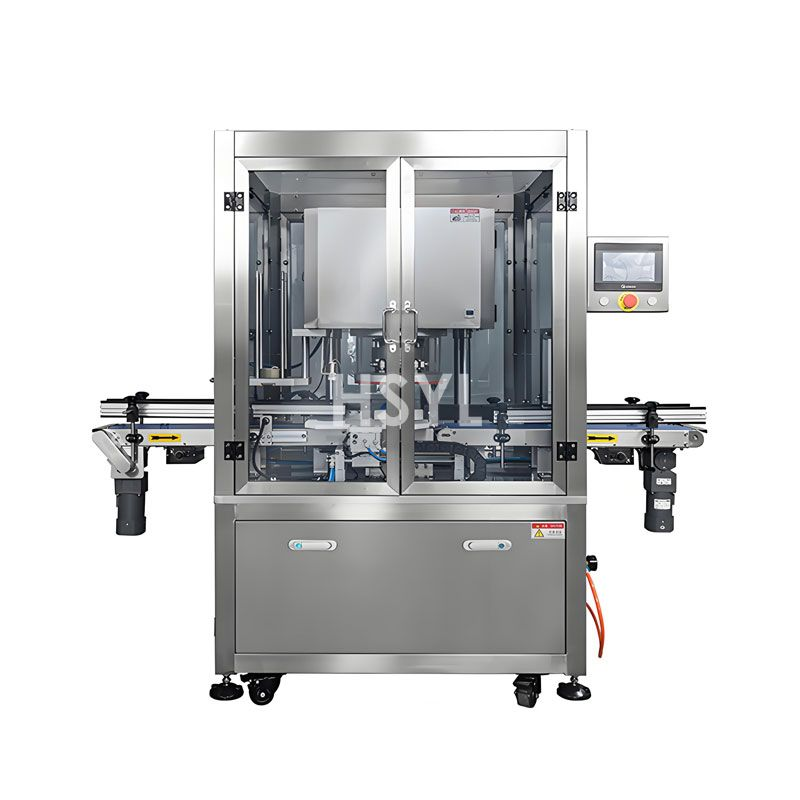
Investigate can conveyor transfer events with formats, transfer geometry, produc...
Read more →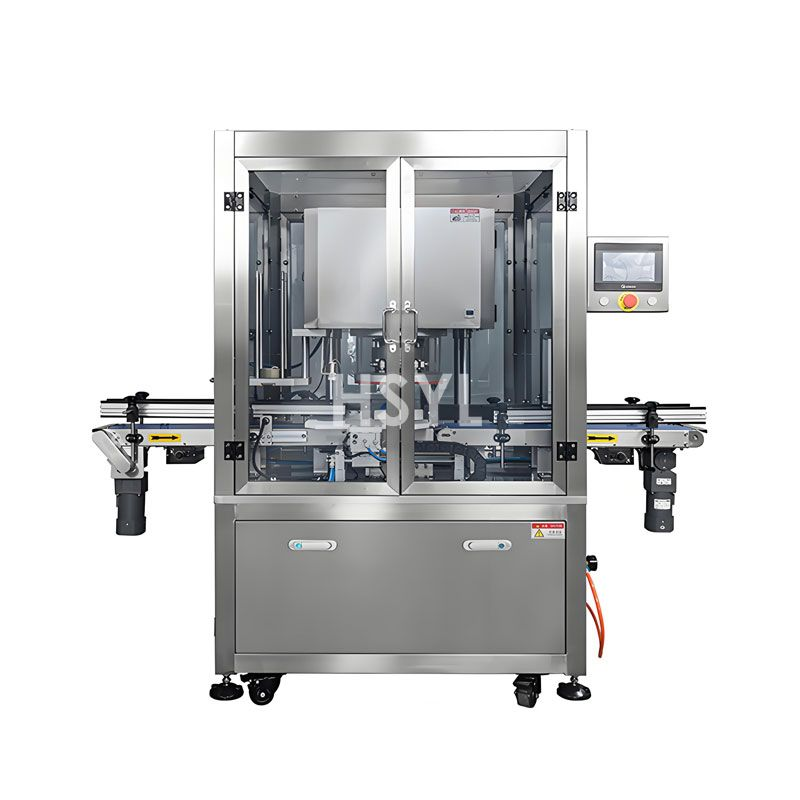
Coordinate fruit canning container data across can and end suppliers, equipment ...
Read more →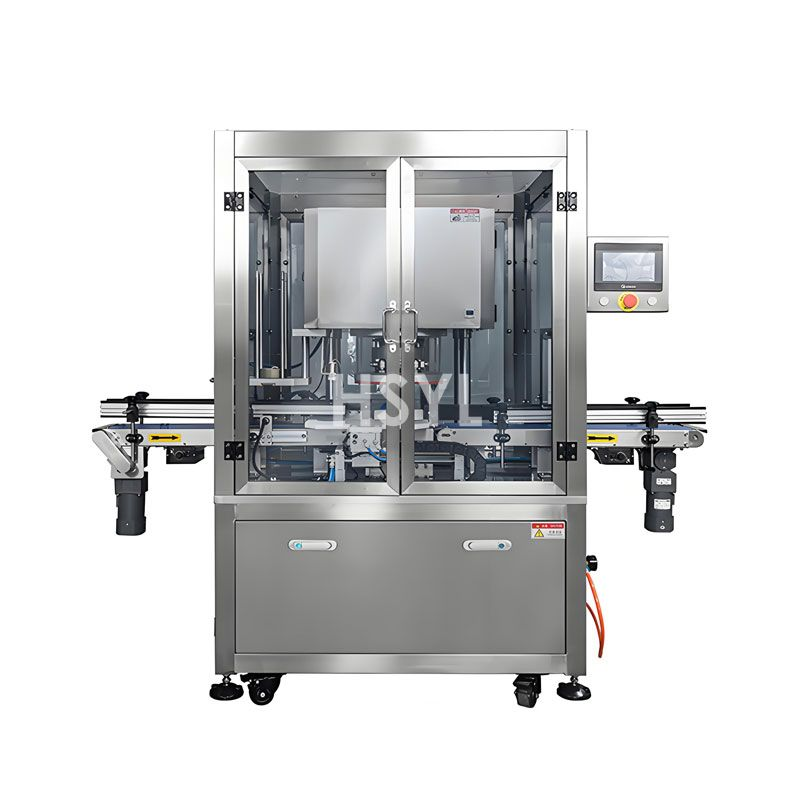
Connect canning syrup recipes, ingredient lots, preparation records and transfer...
Read more →Our professional team will provide you with the optimal food processing equipment solution. Contact us today for a detailed consultation.