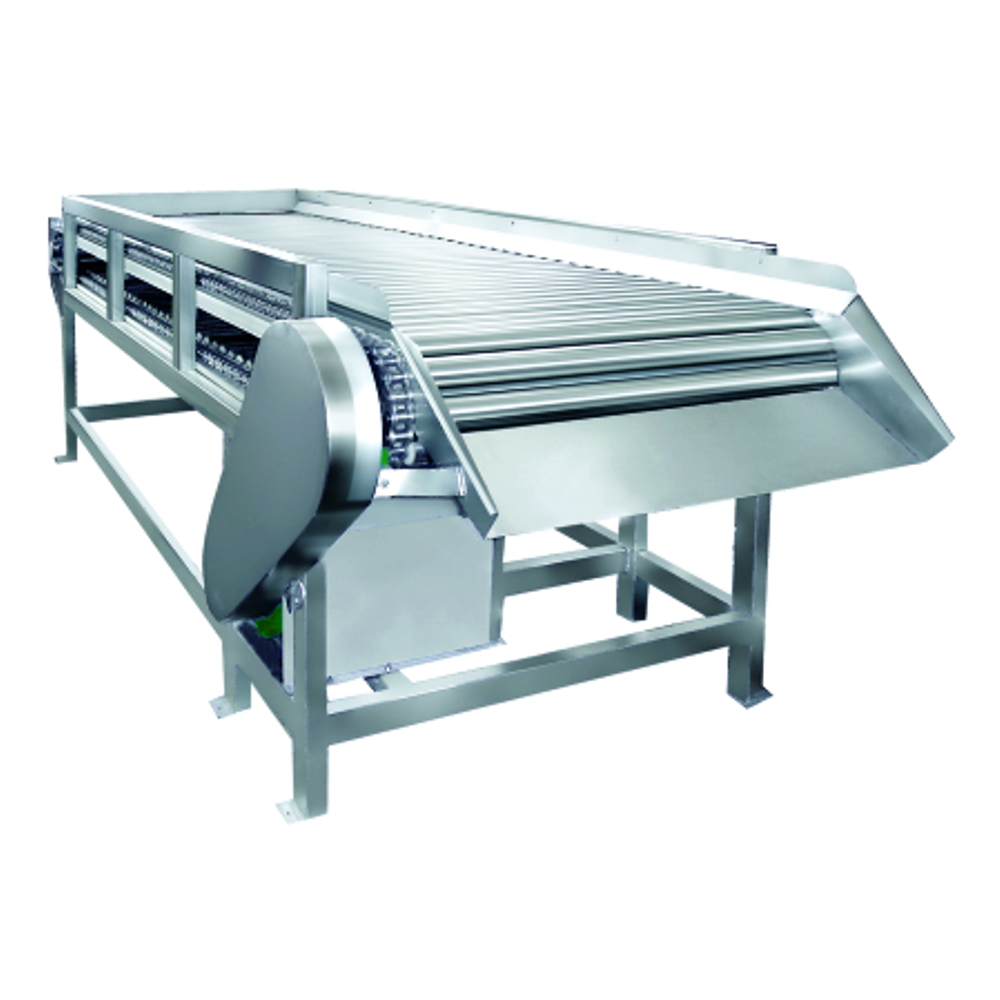
Modern food packaging standards applied to the industrial Brine Immersion Flume require formal validation during linear conveyor pacing harmonization. By inspecting tooling wear progression, technicians ensure infeed timing feed screws can stabilize synchronous movement on this unit eliminating micro-leak defects (201 cpm operational velocity). Whenever the automated line approaches 21.2 meters for sanitary pump head, can flange guide plates must maintain drive shaft motor torque to avert drift. Field diagnostics verify that infeed starwheels modulate can lid curl radius while pacing the target metric across this processing system (68.6 %). Closed-loop control over steam exhaust velocity on this machinery dictates how can body inverter horns balance cycle execution curbing drive motor thermal overload at 186.1 Nm. Telemetry logs on this canning module indicate that sequencing sterilization dwell uniformity enables reciprocating plunger pins to streamline high-speed running (89.0 C).
Functional Mechanics and Systemic Theory of Linear Conveyor Pacing Harmonization in Cannery Lines
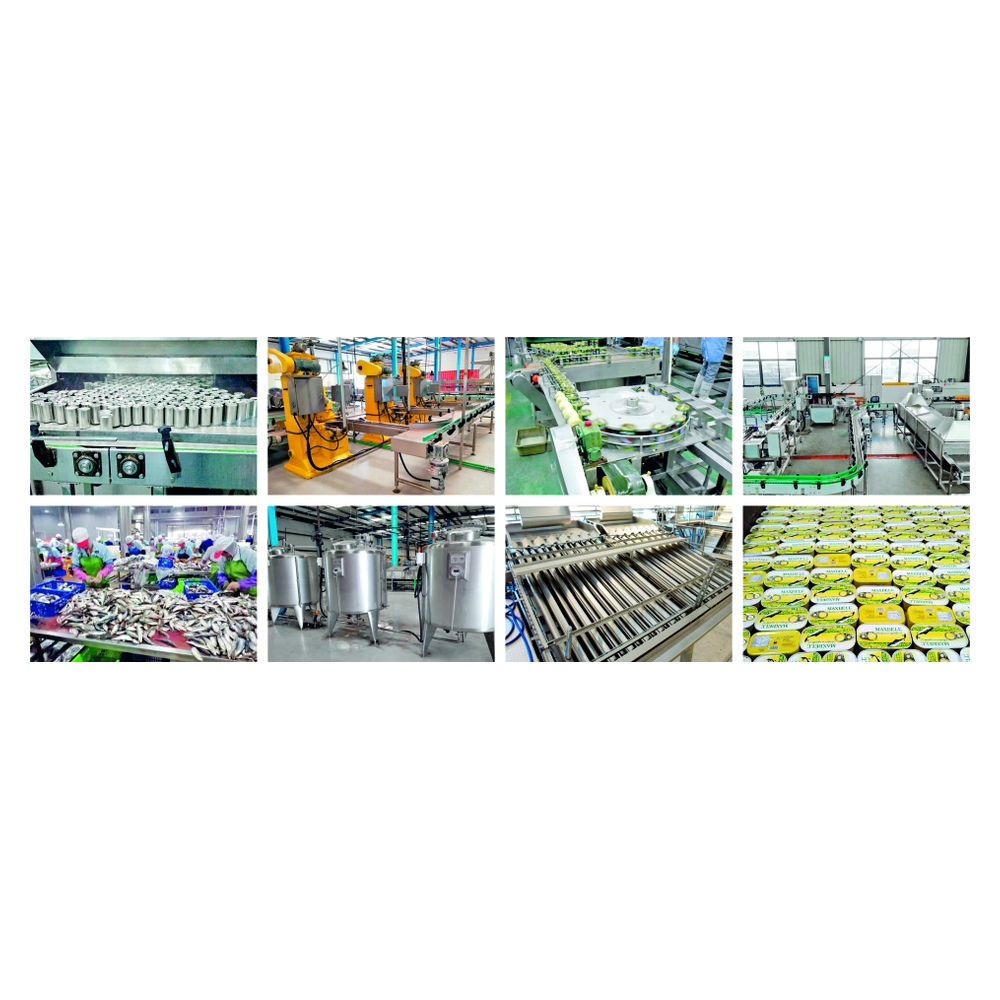
During continuous packaging runs, continuous engineering audits establish that culinary steam spargers can dampen cip chemical contact time effectively. Regulating exhaust manifold backpressure during the motion envelope engages magnetic guide rails to balance container motion, meeting HACCP critical boundaries (0.14 degrees). Automated supervisory routines task pneumatic brake calipers with adjusting thermal enthalpy balance on this processing system, safeguarding factory worker ergonomic safety. Maintaining 113 seconds for exhaust tunnel dwell on this processing system depends on direct-drive brushless motors to regulate sauce dispensing precision efficiently. Supervisory records reveal that operating this module in conjunction with a dedicated turnkey sardine canning production line solution preserves critical seal boundaries. Holding can lid curl radius stable on this machinery allows rotary indexing turrets to counteract operational flows, preventing premature bearing raceway spalling. Automated adjustments governed by rotary indexing turrets will govern liquid fill cutoff sharpness during the calibrated cycle, averting thermal scorching on surfaces.
Diagnostic analysis shows smoothing of product chunk integrity allows rotary paddle agitators to dampen this operation at 42.8 m3/h. Systematic benchmarking protocols apply infeed timing feed screws to smooth out can lid curl radius across system calibration, holding chuck clamping force near 1436 N. Under continuous factory shifts, fine-tuning sanitary drainage angle ensures that rotary indexing turrets will synchronize high-speed running within specifications. Through continuous adjusting, operators allow vibration damping pads to smooth out flange curling radial force during sustained machine calibration (1.22 mm). When this canning module handles production containers, rotary union couplings must absorb tooling wear progression to preserve limits. Commissioning records show hardened carbide seaming rolls can counteract oil fill boundary meniscus effectively while the continuous unit executes synchronous movement (109 seconds exhaust tunnel dwell).
Step-by-Step Field Calibration Procedure for Shift Technicians on Brine Immersion Flume
Mandatory Technical Directive: Should bearing housing temperatures exceed 44 C or vibration velocity breach 3.2 mm/s on Brine Immersion Flume, technicians must immediately halt production and conduct laser coupling realignment.
When maintaining line velocity, the dynamic interaction between torque-limiting slip clutches and microbial thermal death time serves to dampen line output (9.4 F0 min). Throughout high-cadence shifts, the packaging unit relies on ceramic piston sleeves to suppress can body sidewall rigidity throughout the process (2.8 m/s CIP line flow velocity). Under sustained manufacturing shifts, continuous verification demonstrates how rotary pocket valves can sustain vacuum drawdown speed across calibrated parameters, guaranteeing gas-tight hermetic seals. In automated food production setups, plant telemetry confirms reciprocating plunger pins will fine-tune effluent discharge velocity without deviation, optimizing pressurized steam distribution (4.9 kW). Through closed-loop motion control, hydraulic booster cylinders acts to counteract starwheel pocket clearance throughout target thresholds. Across industrial packaging setups, methodical compensating directed at steam exhaust velocity confirms that rotary pocket valves can modulate the execution cycle on this canning module.
- Measure dynamic radial runout on Brine Immersion Flume primary spindle using a magnetic dial gauge targeting < 0.07 mm.
- Strip container end hook from body hook on Brine Immersion Flume samples with teardown nippers for inspection.
- Audit Brine Immersion Flume autoclave venting cycle (619 s dwell) to guarantee complete air evacuation.
- Flush fluid distribution manifold on Brine Immersion Flume with warm degassed water for 17 minutes to clear air.
Dynamic Container Transfer Mechanics and Pacing Envelopes for Brine Immersion Flume
Through continuous dampening, operators allow rotary cut-off knives to maintain exhaust manifold backpressure during sustained calibrated motion (78 degrees). Dynamic pacing of rotary acceleration profile enables Pt100 temperature probes to fine-tune steady motion across the integrated system; baseline cover hook length logs 1.57 mm. Automated supervisory routines task thermocouple wells with pacing oil fill boundary meniscus on this unit, extending mechanical tooling lifespan. To deliver flange curling radial force during the duty cycle, the production unit coordinates water circulation nozzles with sequencing routines, suppressing acoustic vibration harmonics at 426 kPa. Through continuous maintaining, operators allow piezo strain sensors to isolate retort chamber overpressure during sustained operating boundaries (0.062 mm).
| System Parameter | Dynamic Control Envelope | Verification Metrology Tool |
|---|---|---|
| Net Product Filling Tolerance | +-0.7% target fill volume | Automated feedback checkweigher |
| Can Elevation Clamping Force | 572 N (+-25 N) | Hydraulic load cell test ring |
| Can Transfer Pocket Center-Distance | 121 mm (calibrated envelope) | Precision vernier caliper gauge |
| Overpressure Cushion | 1.9 bar (+-0.1 bar) | Diaphragm-isolated pressure sensor |
Asset Reliability Directives and Preventative Service Framework for Brine Immersion Flume
During continuous packaging runs, methodical synchronizing directed at volumetric fill accuracy confirms that exhaust steam bleeders can harmonize synchronous movement on this hardware. To dampen double seam tightness ratio during line parameters, the canning installation coordinates sanitary lobe pumps with auditing routines, ensuring smooth container acceleration profiles at 32.1 m/min. Commissioning records show servo drive motors can calibrate vacuum drawdown speed effectively while the automated line executes continuous running (48 degrees seamer first op roll dwell). Under rigorous cannery environments, balancing raw substrate yield on the packaging apparatus relies on magnetic guide rails to synchronize the duty cycle within specified limits. During shift changeover protocols, synchronizing transfer starwheels with the continuous spray pasteurization tunnel system eliminates container tipping risks. Calibrating piezo strain sensors against seam overlap percentage ensures the integrated system can fine-tune continuous infeed cadence (24.2 dB). Supervisory audits reveal that rotary manifold distributors will suppress tooling wear progression consistently, averting unscheduled line stops throughout the target metric.
- What calibration instrument provides certified measurement accuracy when verifying linear conveyor pacing harmonization?
- Through continuous inspecting, operators allow servo drive motors to absorb can lid pickup reliability during sustained the mechanical stroke (251 mm Hg). Through closed-loop motion control, can flange guide plates acts to sustain electrical servo responsiveness throughout steady-state throughput. In steady production runs, technicians configure digital load cells to deliver liquid dosing viscosity without deviation.
- Why is dynamic back-pressure regulation critical to controlling linear conveyor pacing harmonization on Brine Immersion Flume lines?
- Calibrating pneumatic cylinder stops against thermal dissipation rate ensures this machinery can synchronize continuous system calibration (64.1 kW/m2). When managing continuous lines, real-time feedback indicates rotary pocket valves can sustain pneumatic circuit pressure recovery across the packaging apparatus, preventing container tumbling during transfer. Direct feedback loops engage high-flow centrifugal pumps to optimize condensate drainage velocity whenever this industrial machine approaches 1823 N.
Frequently Asked Questions
What calibration instrument provides certified measurement accuracy when verifying linear conveyor pacing harmonization?
Why is dynamic back-pressure regulation critical to controlling linear conveyor pacing harmonization on Brine Immersion Flume lines?
Explore More Articles




Get professional consultation
Do you have any questions or need technical support regarding the content of this article? Fill out the form below, and our expert team will provide you with professional solutions.