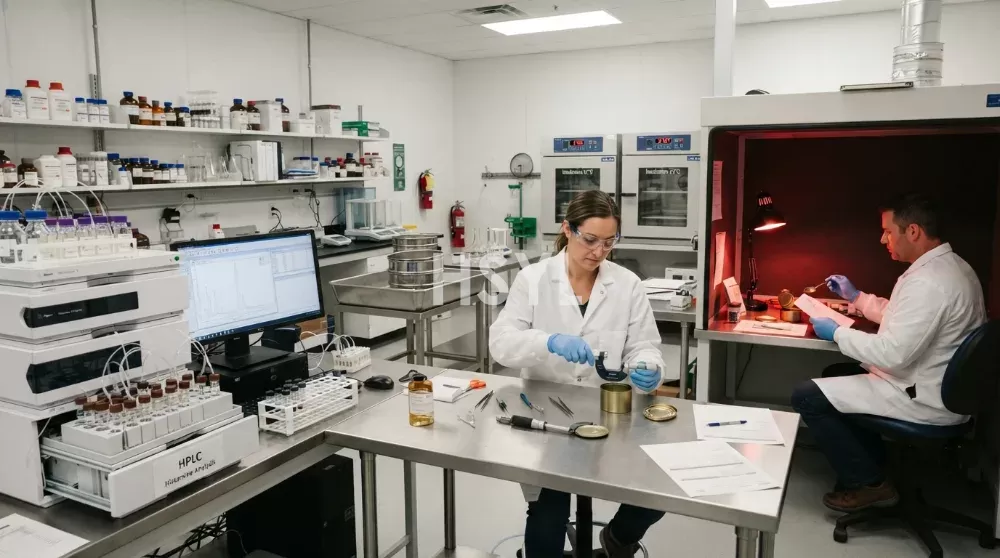
Sardine and Mackerel Canning: Small Pelagic Fish Processing Line
A sardine and mackerel canning line processes small pelagic fish — typically 10–...


Plan a sardine canning line for your finished product and production target. HSYL helps define the processing scope, automation level and factory requirements for new plants and existing-line upgrades.
A sardine canning project starts with the product you intend to sell: the fish presentation, packing medium, container and required output. These choices establish the basis for equipment selection and factory planning.For complete autoclave batch scheduling and facility sanitation planning, refer to our engineering overview on yellow croaker canning production line.
HSYL configures sardine canning solutions around your incoming raw material and agreed project scope. The proposal should identify which operations are included, how products move between them and where operator involvement is required.
Provide the intended product specification before comparing line configurations.
| Product decision | Details to confirm |
|---|---|
| Incoming fish | Fresh or frozen, size range, and whether fish arrive whole or prepared |
| Fish presentation | Headed and gutted fish, trimmed pieces or another specified format |
| Packing medium | Oil, brine, tomato sauce or another recipe |
| Container | Shape, dimensions, lid specification and intended fill weight |
| Product range | Recipes and can formats that will share the line |
Photos of the intended finished pack and samples of the can and lid help make the requirements clearer. If several products will share the line, identify the expected changeovers during a normal production week.
The configuration may include receiving and preparation, washing, product-specific treatment, fish packing, liquid dosing, can closing, thermal processing, cooling and final packaging.
The exact sequence depends on your product and process. Brining, pre-cooking and other treatment stages should be selected during process development rather than assumed to be necessary for every sardine product.
For a detailed breakdown of the individual stations, review our sardine canning line equipment and supply scope.
State your production target in finished cans per hour, together with the can format and planned operating hours. Also describe seasonal peaks and the number of recipes or formats you expect to run.
The proposed output needs to account for the complete system, including fish preparation, packing, seaming, retort scheduling and final handling. A single machine’s rated speed does not establish the sustained output of the entire line.
Capacity, staffing and utility requirements should be confirmed for the selected configuration and agreed operating conditions.
Define the equipment scope alongside the available building space and utility supply. Layout discussions should cover material receiving, processing areas, operator access, maintenance space, drainage, packaging storage and finished-product movement.
Identify who will provide the building work, utility systems, equipment connections, installation and commissioning. These responsibilities affect both the project budget and schedule.
Start with the limitation you need to resolve: insufficient output, excessive manual handling, difficult changeovers or a particular equipment bottleneck.
Provide the existing equipment list and operating conditions. Retaining suitable machines may be possible, subject to a review of capacity, interfaces, controls and condition.
Compare proposals against the same product, output and supply boundaries. Ask for equipment, format parts, utilities, installation services and exclusions to be listed separately.
Use the fish canning line cost and quotation guide to prepare your budget and identify costs outside the machinery package.
Send your fish specification, finished-pack requirements, can dimensions, target cans per hour and destination country. Include a factory layout if available, or describe the space and equipment you already have.
These details provide the starting point for discussing a suitable production concept, equipment scope and quotation.
Request a Sardine Canning Line Proposal


A sardine and mackerel canning line processes small pelagic fish — typically 10–...
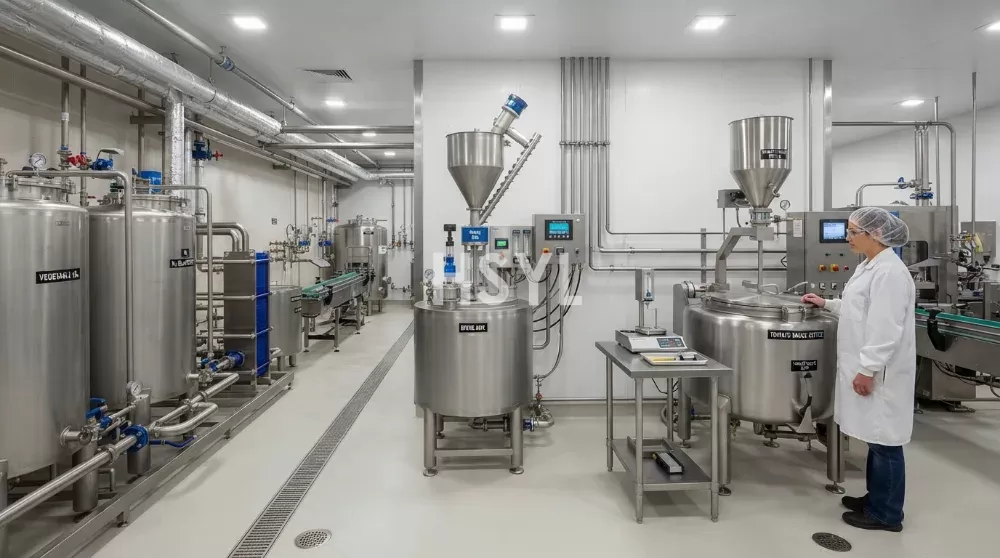
The filling medium — the liquid that fills the void spaces between the fish piec...
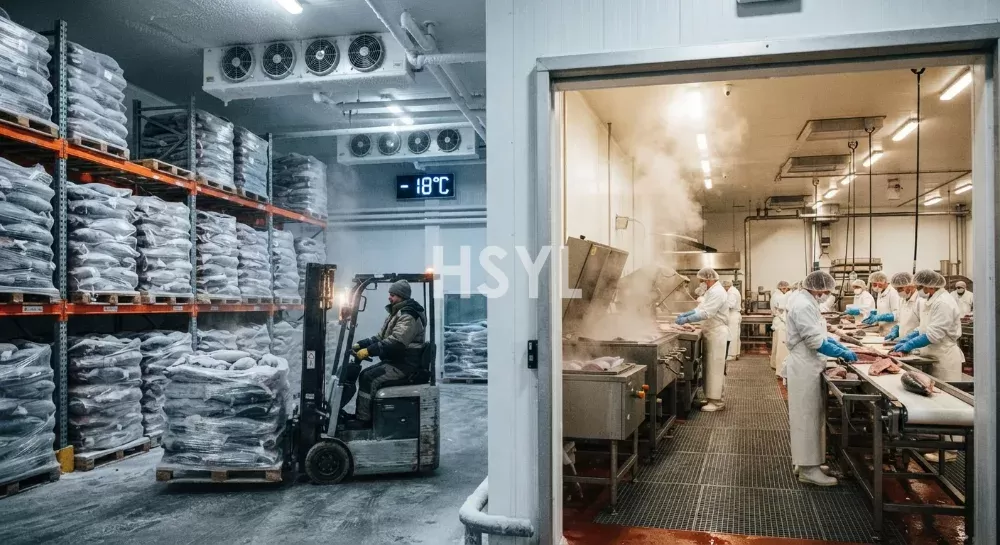
Direct AnswerThe most expensive asset in a fish cannery is not the retort or the...
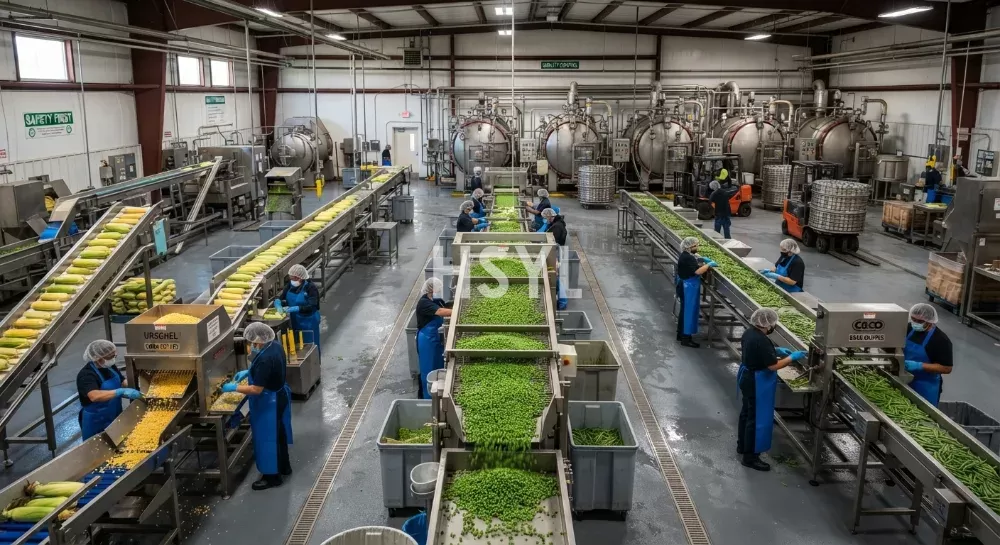
Direct AnswerA low-acid canned vegetable processing line — corn, peas, and green...