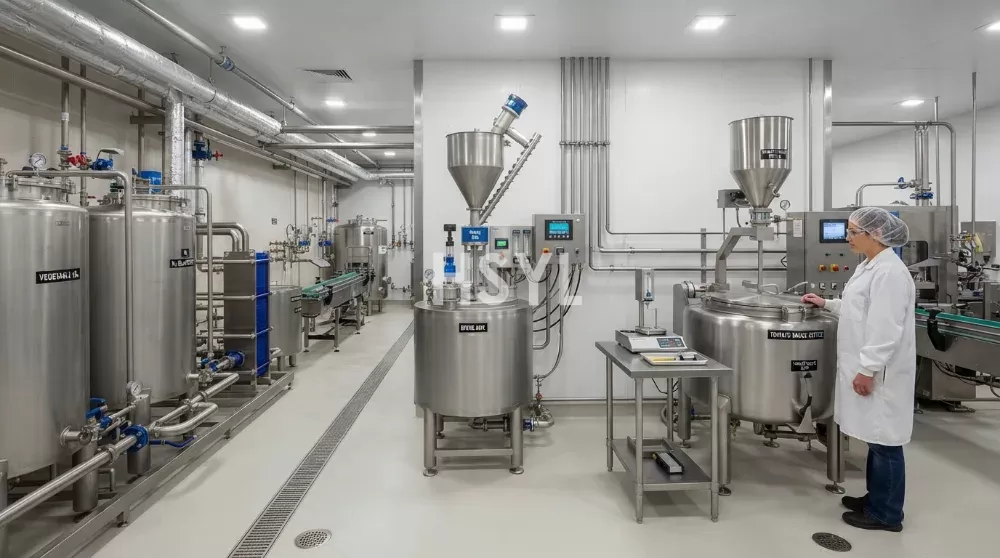
Canned Fish Filling Media: Oil, Brine, Tomato Sauce and Flavored Sauce Systems
The filling medium — the liquid that fills the void spaces between the fish piec...


Shrimp canning line equipment for industrial seafood processing, fully integrated from cooking to seaming and retort sterilization. Get a factory quote.
Our Shrimp Canning Line Equipment is a fully integrated production solution designed for seafood processing factories, central kitchens, and canned food manufacturers. Engineered for high-volume shrimp processing, this line enables automated cleaning, cooking, peeling, can filling, sealing, and sterilization. It is suitable for a wide range of shrimp products, including peeled shrimp, cooked shrimp, shrimp in brine, and ready-to-eat shrimp cans, allowing industrial operators to achieve consistent product quality while maximizing efficiency.For complete autoclave batch scheduling and facility sanitation planning, refer to our engineering overview on automatic sardine canning line equipment.
The processing route starts with the incoming shrimp condition. Whole shell-on shrimp, headless shrimp, peeled shrimp and pre-cooked shrimp require different preparation equipment. State the species, size grade and whether the material arrives chilled or frozen before selecting the line.
For shell-on material, establish the grading, cooking and peeling sequence around the species and proposed equipment. Cooking before peeling is appropriate for some processes, but it should not be presented as the only route. For prepared shrimp, identify the inspection and treatment steps still required before filling.
Evaluate peeling and handling using representative raw material. Check residual shell, broken pieces and usable meat yield against agreed criteria. Record whether the size grade refers to whole shrimp or peeled meat, and whether the count is stated per kilogram or per pound.
At filling, define the required presentation, net weight, drained weight where applicable, and brine or sauce quantity. Metal cans require compatible double-seaming equipment; glass jars require a closing system matched to their closures.
Select the retort arrangement around the established thermal process, container and required output. Batch or continuous operation must be confirmed in the equipment proposal. Follow the specified cooling and handling procedures before drying, coding and packing.
Industrial shrimp processing faces multiple challenges:
High labor costs: Manual peeling, cleaning, and filling require extensive staff. Automated lines significantly reduce labor requirements.
Yield loss: Inconsistent peeling and handling can reduce product yield; precise machinery preserves shrimp integrity.
Hygiene risks: Manual handling increases contamination risk; fully enclosed stainless-steel systems maintain sanitary conditions.
Inconsistent quality: Automation ensures uniform cooking, peeling, and can filling.
Capacity constraints: Manual or semi-automatic lines limit daily output; a fully automated line can handle large-scale production reliably.
Automation configured by station, with remaining operator tasks identified in the project scope.
Constructed with SUS304 / SUS316 stainless steel for durability and food safety.
PLC-controlled operations with touch-screen HMI for precise process monitoring.
Steam or hot water cooking with adjustable temperature and time settings.
Mechanical peeling and sorting for minimal product damage.
Can filling and sealing with high accuracy to reduce waste.
Retort configuration selected for the product, container, established thermal process and required output.
Modular design allowing flexible configuration and future line expansion.
Peeled or unpeeled shrimp in brine, oil, or sauce.
Ready-to-eat canned shrimp for retail and institutional markets.
Shrimp-based salads or seafood mixes for ready meals.
Industrial-scale central kitchen operations handling high-volume seafood processing.
The shrimp canning line can be configured for small to large-scale production:
Throughput ranges from 500–3,000 cans per hour depending on line length and automation level.
Single or multi-lane filling options for flexible output.
Customizable can sizes and formats, including glass jars or metal cans.
Optional pre-processing modules for raw shrimp grading and freezing.
Plan the movement of incoming shrimp, prepared product, shells, waste and packaging materials so that cleaning and handling can be managed effectively.
Confirm cleaning access for peelers, graders, conveyors and filling equipment. Where clean-in-place functions are supplied, identify the circuits they cover. These functions do not automatically clean every open product-contact surface or replace inspection and manual cleaning where required.
Cleaning methods and chemicals must follow the supplied equipment instructions. Review the procedures for changing between shrimp and other products, including any required allergen controls.
Assess labor requirements using the actual species, size range, incoming condition and output target. Preparation, residual-shell inspection, sorting, material replenishment, retort handling and packing may still require operators.
Compare the proposed arrangement with the existing process using the same product and output. Record the tasks removed, tasks retained and new monitoring or maintenance responsibilities. Labor savings should follow this assessment rather than a fixed percentage applied to every project.
Request a layout and equipment schedule that identifies supplied machines, existing equipment, utilities and transfer points. Installation, commissioning, training and spare-parts support should be stated in the agreed scope.
For product trials, define the incoming material and acceptance criteria before testing. Relevant checks include residual shell, product damage, usable yield, fill consistency and sustained output.
Confirm the material documentation and machinery conformity documents applicable to the quoted configuration. Equipment acceptance testing and documentation do not replace the processor's operating controls or establishment of the thermal process for the finished product.
For detailed technical consultation or to request a tailored shrimp canning solution, contact our engineering team today. We provide factory-specific line designs, capacity planning, and integration support to optimize your seafood processing operations


The filling medium — the liquid that fills the void spaces between the fish piec...
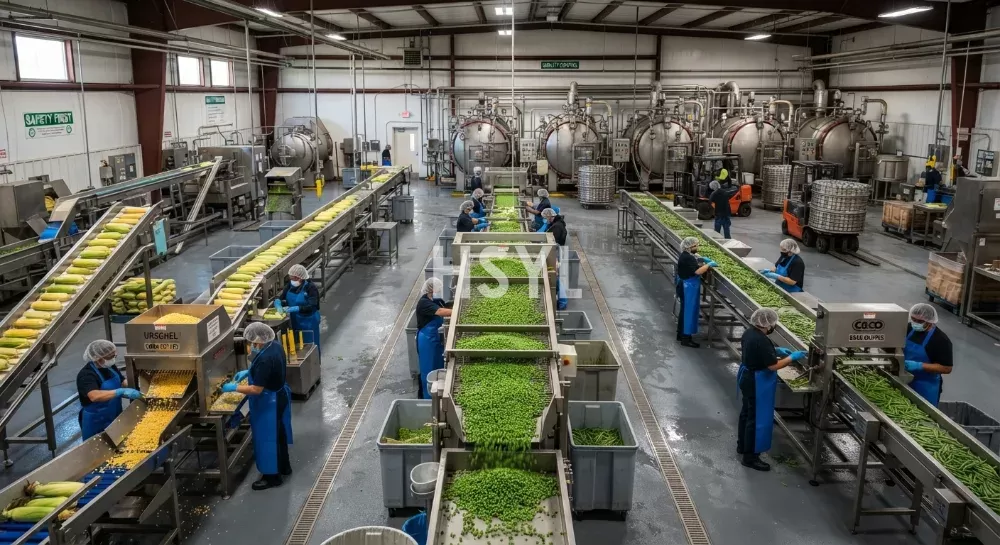
Direct AnswerA low-acid canned vegetable processing line — corn, peas, and green...
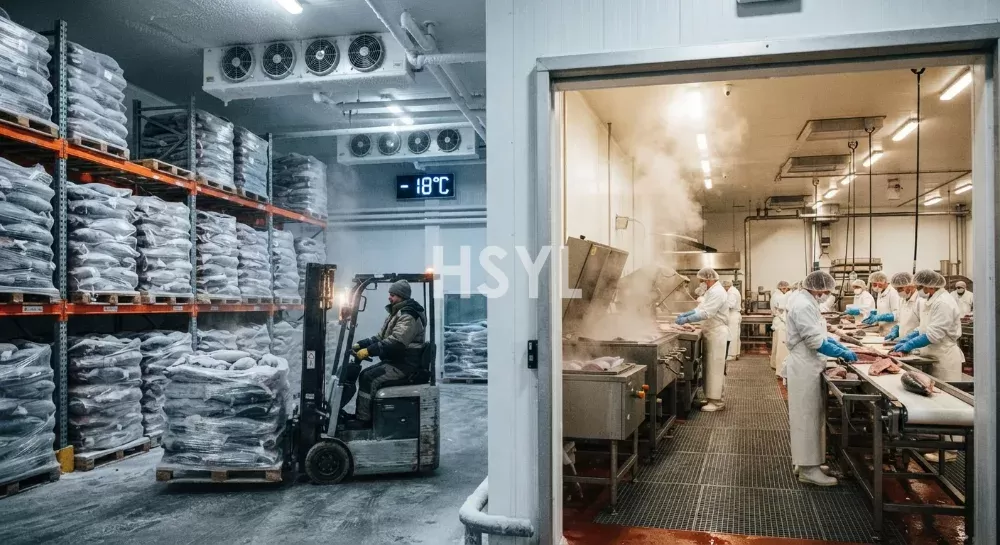
Direct AnswerThe most expensive asset in a fish cannery is not the retort or the...
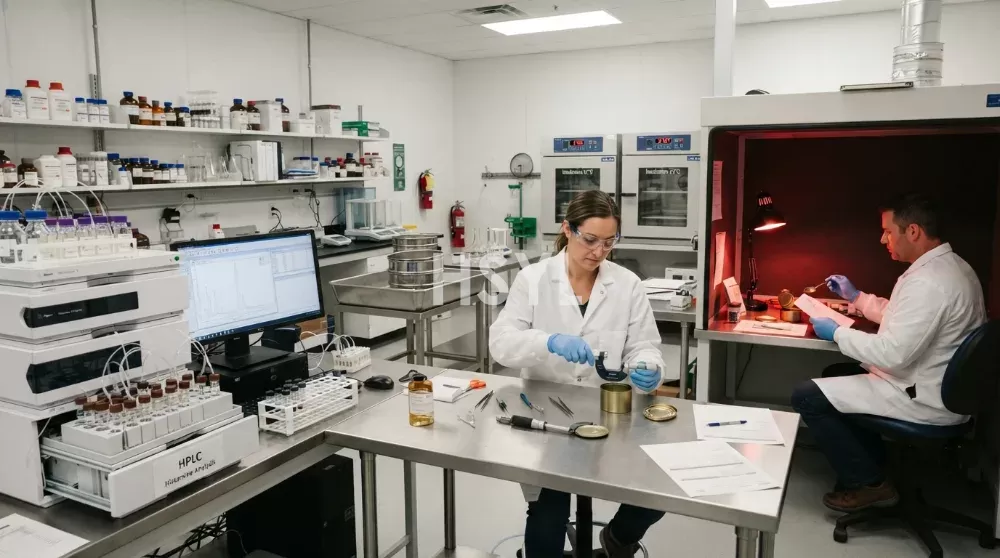
A sardine and mackerel canning line processes small pelagic fish — typically 10–...