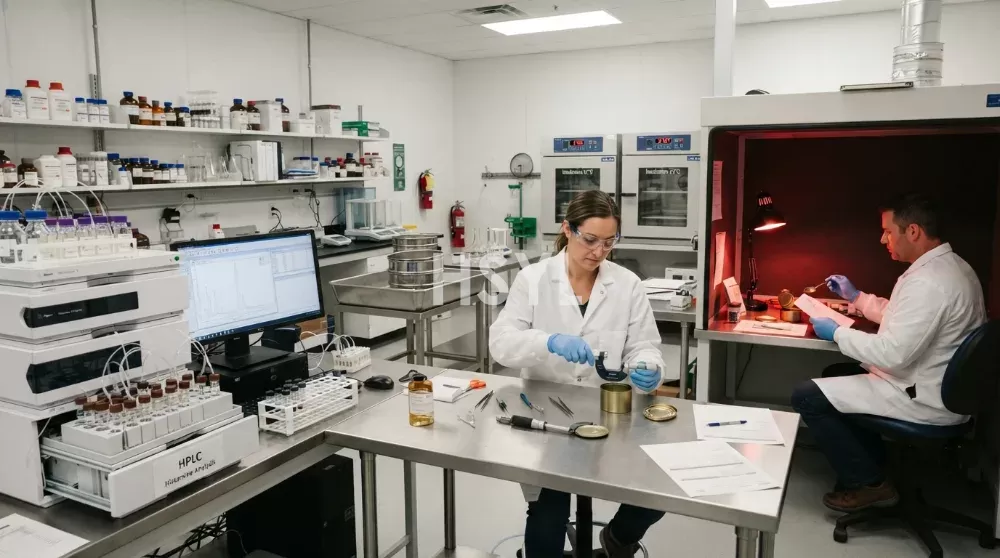
Sardine and Mackerel Canning: Small Pelagic Fish Processing Line
A sardine and mackerel canning line processes small pelagic fish — typically 10–...

Sea fish canning equipment configured around your species mix, can formats and seasonal production plan, with preparation and downstream capacity assessed together.
Plan your HSYL sea fish canning production line around the products you intend to produce and the raw material available throughout the year. A project covering several fish species needs a defined preparation route for each product and an assessment of which downstream machines can be shared.For complete autoclave batch scheduling and facility sanitation planning, refer to our engineering overview on blackfish canning production line.
The configuration should account for fish supply, container formats, recipe changes and the required finished output during each production season.
Project planning can cover sardines, mackerel, herring, anchovies and tuna, supplied fresh, frozen or as prepared portions. Each species and incoming material condition requires its own equipment assessment.
Finished products may include fish in oil, brine or sauce. For every planned product, record the fish specification, portion format, filling medium, can size and expected annual production volume.
This product list becomes the basis for selecting preparation modules, changeover parts and shared equipment.
Establish a separate flow sheet for each product. Whole small fish, whole tuna and purchased tuna loins require different preparation operations. Pre-cooking, trimming and packing must be arranged according to the selected process.
Common downstream stages include liquid dosing, headspace control, can seaming, closure inspection, retort processing, cooling and final packaging. Compatibility must be checked against each product and container combination.
When connecting preparation equipment to shared downstream machines, match transfer rates, batch sizes and permitted holding conditions. Include access for cleaning, inspection and waste removal in the layout.
Review the following changes before specifying a line for several products:
| Production Change | Items to Assess |
|---|---|
| Different fish species or size grades | Feeding, preparation tools, cutting settings, handling and product inspection. |
| Different portion formats | Packing method, fish fill target, portion arrangement and transfer damage. |
| Different can bodies or ends | Seamer tooling, conveyor guides, filling clearance and retort loading arrangement. |
| Oil, brine or sauce changes | Dosing components, mixing or heating requirements, cleaning and recipe controls. |
| Different finished recipes | Applicable scheduled process, production records, labels and batch identification. |
Confirm the compatible product range and required changeover procedure for each shared machine. Include cleaning, setup and first-product checks when calculating available production time.
| Item | Specification |
|---|---|
| Capacity | 1,500 – 12,000 cans/hour |
| Packaging | Tin cans, aluminum cans, easy-open lids |
| Material | SUS304 / SUS316 stainless steel |
| Control System | PLC + Touch Screen |
| Sterilization Method | Steam or water spray retort |
| Power Supply | 380V / 50Hz / 3 Phase (customizable) |
Maintain a documented specification for each fish product, including raw material controls, preparation requirements, fill conditions, container details and the applicable scheduled thermal process.
A qualified thermal processing authority should assess changes that may affect the established process, such as portion dimensions, formulation, fill weight or container format.
For shared equipment, define cleaning procedures, recipe identification and changeover checks. Where formulations introduce additional allergens, include the relevant cleaning and verification requirements.
Confirm the equipment documentation required for the destination market, including applicable material records, electrical documentation and pressure-vessel documentation.
Evaluate the project using the expected operating calendar for each product. Record raw material availability, planned production days, order quantities and changeover frequency.
Compare the cost of shared equipment and changeover parts with any dedicated preparation modules required. Include labor, utilities, cleaning, maintenance, packaging and cold storage where applicable.
Request output estimates for the intended product mix, including the effect of retort scheduling and changeovers. Base the investment assessment on these operating assumptions and documented trial results.
| Stage | Optional Equipment | Purpose |
|---|---|---|
| Raw Prep | Fish cutting & deboning machine | Faster prep |
| Cooking | Braising or blanching kettle | Uniform cooking |
| Filling | Servo filler | High accuracy |
| Sterilization | Water spray retort | Even heat distribution |
| Packaging | Carton packer / palletizer | End-of-line automation |
Professional sea fish canning production line manufacturer
Turnkey solutions from factory layout to commissioning
Export experience across Asia, Middle East, Europe, Africa
Reliable after-sales service and spare parts support
Planning to start or upgrade a sea fish canning project?
HSYL offers reliable, food-safe, and export-ready production lines tailored to your factory, recipes, and capacity.
📩 Contact us today for a quotation and layout plan.


A sardine and mackerel canning line processes small pelagic fish — typically 10–...
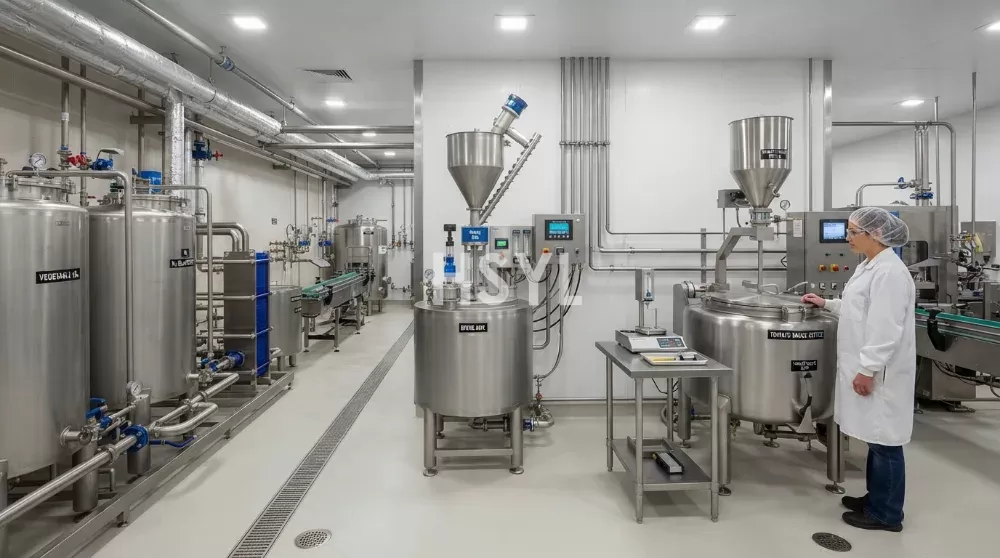
The filling medium — the liquid that fills the void spaces between the fish piec...
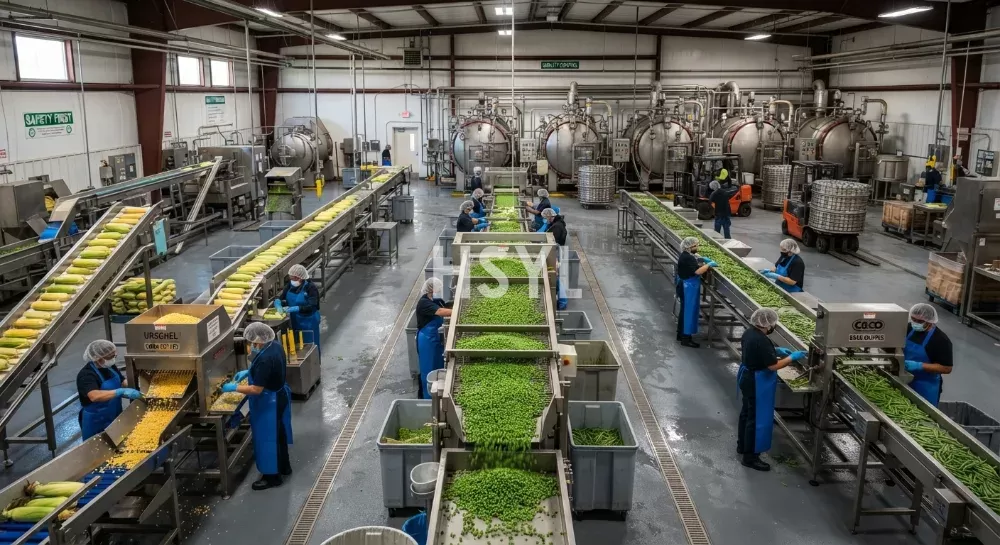
Direct AnswerA low-acid canned vegetable processing line — corn, peas, and green...
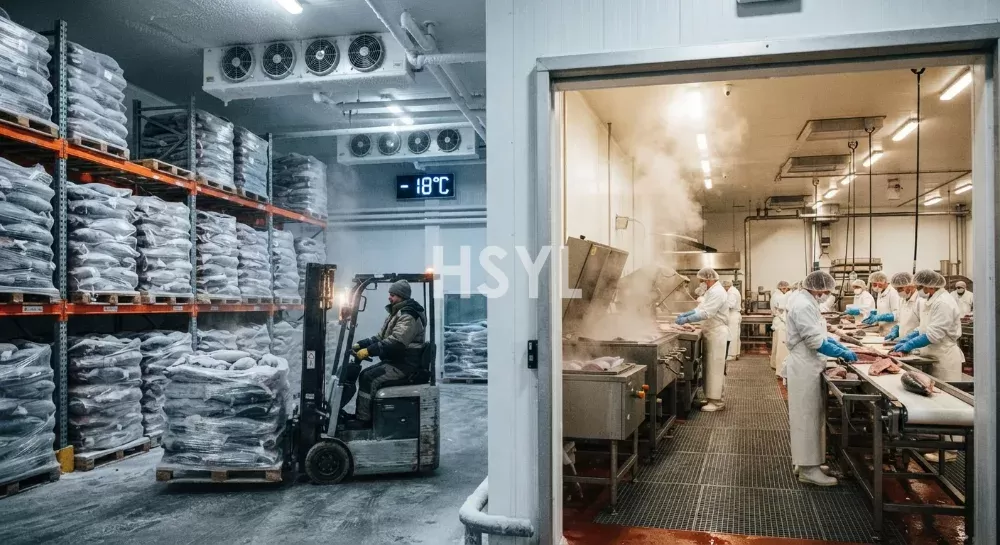
Direct AnswerThe most expensive asset in a fish cannery is not the retort or the...