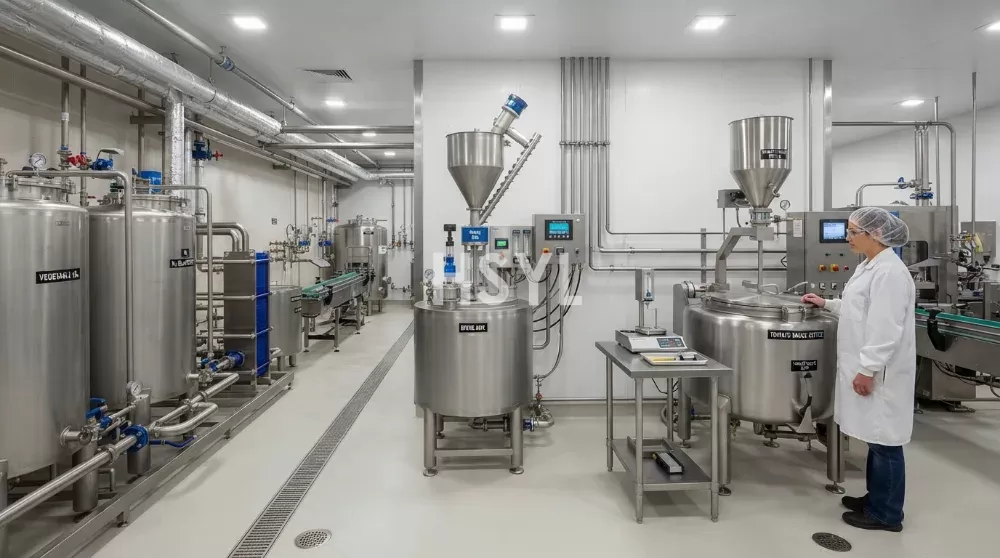
Canned Fish Filling Media: Oil, Brine, Tomato Sauce and Flavored Sauce Systems
The filling medium — the liquid that fills the void spaces between the fish piec...

A configurable canning line for snakehead portions in brine, oil or sauce, with preparation, packing and retort capacity matched to your product and factory requirements.
This page covers canning equipment for snakehead, referred to here as blackfish. The HSYL line is configured around the incoming fish, required portion format and finished canned recipe.For complete autoclave batch scheduling and facility sanitation planning, refer to our engineering overview on eel canned food production line.
For cross-cut portions, define the section thickness, skin condition, bone specification and arrangement inside the can. Fillet products require a different preparation and inspection scope. These details determine the cutting, handling and packing equipment included in the proposal.
Three specifications guide the configuration:
Raw material: Fish species, size range, fresh or frozen condition, and whether the material arrives whole, cleaned or portioned.
Finished pack: Can dimensions, fish fill target, portion presentation and the selected brine, oil or sauce.
Production requirement: Finished cans per shift, product changeovers, available utilities and existing equipment to be integrated.
| Specification Parameter | Technical Data |
|---|---|
| Model Configuration | HSYL-BC150 Turnkey Line |
| Production Capacity | 60 - 150 cans / min (Adjustable via VFD) |
| Target Species | Snakehead; other fish species require a separate equipment and process assessment. |
| Applicable Containers | Tinplate, Aluminum, Easy-Open Ends (EOE) |
| Total Installed Power | Approx. 90 kW |
| Standard Power Supply | 380V / 50Hz / 3 Phase (Customizable) |
| Steam Consumption | 1200 -1500 kg / h (Operational pressure: 0.6 - 0.8 MPa) |
| Compressed Air Requirement | 0.6 MPa / 2.5 m³ / min |
| Line Footprint (L×W×H) | Approx. 26,000 x 4,500 x 2,800 mm |
| Core Material Grade | SUS304 / 316L Food-Grade Stainless Steel |
The preparation section depends on whether the factory receives whole fish, cleaned fish or ready-cut portions. Specify the required washing, descaling, heading, gutting, trimming and cutting operations before selecting equipment.
For cross-cut snakehead portions, assess section thickness and diameter against the can opening and internal depth. Packing trials should check portion fit, arrangement, fill weight and damage during transfer.
For fillet products, define skin and bone requirements separately. Any bone-removal and inspection steps must be included in the agreed preparation scope.
Select the dosing system using the actual filling medium. Brine, chili oil and sauces containing suspended ingredients can require different pumps, valves, nozzles and mixing arrangements.
Provide the formulation, viscosity at filling temperature, particle size and target dose for assessment. Where heating or agitation is required, identify these functions in the equipment list.
Fish fill weight and liquid dose should be evaluated separately. Product trials should also assess dripping, sauce distribution and the cleanliness of the can sealing area.
Seamer tooling must match the specified can body and end. The process should define headspace control, closure inspection, transfer to the retort and batch identification.
The scheduled thermal process must be established for the actual recipe, portion dimensions, fill conditions and container. Retort operating records support process monitoring; product heat-penetration studies and process validation require a separate technical assessment.
Evaluate fish texture, portion integrity and sauce appearance after the complete processing cycle. Acceptance criteria should describe the required finished product rather than rely on a general promise to preserve texture.
Calculate finished output across the complete line, including fish preparation, packing, liquid dosing, seaming and retort scheduling. Allow for changeovers, cleaning, batch handling and planned operating time.
Confirm electricity, steam, cooling water, compressed air and drainage requirements against the selected equipment list. Utility planning should account for equipment operating simultaneously and the available site supply.
Define cleaning procedures for each module, including access to cutting surfaces, packing equipment and sauce-contact components. Any clean-in-place provision should identify the specific circuits covered.
Agree on factory acceptance tests using representative fish portions, filling medium and containers. The project scope should state the inspection criteria, supplied documentation, spare parts, installation responsibilities and training arrangements.
Confirm the manufacturing and delivery schedule after the configuration, tooling and acceptance requirements have been agreed.
To acquire precise capacity configurations, utility consumption models, or detailed 3D facility layout blueprints for the Automatic Blackfish Canning Production Line, please contact our engineering division. Request a formal technical quotation and schedule a consultation to discuss your specific container dimensions and target output requirements.


The filling medium — the liquid that fills the void spaces between the fish piec...
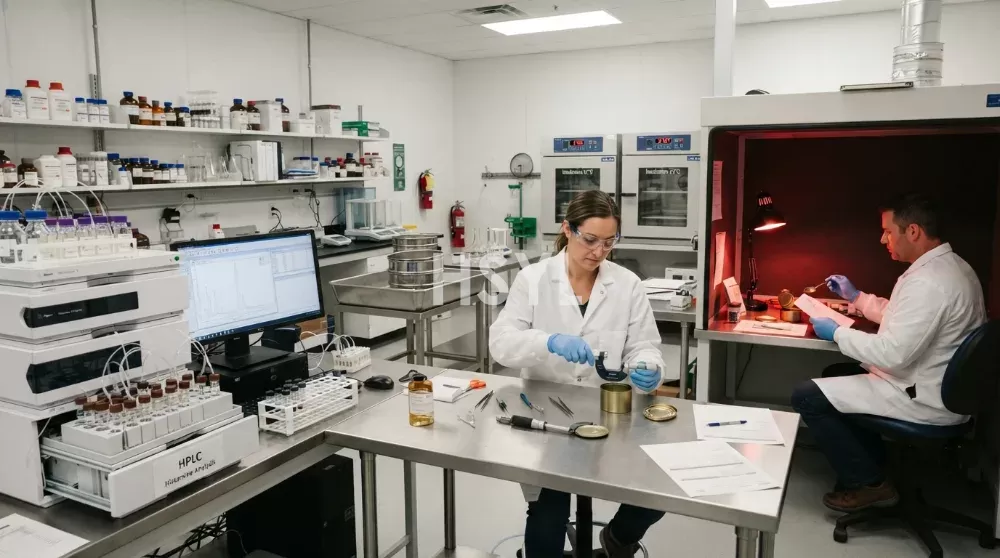
A sardine and mackerel canning line processes small pelagic fish — typically 10–...
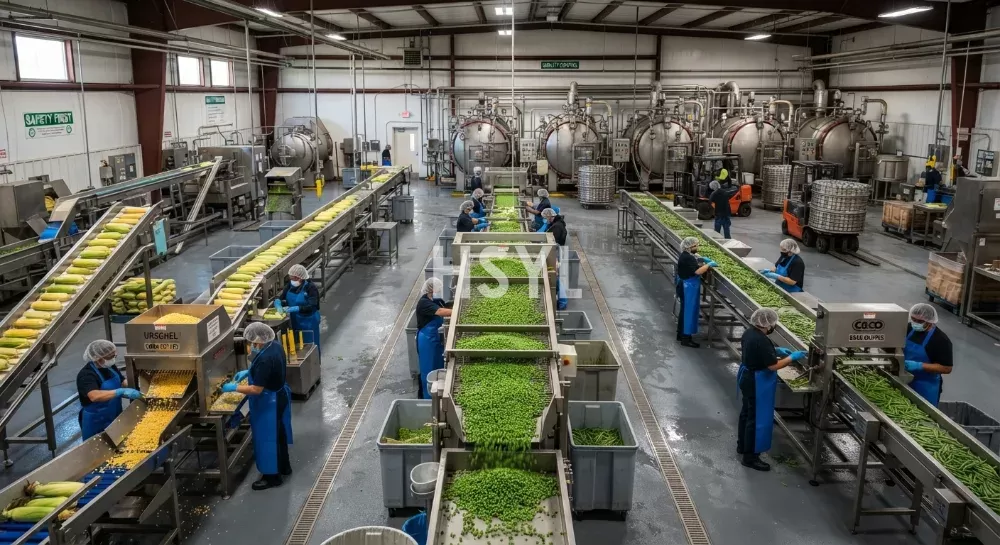
Direct AnswerA low-acid canned vegetable processing line — corn, peas, and green...
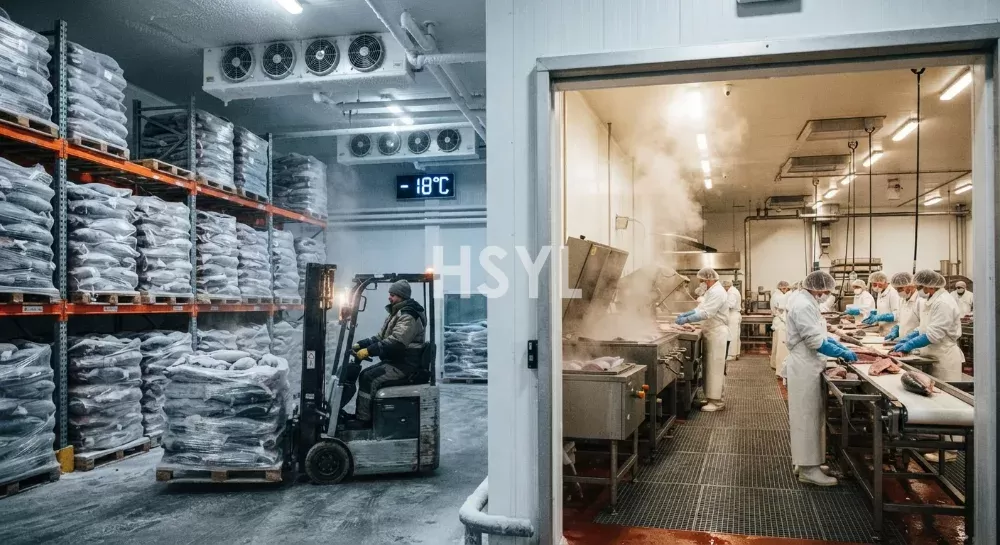
Direct AnswerThe most expensive asset in a fish cannery is not the retort or the...