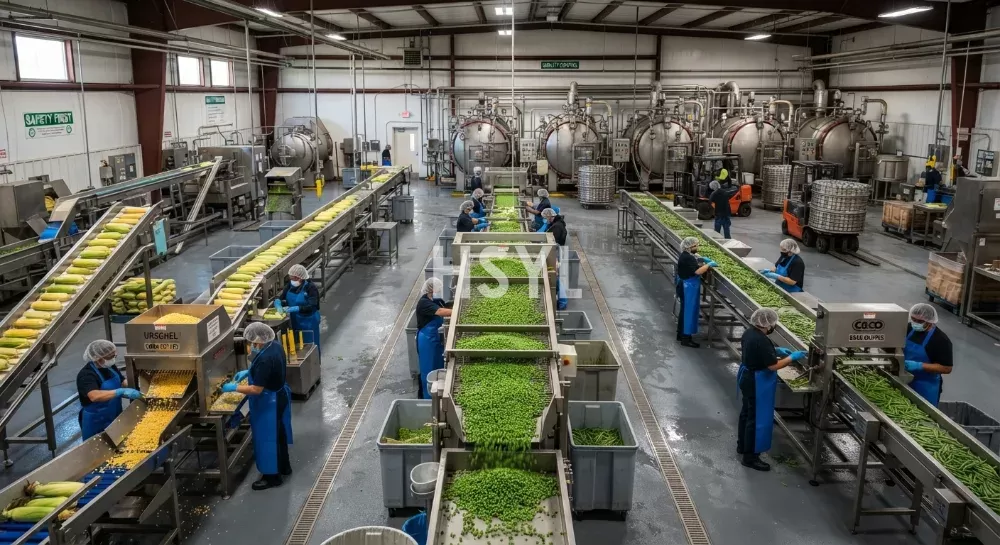
Low-Acid Canned Vegetables: Corn, Peas and Green Beans Processing Line
Direct AnswerA low-acid canned vegetable processing line — corn, peas, and green...


Review the equipment modules required for your sardine canning process. Define each station’s duty, automation level, container compatibility and connection to the rest of the line.
A sardine canning equipment package should identify each machine’s purpose and the conditions under which it will operate. This makes it easier to compare quotations, plan installation and assess compatibility with existing equipment.For complete autoclave batch scheduling and facility sanitation planning, refer to our engineering overview on choosing food sterilization equipment pasteurization.
HSYL can discuss individual processing modules or a coordinated equipment package. The final supply list is established around your fish specification, container, process and output requirement.
For overall factory planning, start with the sardine canning production line solution.
The table below is a scope checklist. It is not a statement that every machine is included in every quotation.
| Equipment section | Duty to define | Information needed for selection |
|---|---|---|
| Receiving and preparation | Present fish to the process in the required condition | Incoming condition, size range and preparation already completed |
| Heading, gutting and trimming | Prepare the specified fish presentation | Required cuts, acceptable product condition and manual inspection duties |
| Washing and treatment | Clean or treat fish according to the selected process | Product flow, washing requirements and any brining or cooking stages |
| Can feeding and fish packing | Supply containers and place fish into them | Can geometry, pack arrangement, fill target and operator involvement |
| Liquid dosing | Add the specified oil, brine or sauce | Recipe characteristics, dosing range and cleaning requirements |
| Can seaming | Close the selected can and lid combination | Container specifications, format range and required operating speed |
| Retort and handling | Process packaged product under the established thermal process | Container loading arrangement, batch schedule and handling method |
| Final packaging | Prepare finished cans for storage or dispatch | Drying, coding, labeling, case format and handling requirements |
Identify which tasks are automatic, assisted or manual. This should include feeding fish, arranging them in cans, loading retort baskets, moving finished product and changing formats.
Where manual work remains, ask for the workstation arrangement and staffing assumptions. Where automated equipment is proposed, confirm the material presentation it requires at the infeed.
Automation should be described through actual machine functions rather than a single label applied to the whole package.
Provide can and lid specifications for every format you intend to run. Round and non-round containers may require different handling arrangements and closing equipment.
Confirm which format parts are included, how changeovers are performed and whether additional tooling is required for future containers. Compatibility should be checked for the complete product path, including conveyors, fillers, seamers and retort loading equipment.
Before finalizing the equipment list, review:
Infeed and discharge heights, conveyor widths and product direction.
Required operating rates and arrangements for temporary stoppages.
Control responsibilities and communication between supplied machines.
Electrical, steam, water, cooling and compressed-air connections.
Access for cleaning, inspection, maintenance and component replacement.
For an existing factory, supply the specifications of the equipment that will remain in service. Photos and layout dimensions can support the review, while final interfaces need confirmation before manufacture or installation.
For each quoted machine, ask the proposal to identify its duty, configuration, capacity basis, utility requirements and included accessories.
The package should also distinguish included equipment from optional items and buyer-supplied systems. Confirm the scope of installation, commissioning, training, initial spare parts and acceptance testing.
Discuss any required drawings, manuals, material records and destination-specific documentation at the quotation stage. Delivery requirements should be agreed for the selected equipment and project.
For help comparing the total scope, see the fish canning line cost guide.
Send the processing stages you need, fish specification, can and lid details, target output and destination country. If you are replacing or adding a machine, include its position in the existing line and the equipment connected to it.
Our team can use this information to discuss the relevant modules and define the next technical details needed for a quotation.
Discuss Sardine Canning Equipment with HSYL


Direct AnswerA low-acid canned vegetable processing line — corn, peas, and green...
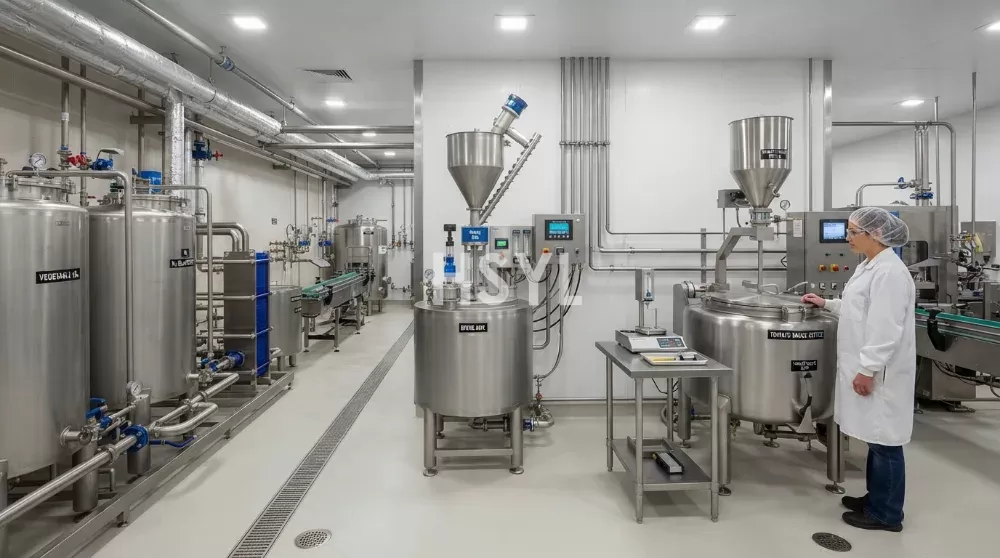
The filling medium — the liquid that fills the void spaces between the fish piec...
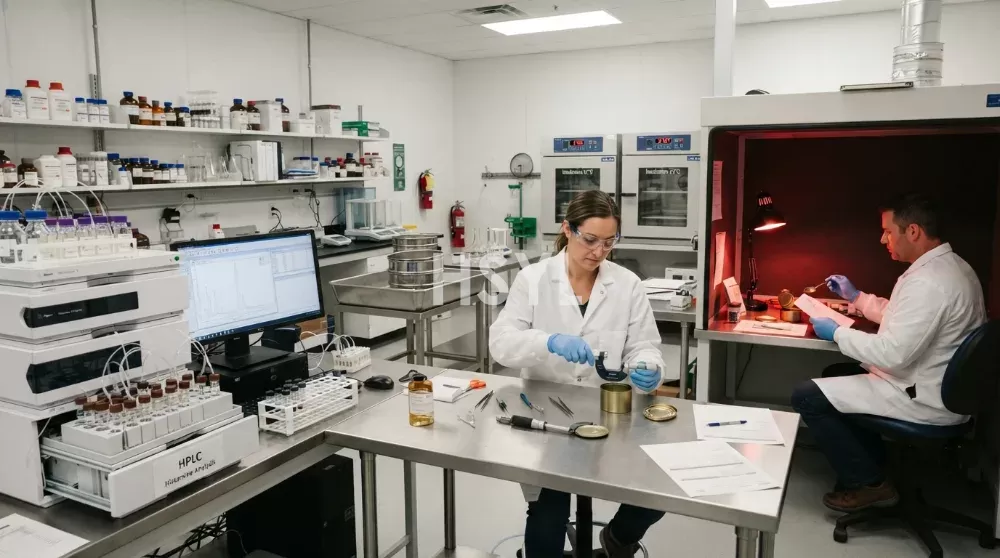
A sardine and mackerel canning line processes small pelagic fish — typically 10–...
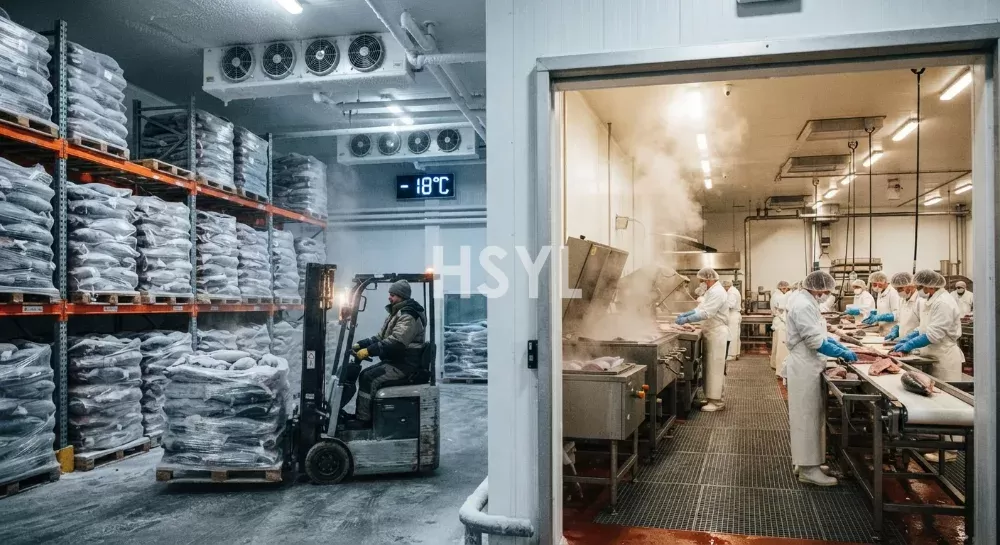
Direct AnswerThe most expensive asset in a fish cannery is not the retort or the...