A mixed-vegetable can can have the intended total weight while containing a different component distribution from the product specification. A filling trial therefore needs to examine the mixture as well as the combined quantity.
Begin with the approved formulation and assessment method. The trial should explain what reaches the container and where any distribution change appears.
Define the component basis
Identify each vegetable component, its prepared form and the formulation reference. The product team should establish the relevant acceptance criteria and method. This guide supplies no universal component ratio for mixed vegetables.
Record whether components are mixed before filling or introduced separately. These are different material-handling arrangements and need their own trial basis.
Observe the feed before blaming the dosing point
Check the mixture supplied to the filler using an agreed method. Look for changes during holding, replenishment and transfer. If the feed reaching the machine differs from the intended mixture, final-container observations alone may not locate the cause.
| Observation point | Connection to retain |
|---|---|
| Prepared components | Product identity and relevant variation |
| Mixed feed | Actual preparation and transfer arrangement |
| Trial containers | Sample identity, time and measured result |
| Operating events | Replenishment, stops and adjustments |
| Review decision | Supported findings and the next evidence needed |
Use competent personnel and approved safe observation methods. Do not reach into operating equipment to obtain a sample.
Keep sequential evidence
Preserve individual sample results rather than only a final average. If the trial investigates a restart or replenishment event, identify the samples before and after it. Keep total fill and component assessment separate where both are required.
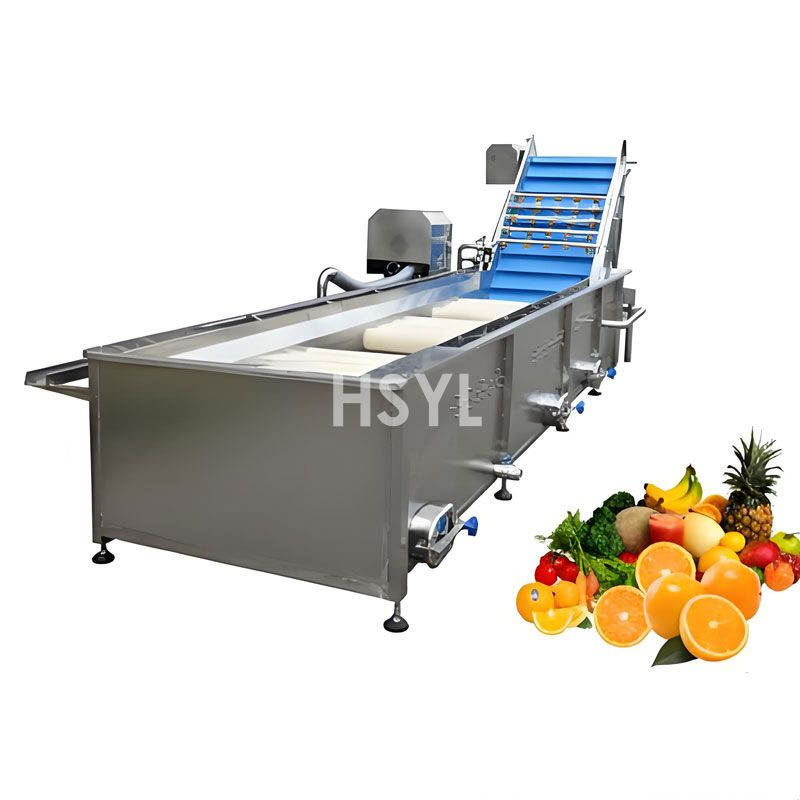
A vegetable washing module illustrates part of the wider preparation route. The fruit and vegetable solutions discussion should identify the actual preparation and filling configuration for the intended mixture.
Review proposed changes at the correct level
An equipment change requires evidence about the affected handling function. A formulation or particle-form change may also require process and product review. Do not adjust a recipe to make a short demonstration easier without retaining the authorization and its consequences.
The particulate soup filling guide offers a related solids-and-liquid assessment principle, while the vegetable process guide connects the handoffs. They do not establish that the same filler or settings suit every mixture.
Close the trial with the tested material range, configuration, accepted result and unresolved questions. The conclusion should explain distribution evidence rather than allowing a satisfactory total weight to conceal a different pack composition.
Frequently Asked Questions
Can total fill and component results share one average?
Is separation always caused by the filler?
Can a soup trial prove mixed-vegetable performance?
Who determines acceptable proportions?
Related Articles




Get professional consultation
Do you have any questions or need technical support regarding the content of this article? Fill out the form below, and our expert team will provide you with professional solutions.