Canned Fish Filling Media: Oil, Brine, Tomato Sauce and Flavored Sauce Systems
The filling medium — the liquid that fills the void spaces between the fish piec...

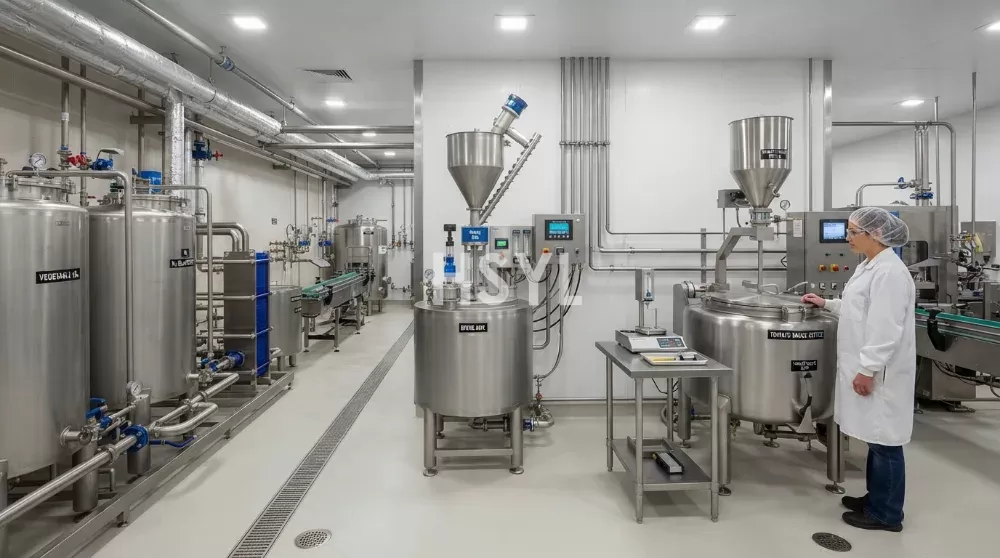
Industrial automatic tomato sauce production line engineered for 28-30% Brix output. Features Hot Break technology, vacuum evaporation, and SUS316L construction.
Manufacturing commercial-grade tomato sauce and paste requires precise thermodynamic control to prevent lycopene oxidation while maintaining strict rheological stability. The primary failure point in standard processing is the premature enzymatic breakdown of natural pectins, resulting in serum separation during extended shelf storage. This automated production line integrates continuous mechanical extraction with isolated thermal phases—specifically Hot Break pre-heating and low-temperature vacuum evaporation. By stabilizing the cellular matrix of the raw fruit before concentrating it to a standard 28-30% Brix, the plant secures consistent viscosity, vibrant natural color, and prolonged microbial safety. Designed for continuous shift operations, this facility manages the entire sequence from bulk raw fruit reception to final aseptic sterilization.
| System Parameter | Standard Engineering Data |
|---|---|
| Standard Configuration | TSP-2000 (Turnkey Sauce Plant) |
| Raw Material Input | 2,000 kg/h (Fresh field tomatoes) |
| Estimated Output | 400 - 450 kg/h (Standardized 28-30% Brix) |
| Total Installed Power | Approx. 165 kW (380V / 50Hz / 3-Phase) |
| Industrial Steam Demand | 1,500 kg/h (Required at 0.6 - 0.8 MPa pressure) |
| Cooling Water Requirement | 30 m³/h (Managed via closed-loop cooling tower) |
| Extraction Protocol | Hot Break (85°C - 95°C) or Cold Break Options |
| Recommended Layout Footprint | 40m x 10m x 6m (L x W x H) |
Achieving a condiment with stable shear-thinning properties means thermal exposure must be calculated meticulously. We engineered this line to target the specific processing friction points encountered when transferring high-viscosity biological slurries through extensive pipe networks.
To establish a fully functional commercial output, primary processing units must integrate with upstream material preparation. Facilities often route the discharge of a dedicated fruit and vegetable processing line directly into the primary crusher of this sauce plant, maintaining a continuous, automated flow from bulk bin unloading to the Hot Break holding tanks.
Continuous sauce manufacturing relies heavily on synchronized fluid dynamics. Following the refinement stage, the formulated base is pumped into the vacuum evaporator until the base Brix reaches the precise formulation target. Because the viscosity of the fluid increases exponentially as water is removed, the evaporator utilizes heavy-duty positive displacement lobe pumps. These pumps maintain a constant flow rate without subjecting the concentrated paste to extreme mechanical shear, which could damage the cellular structure.
Prior to final packaging, the high-Brix sauce is forced through a two-stage homogenizer operating at 20 MPa. This intense mechanical pressure reduces the tomato fibers to micro-particulates, permanently binding the water and solid matter to eliminate fluid pooling inside the final container. The completed mixture is then sterilized in a concentric tube-in-tube heat exchanger at 105°C for 30 seconds, followed by an immediate temperature drop in the cooling section.
Operating a 2,000 kg/h plant demands robust utility synchronization. In facilities executing extended continuous shifts, the accumulation of organic fouling inside heat exchangers typically forces production halts. Our system utilizes oversized, highly polished corrugated inner tubes within the sterilizer module to drastically reduce the fouling coefficient, extending the continuous processing window before a mandatory CIP cycle is triggered.
Additionally, the central Siemens PLC control architecture provides plant engineers with absolute transparency. Automated inline Brix refractometers and mass flow meters transmit live data to the HMI. If the final pasteurization temperature drops below the critical 105°C threshold, a pneumatic flow-diversion valve automatically loops the sauce back into the buffer tank, physically preventing unsterilized product from entering the downstream liquid filling machine.
Food processing infrastructure deployed for highly acidic commodities must be manufactured to exacting standards. All internal welding seams undergo argon-shielded TIG welding and subsequent chemical passivation to restore the chromium oxide layer. The electrical panels are constructed using CE-marked contactors, overload relays, and shielded cabling to withstand high-pressure facility washdowns. Our technical teams provide comprehensive site layout engineering, specific utility consumption mapping, and Turnkey Installation & Commissioning (I&C) services, ensuring the deployed system meets FDA and GMP directives right on your factory floor.


The filling medium — the liquid that fills the void spaces between the fish piec...
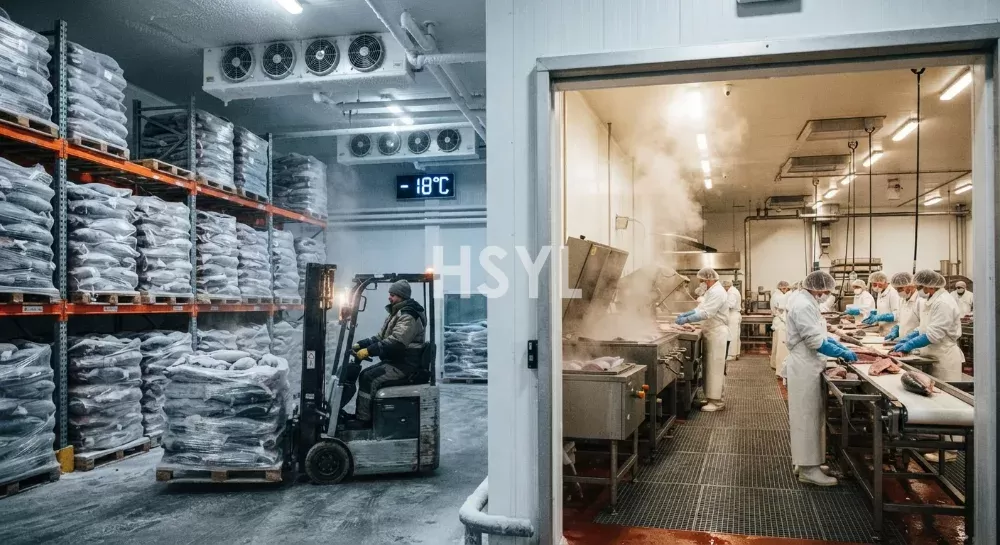
Direct AnswerThe most expensive asset in a fish cannery is not the retort or the...
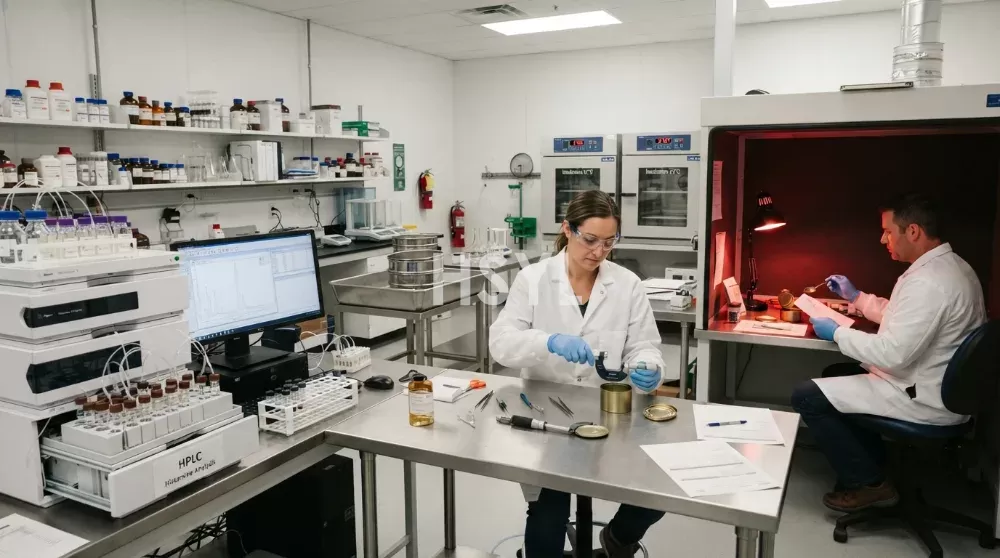
A sardine and mackerel canning line processes small pelagic fish — typically 10–...
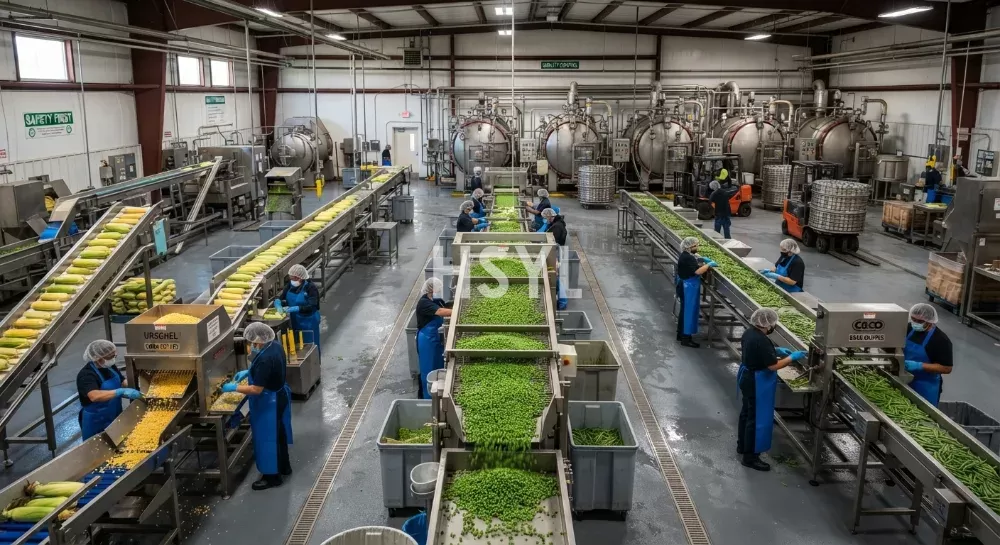
Direct AnswerA low-acid canned vegetable processing line — corn, peas, and green...