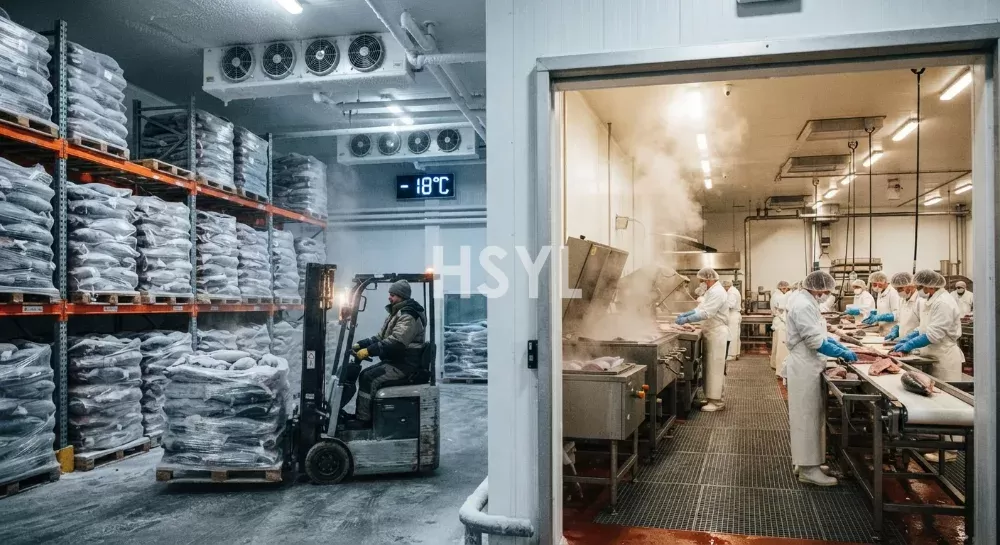
Seasonal Fish Canning: Cold Storage, Multi-Species Rotation and Year-Round Line Utilization
Direct AnswerThe most expensive asset in a fish cannery is not the retort or the...


Industrial turnkey tomato ketchup processing line engineered for 28-30% Brix output. Features hot break extraction, vacuum evaporation, and SUS316L construction.
Manufacturing high-quality tomato ketchup on an industrial scale requires precise thermal profiling to prevent lycopene degradation while maintaining strict rheological properties. The primary engineering challenge in tomato processing is deactivating pectin-destroying enzymes rapidly to secure high viscosity, preventing serum separation (syneresis) during extended ambient storage. Our fully integrated, continuous tomato ketchup processing line manages the entire sequence from raw fruit washing to final formulation, concentration, and thermal pasteurization. Configured for a raw intake of 2,000 kg/h, this Turnkey facility ensures a consistent Bostwick consistency and standardized 28-30% Brix output, engineered strictly to CE and HACCP sanitary guidelines.
| System Parameter | Specification Data |
|---|---|
| Standard Model Configuration | TKP-2000 (Turnkey Ketchup Plant) |
| Raw Material Input | 2,000 kg/h (Fresh tomatoes) |
| Estimated Output (Ketchup) | 400 - 450 kg/h (at 28-30% Brix) |
| Total Installed Power | Approx. 145 kW (380V / 50Hz / 3-Phase) |
| Industrial Steam Consumption | 1,200 kg/h (at 0.6 - 0.8 MPa pressure) |
| Cooling Water Requirement | 25 m³/h (Recirculated via cooling tower) |
| Extraction Method | Hot Break (85°C - 95°C for pectin retention) |
| Equipment Footprint | 35m x 8m x 6m (L x W x H recommended) |
Producing a condiment with stable shear-thinning properties means mechanical force and thermal exposure must be calculated meticulously. We engineered this line to target the exact processing friction points encountered when blending concentrated tomato paste with vinegar, liquid sugars, and spice particulates.
To establish a fully automated commercial output, the product must be transferred seamlessly from the pasteurizer into sterilized packaging. The discharge of our tubular pasteurization unit is specifically calibrated to feed directly into an automated liquid filling machine, maintaining holding temperatures above 85°C to execute strict hot-filling protocols for glass bottles or PET containers.
The continuous operation relies on synchronized fluid dynamics. Initially, flume washing and roller sorting mechanisms remove field debris and defective fruit. A high-capacity hammer mill then executes the primary size reduction, instantly discharging the mash into the Hot Break tubular heat exchanger to halt enzymatic breakdown.
Following thermal treatment, a double-stage pulper/refiner mechanically separates the seeds and skin from the serum. The first stage utilizes a 1.2mm perforated screen, while the secondary refiner employs a 0.6mm screen, ensuring an exceptionally smooth puree base. This refined base is pumped into the vacuum evaporator until the base Brix reaches the formulation target.
In the compounding phase, load-cell mounted SUS316L blending tanks receive the concentrated puree alongside metered doses of acetic acid, liquid sucrose, and spice slurries. Agitation is handled by variable-speed scraped-surface anchor mixers, which physically sweep the tank walls to prevent localized burning of high-sugar ingredients. The completed mixture is then pasteurized in a concentric tube-in-tube heat exchanger at 95°C for 30 seconds before being diverted to the filling buffer tank.
Operating a 2,000 kg/h plant demands robust utility synchronization. In facilities executing 16-hour continuous shifts, the accumulation of organic fouling inside heat exchangers typically forces production halts. Our system utilizes oversized, highly polished corrugated inner tubes within the pasteurizer module to drastically reduce the fouling coefficient, extending the continuous processing window before a CIP cycle is mandated.
Additionally, the central Siemens PLC control architecture provides plant engineers with absolute transparency. Automated Brix refractometers and inline flow meters transmit live data to the HMI. If the final pasteurization temperature drops below the critical 95°C threshold, a pneumatic flow-diversion valve automatically loops the ketchup back into the holding tank, physically preventing unsterilized product from entering the packaging hall.
Food processing infrastructure processing acidic commodities must be manufactured to exacting global standards. All internal welding seams undergo argon-shielded TIG welding and subsequent chemical passivation to restore the chromium oxide layer, effectively eliminating micro-crevices. The electrical panels are constructed using CE-marked contactors, overload relays, and shielded cabling. Our technical teams provide comprehensive site layout engineering, utility consumption mapping, and Turnkey Installation & Commissioning (I&C) services, ensuring the deployed system meets FDA and GMP directives right on the factory floor.


Direct AnswerThe most expensive asset in a fish cannery is not the retort or the...
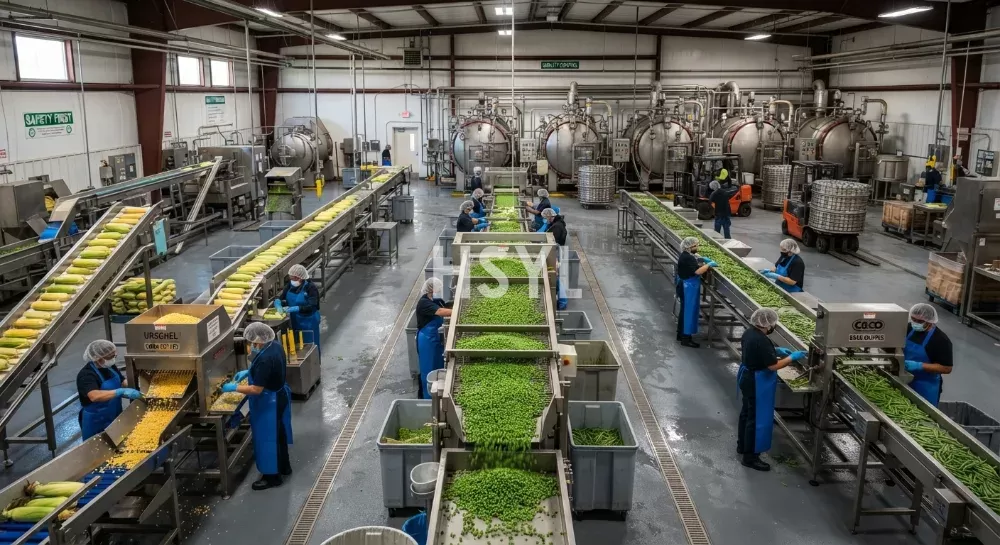
Direct AnswerA low-acid canned vegetable processing line — corn, peas, and green...
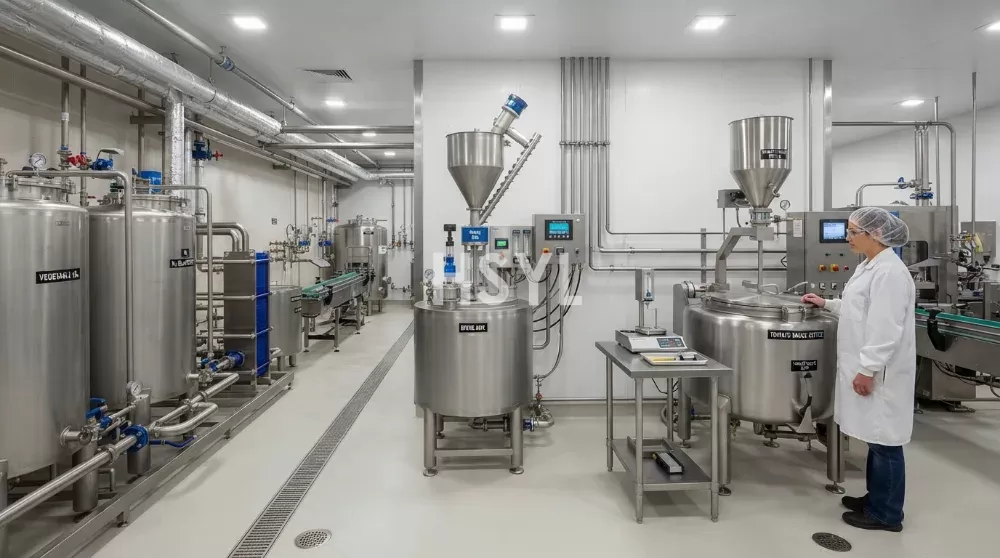
The filling medium — the liquid that fills the void spaces between the fish piec...
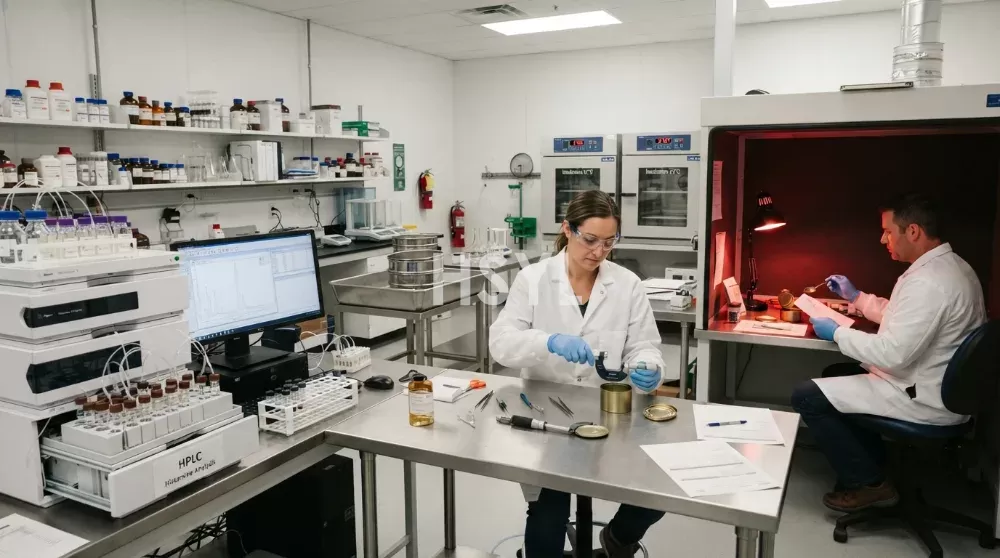
A sardine and mackerel canning line processes small pelagic fish — typically 10–...