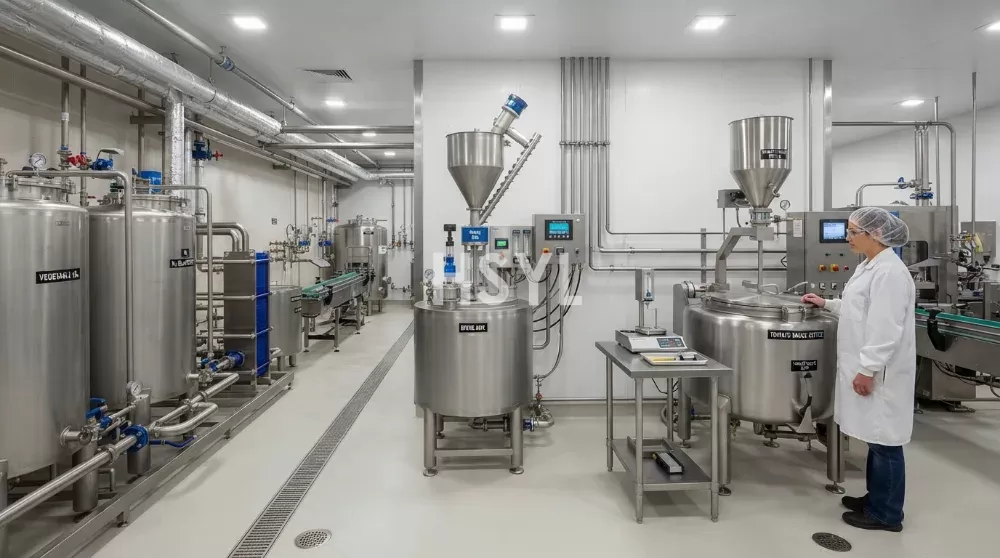
Canned Fish Filling Media: Oil, Brine, Tomato Sauce and Flavored Sauce Systems
The filling medium — the liquid that fills the void spaces between the fish piec...


Engineered 500L-10,000L CIP tanks and fully automated Clean-In-Place systems for beverage, dairy, and pharma lines. Features SUS316L, PLC dosing, and multi-loop configurations.
Stringent hygiene validation and the eradication of microbial cross-contamination form the baseline of modern aseptic processing. Operating a high-throughput facility requires a cleaning protocol that strips organic residues and mineral scale from piping and reactors without mandating mechanical disassembly. Our industrial CIP (Clean-In-Place) tanks and automated skid systems regulate chemical concentrations, thermal exchange, and fluid shear forces to guarantee repeatable, validated cleaning cycles. By completely isolating the chemical storage from the active process flow, these stations drastically reduce equipment downtime while recovering and neutralizing expensive cleaning agents for subsequent processing shifts.
| Technical Parameter | Standard Specification Data |
|---|---|
| Volumetric Capacity | 500L to 10,000L per tank (Customizable) |
| Tank Configuration Matrix | Single, Dual, Triple, Quad, or 5-Tank setups (Water, Hot Water, Acid, Lye, Recovery) |
| Cleaning Loop Outputs | 1 to 4 independent simultaneous supply loops |
| Nominal Flow Rate | 5 m³/h to 50 m³/h (Driven by hygienic centrifugal pumps) |
| Thermal Exchange Method | Plate-type, Tubular-type, or internal steam coil (Steam/Chilled water compatible) |
| Operational Temperature Range | 60°C to 80°C (Digitally PID controlled) |
| Automation & Control | Siemens / Allen-Bradley PLC with pneumatic valve arrays |
| Standard Construction Material | SUS316L (Inner Shell) / SUS304 (Outer Cladding & Skid) |
Relying on manual chemical mixing or dead-end flushing protocols severely limits plant efficiency and exposes operators to chemical burn hazards. We engineered this central cleaning hub to tackle the exact operational friction points encountered when switching between complex formulation batches.
When engineering an integrated facility layout, seamless connectivity between the cleaning hub and the core production machinery is vital. For example, routing dedicated CIP supply and return lines directly into the sanitary headers of a liquid filling machine ensures the volumetric nozzles and internal manifolds are sterilized entirely hands-free. This capability is similarly crucial when managing the complex pasteurization and homogenization circuits found throughout a complete dairy processing plant, where milk fat proteins can cause rapid bacterial colonization if not aggressively neutralized.
The core of an effective CIP sequence is the precise application of the "Four T's": Time, Temperature, Titration (concentration), and Turbulence. The centralized PLC governs these variables continuously. As the system initiates a caustic wash phase, the pneumatic diaphragm pump doses concentrated sodium hydroxide (NaOH) into the circulating loop. Simultaneously, an inline conductivity sensor feeds real-time concentration data back to the controller, making micro-adjustments until the target 2% titration is achieved.
Thermal stability dictates the chemical efficacy of the wash. We deploy high-efficiency corrugated plate heat exchangers (PHE) mounted directly on the delivery skid. As the cleaning fluid passes through the titanium or stainless plates, it absorbs thermal energy from counter-flowing industrial steam, snapping the fluid to 80°C almost instantaneously. This localized heating method prevents thermal degradation of the main holding tanks while ensuring no temperature drop occurs before the fluid reaches the target vessel.
In high-hygiene cosmetics manufacturing or intravenous fluid drug processing, validation documentation is non-negotiable. The fully automated variant of our CIP tanks integrates directly with SCADA facility networks. Every operational step—from the initial 15-minute ambient pre-rinse to the 30-minute hot acid circulation and final WFI (Water for Injection) purge—is logged. The PLC records exact flow volumes, temperature deviations, and final return conductivities, outputting unalterable batch records necessary for FDA or GMP compliance audits.
For operations dealing with high-viscosity organics, such as fruit pulp blending or emulsion reactors, we specify heavy-duty liquid ring return pumps capable of handling entrained air and heavy foam. This ensures the scavenging lines remain clear and prevents the target vessels from experiencing fluid backup during high-velocity wash cycles.
The physical construction of the equipment inherently dictates its sanitary reliability. Every seam within the SUS316L pressure vessels undergoes argon-shielded TIG welding followed by comprehensive radiographic inspection and passivation. This process obliterates microscopic fissures where iron oxides or bacterial spores might anchor. Additionally, the external insulation jackets are hermetically sealed, protecting the thermal cladding from high-pressure external factory washdowns and maintaining the CE-certified electrical components safely within their IP65 enclosures.


The filling medium — the liquid that fills the void spaces between the fish piec...
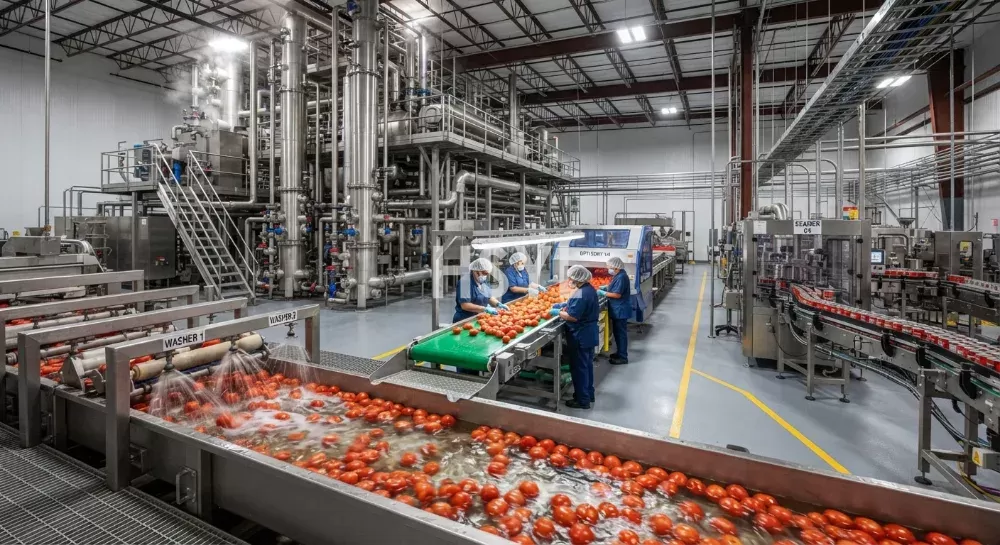
Direct AnswerA tomato products canning line converts fresh tomatoes into four di...
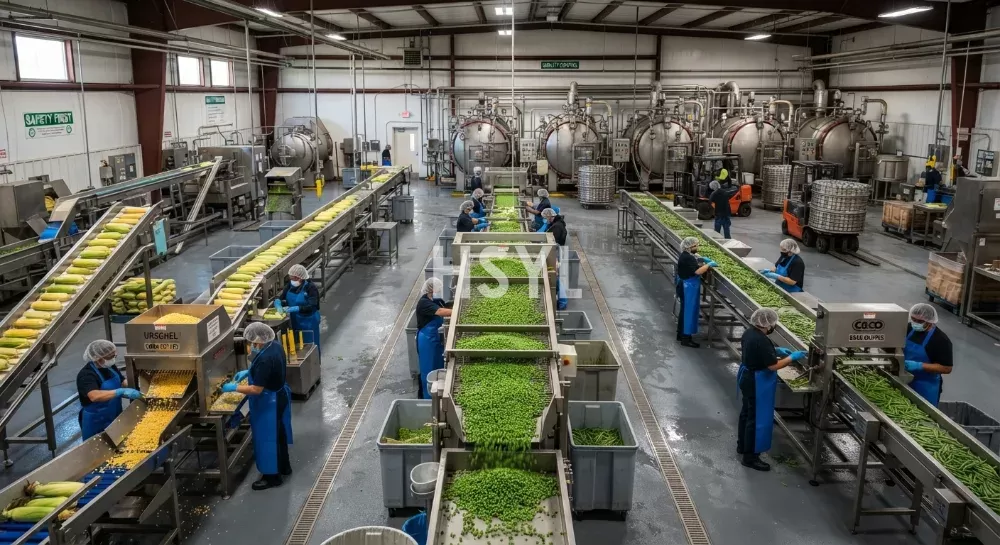
Direct AnswerA low-acid canned vegetable processing line — corn, peas, and green...
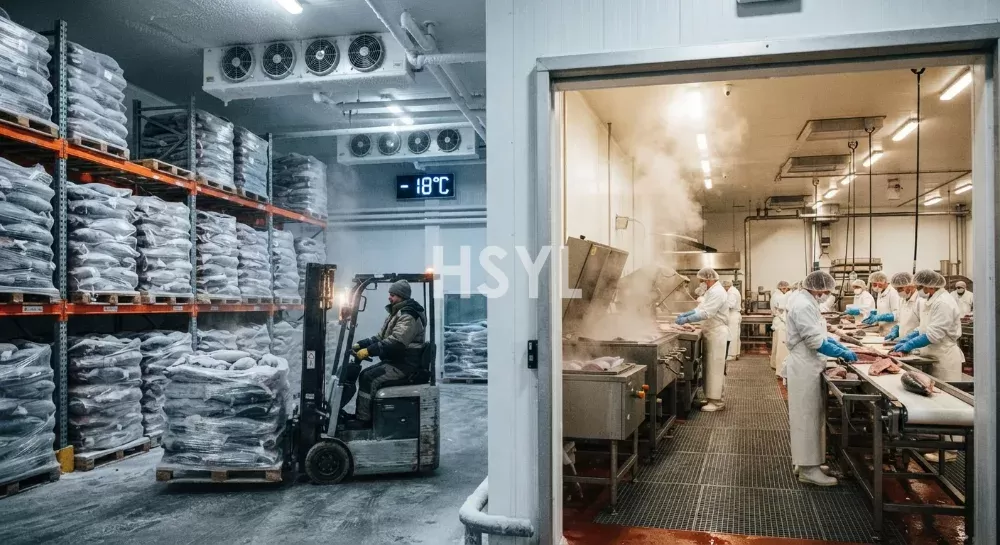
Direct AnswerThe most expensive asset in a fish cannery is not the retort or the...