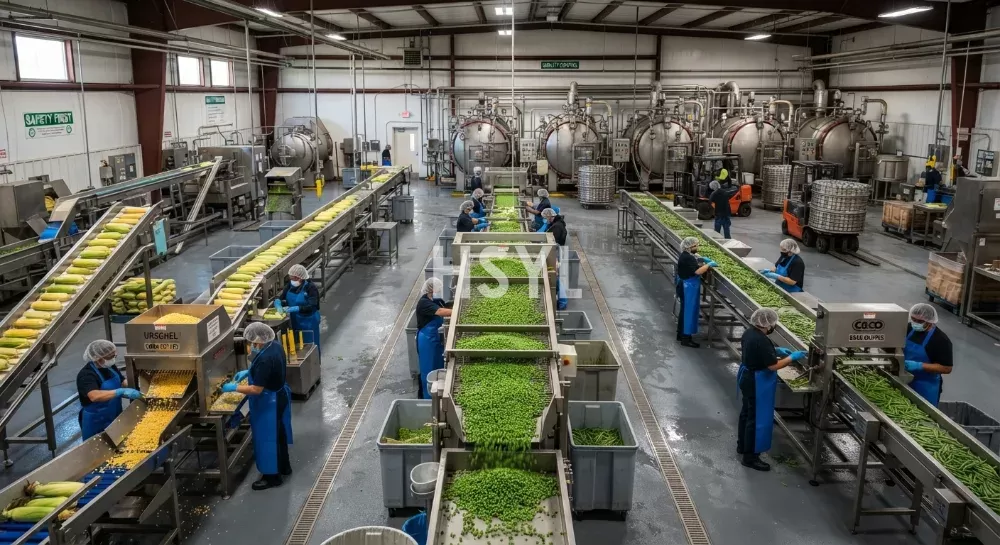
Low-Acid Canned Vegetables: Corn, Peas and Green Beans Processing Line
Direct AnswerA low-acid canned vegetable processing line — corn, peas, and green...

Heavy-duty sterile air system engineered for aseptic food packaging. Features 0.003μm HEPA filtration, PLC positive pressure control, and SUS304 construction.
Biological contamination originating from ambient air currents remains a critical failure point in high-throughput food processing. Designed specifically for aseptic environments, this heavy-duty sterile air system establishes and maintains a strict positive pressure zone over sensitive production nodes. By combining variable-frequency centrifugal blowers with multi-stage particulate interception, the unit actively neutralizes airborne pathogens, yeast, and mold spores before they can compromise product shelf life or trigger batch recalls. The structural architecture integrates seamlessly into existing plant HVAC networks or operates as a localized standalone clean air supply for targeted machinery.
| Parameter | Specification |
|---|---|
| Standard Model | SAS-3000 (Aseptic Series) |
| Nominal Airflow Capacity | 3,000 m³/h (Adjustable via VFD) |
| Filtration Accuracy | 0.003μm (H14/U15 Grade equivalent) |
| Main Blower Power | 5.5 kW (380V / 50Hz / 3-Phase standard) |
| Dimensions (L x W x H) | 1450 mm x 1100 mm x 1950 mm |
| Equipment Weight | 580 kg |
| Sterilization Modalities | High-Intensity UV-C Array & Direct Steam Injection Compatible |
| Construction Material | SUS304 (Base) / SUS316L (Critical internal flow paths) |
Controlling the micro-environment directly above the product exposure zone requires predictable, laminar airflow. We engineered this system specifically for the rigid demands of ISO 14644-1 Class 5 cleanrooms, addressing the specific operational friction points that facility managers face during continuous production cycles.
Proper air handling is only one phase of complete biological control. To achieve true Turnkey aseptic production, plants frequently route the discharge of this sterile air system directly into the localized enclosures of a liquid filling machine. This direct coupling ensures that the vulnerable transition from bulk storage to final packaging occurs entirely within a pathogen-free micro-atmosphere.
The internal processing logic of the air system follows a strict multi-tier progression. Ambient air is initially drawn through an easily washable G4 coarse pre-filter to capture macro dust and ambient moisture. The secondary F8 medium-efficiency pocket filter then extracts standard particulate matter, deliberately extending the operational lifespan of the final stage. The primary power component, a backward-curved centrifugal impeller, then pushes this pre-treated air into the high-pressure plenum.
At the final stage, the air is forced through a deeply pleated glass microfiber matrix. The 0.003μm specification means the media relies on a combination of direct impaction, interception, and Brownian motion diffusion to trap micro-organisms. The resulting discharge achieves a unidirectional, low-turbulence laminar flow that blankets the processing area.
In central processing hubs outputting sensitive commodities such as UHT milk, cold-pressed juices, or cultured dairy, ambient exposure limits are measured in seconds. When deployed over a 5000-bottle-per-hour continuous line, the SAS-3000 establishes an invisible isolation curtain. The constant downward velocity of 0.45 m/s sweeps potential contaminants away from the open containers.
Additionally, because the control logic integrates seamlessly with broader plant SCADA networks, quality assurance teams can export historical differential pressure logs directly from the Siemens or Allen-Bradley HMI. This data provides physical evidence of continuous positive pressure maintenance during specific production batches, a mandatory requirement during stringent third-party facility audits.
Mechanical reliability in food production must be backed by documented compliance. Every unit undergoes rigorous factory acceptance testing (FAT), including PAO aerosol leak testing for the HEPA seals and precise anemometer mapping of the discharge velocity. The equipment layout and material choices adhere strictly to cGMP and FDA guidelines for direct food contact zones. For international installations, our engineering teams provide complete Turnkey commissioning, ensuring the deployed system meets exact regional hygienic directives right at the facility floor.


Direct AnswerA low-acid canned vegetable processing line — corn, peas, and green...
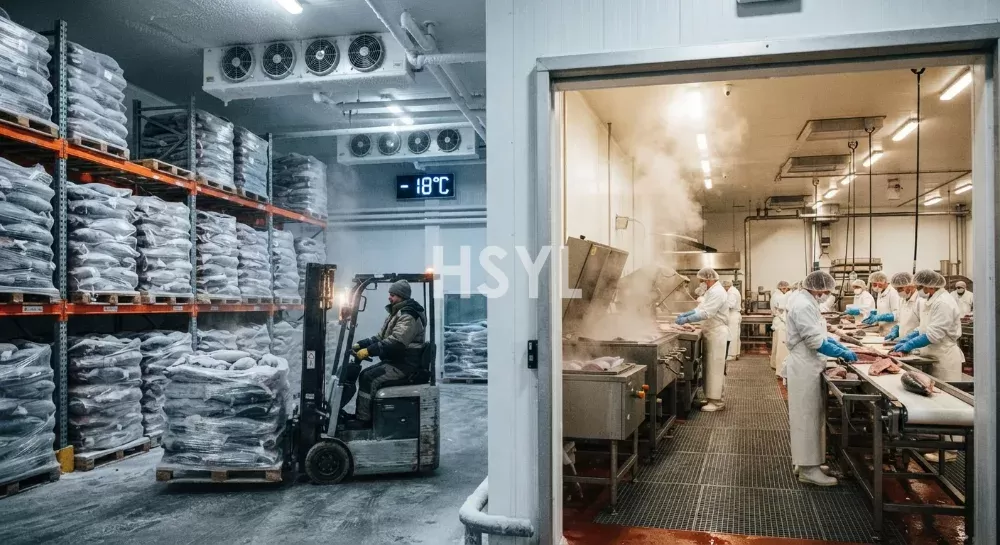
Direct AnswerThe most expensive asset in a fish cannery is not the retort or the...
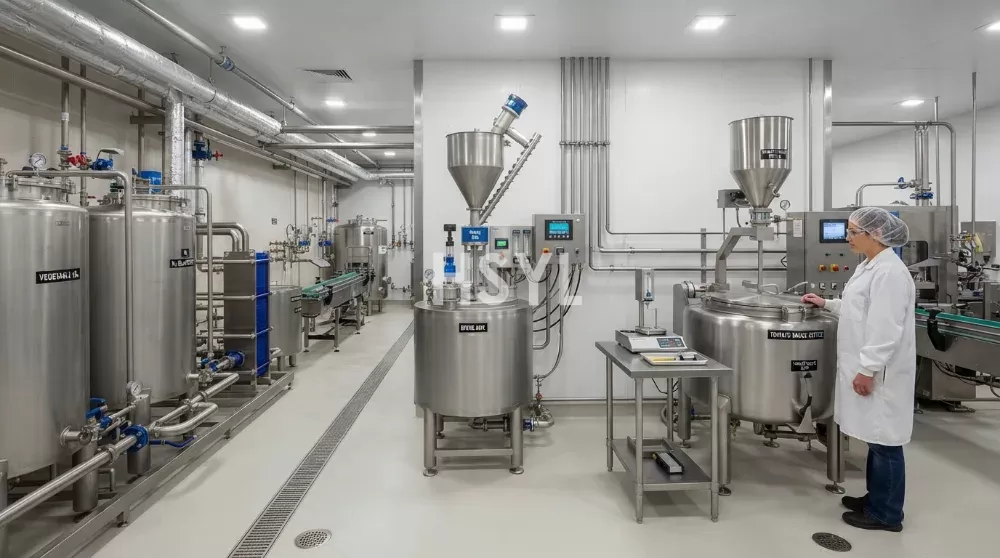
The filling medium — the liquid that fills the void spaces between the fish piec...
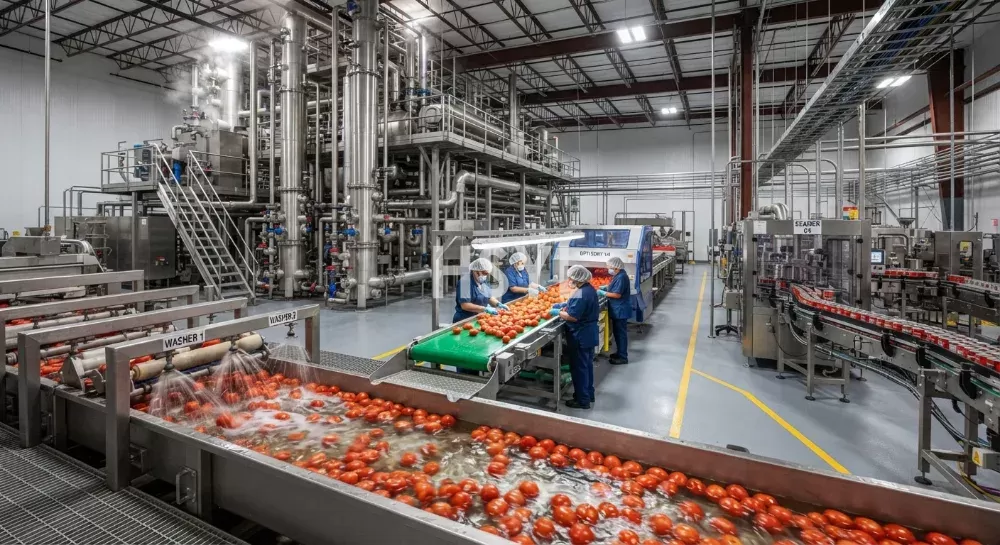
Direct AnswerA tomato products canning line converts fresh tomatoes into four di...