A tipped can or repeated transfer jam is an observable event, not a diagnosis. The container format, feed condition, transfer arrangement and downstream state need to remain identifiable before anyone attributes the issue to a guide or machine setting.
Collect evidence at the actual transfer. Use the approved safe operating and isolation procedures with competent personnel; do not make trial modifications while equipment is moving.
Define the container and transfer point
Record whether containers are empty, filled or closed at the observed stage. Identify the format, relevant condition and equipment references. Link the approved transfer drawing or configuration where available.
If the event occurs only after a format change, keep that relationship visible. Do not compare two container types as though they were the same test condition.
Record the event in context
| Evidence field | Observation to retain |
|---|---|
| Location | Specific transfer or interface identifier |
| Time or sequence | Connection with the run and nearby events |
| Container condition | Actual material and format at the point |
| Upstream supply | Arrival behaviour and interruptions observed |
| Downstream receipt | Availability, accumulation or stops observed |
| Intervention | Authorized action, person and changed configuration |
Separate what was seen from an untested explanation. A downstream queue, for example, may direct investigation without proving that the transfer design caused the event.
Follow the container beyond movement
After an interruption, assess container condition through the applicable factory procedure. Smooth movement is not evidence that a damaged or uncertain container is acceptable for use.
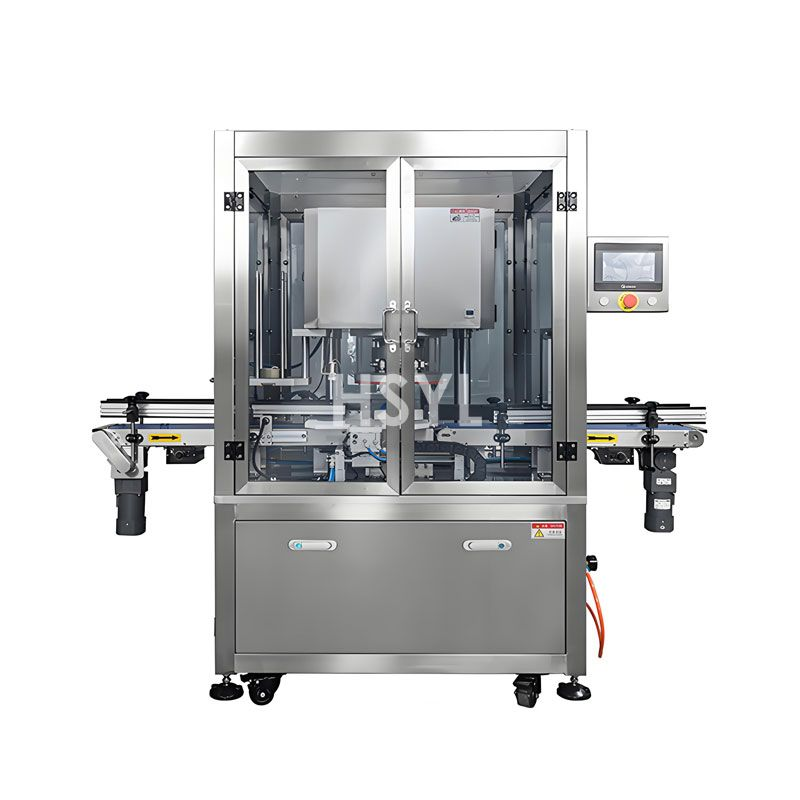
The seaming machine and filling equipment are examples of modules whose interfaces depend on the same container basis. Keep machine acceptance and affected-product decisions distinct.
Verify one supported response
Have the responsible equipment team review the evidence and proposed action. Retain the actual change and use a comparable observation method when checking its result. Changing several unrelated conditions at once makes the conclusion difficult to interpret.
The line bottleneck guide examines broader queues and stops. The fish canning layout guide helps place the transfer within the route, but neither provides generic guide clearances for every can.
The final record should identify the supported finding, approved action and result under the tested conditions. Preserve unresolved questions rather than labelling a temporary restart as proof of a permanent solution.
Frequently Asked Questions
Can a jam be diagnosed from one stopped-container photograph?
Does restarting prove the container is acceptable?
Should I record empty and filled-can events separately?
Related Articles




Get professional consultation
Do you have any questions or need technical support regarding the content of this article? Fill out the form below, and our expert team will provide you with professional solutions.