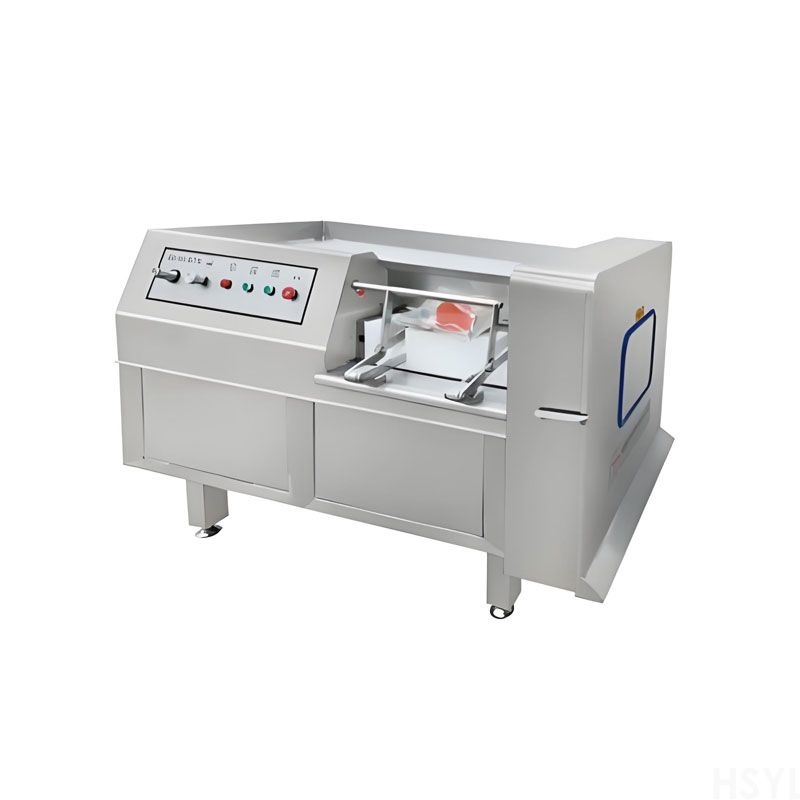
Equipment Know-How
Meat Dicing: Beyond the Nominal Cube Size
Assess meat dicing with piece-size distributions, fines, accepted recovery and p...
Read more →End-to-end design, manufacturing, and delivery—empowering you to achieve efficient, compliant, and highly profitable production in any global market.
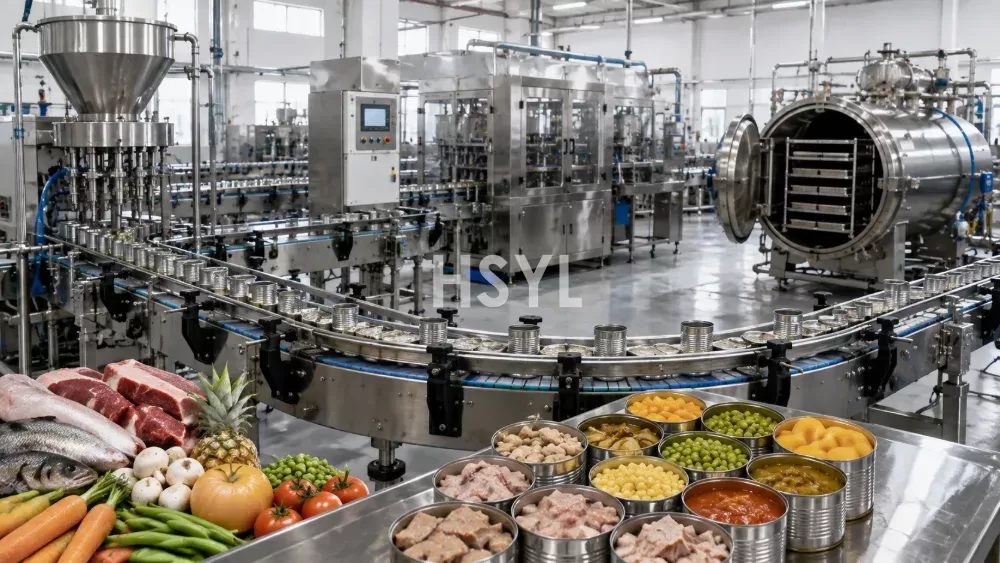
An automatic canned food production line combines product preparation, container handling, filling, seaming, thermal processing and final packaging. The equipment configuration depends on the food, container format, required output and available factory space.For complete autoclave batch scheduling and facility sanitation planning, refer to our engineering overview on optimizing beverage food can production.
HSYL project planning connects these stages through an agreed equipment list and layout. Each proposal should identify supplied machines, optional modules, existing equipment to be retained and the interfaces between them.
For product-specific preparation routes, explore our canned food production line overview.
| Line Section | Configuration Details |
|---|---|
| Product preparation | Incoming material condition, required preparation operations and transfer to filling. |
| Container handling | Can dimensions, empty-container inspection, cleaning method and feeding arrangement. |
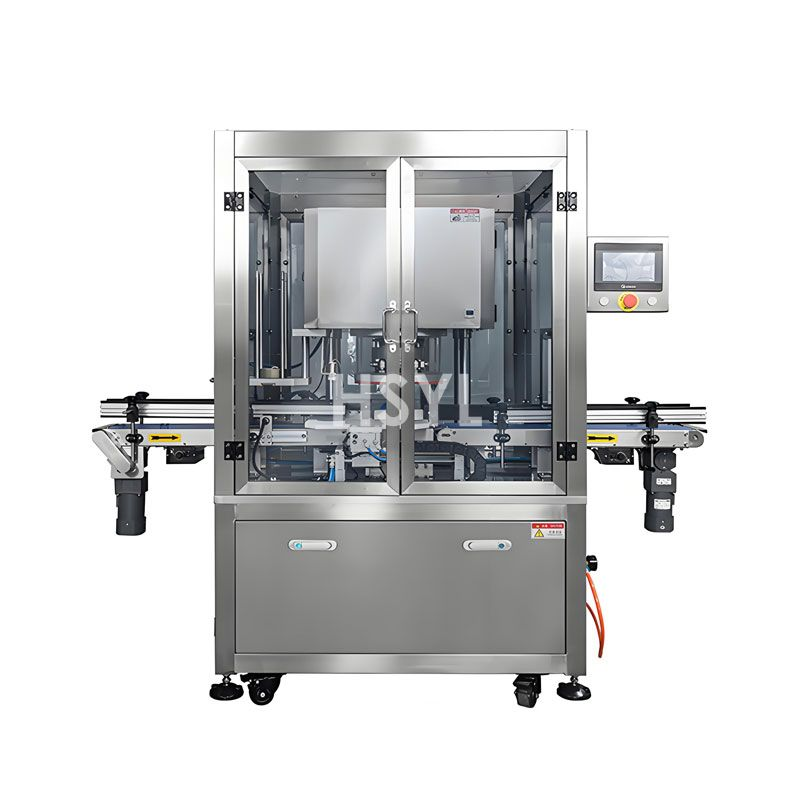
| Filling | Product form, particle size, liquid properties, fill target and cleaning requirements. |
| Seaming | Can body and end combination, tooling, headspace requirements and inspection provisions. |
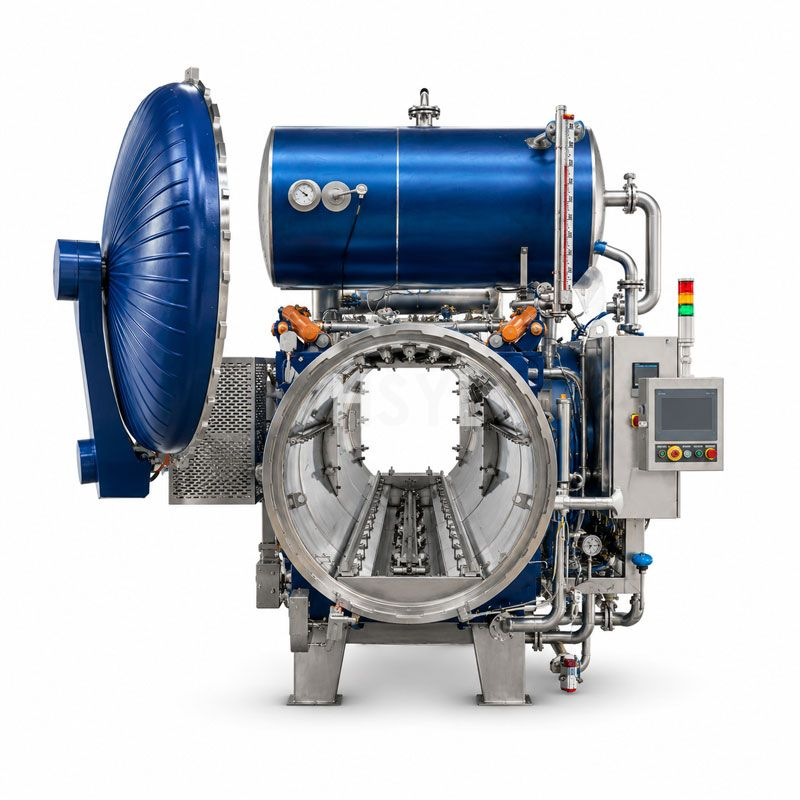
| Thermal processing | Product-specific process requirements, retort loading arrangement and batch scheduling. |
| Final packaging | Drying, coding, labeling, case packing and the required level of automation. |
The quotation should distinguish the equipment supplied from site services, civil works and other items provided by the buyer.
Specify the required finished cans per hour or shift together with the product and container. Evaluate preparation, filling, seaming and thermal processing as a connected system.
For batch retorts, include loading, heating, cooling and unloading when matching downstream capacity to continuous filling. Account for cleaning, format changes and planned operating time.
The layout should show material movement, inspection points, maintenance access, utility connections and space for handling equipment. Any future expansion provision should identify the additional machines and services required.
An itemized equipment list, supported container formats, utility requirements and applicable documentation for the selected machines and destination market.
Output estimates tied to the intended product, can size, operating schedule and staffing. Any savings or payback calculation should state its assumptions.
Defined responsibilities for delivery, positioning, utility connections, commissioning, operator training and after-sales support.
A clear project scope connects equipment selection with installation and measurable acceptance criteria.
Review building dimensions, access routes, machine positions and connection points. Identify how new equipment will connect to existing production stages.
Use representative food, filling medium, cans and ends to evaluate filling performance, closure quality, handling and output under agreed conditions.
Specify tooling, cleaning access, changeover procedures and spare parts. Include operator tasks and maintenance requirements in the production plan.
International certifications including GMP, FDA, CE, and HACCP ensure your products succeed worldwide.
Average payback period of 18 months, 25% lower energy consumption, and 300% higher production capacity.
End-to-end support—from feasibility studies to after-sales maintenance—so you can focus on your core business.
Why choose us? Three core pillars ensure maximum return on your investment.
Fully customized design from the ground up, strictly compliant with the highest global standards (GMP, FDA, CE), ensuring a perfect fit for your unique requirements—ideal for high-standard markets such as Europe and the Middle East.
One-stop service covering feasibility studies, equipment manufacturing, system integration, installation, commissioning, and operator training—simplifying even the most complex projects. Especially suited for fast-growing markets in Southeast Asia.
Our systems feature rapid changeover capabilities and energy-efficient design, enabling you to adapt effortlessly to market shifts while minimizing operational costs and maximizing ROI.
From individual equipment to complete production lines, our products cover every aspect of food processing, ensuring that your turnkey projects have the most reliable technological foundation.
Global certifications including CE, FDA, and GMP
Tailored solutions based on your specific needs
From installation and commissioning to after-sales support
Green manufacturing to reduce operational costs
Covering 12 core industries, each solution has been validated through practical experience and tailored to your specific needs
Canned food production line manufacturer for fish, meat, fruit and vegetable can...
View
Professional meat processing equipment solutions. Automated lines for sausage, h...
View
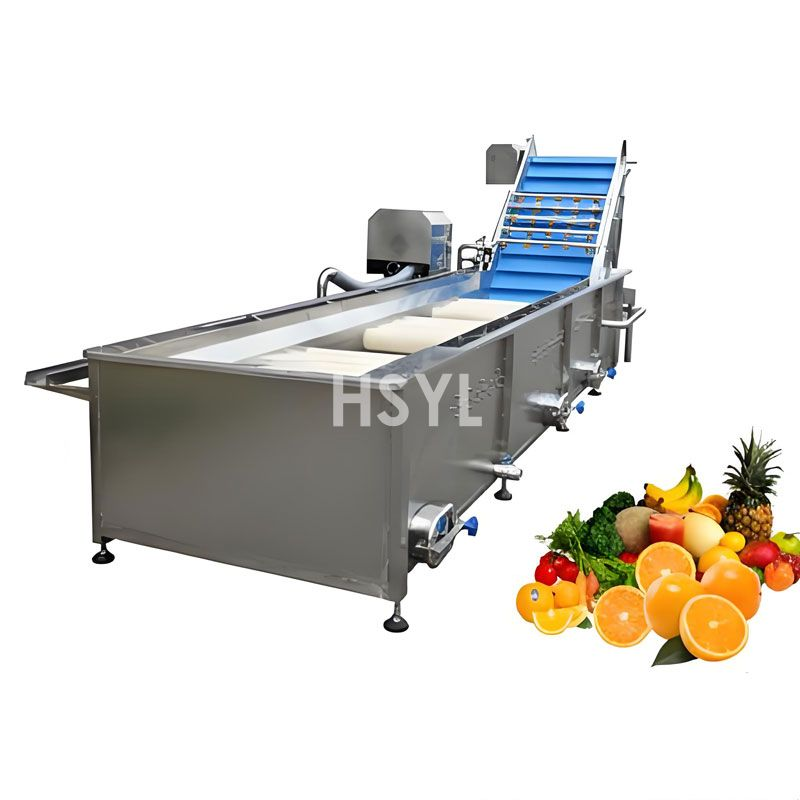
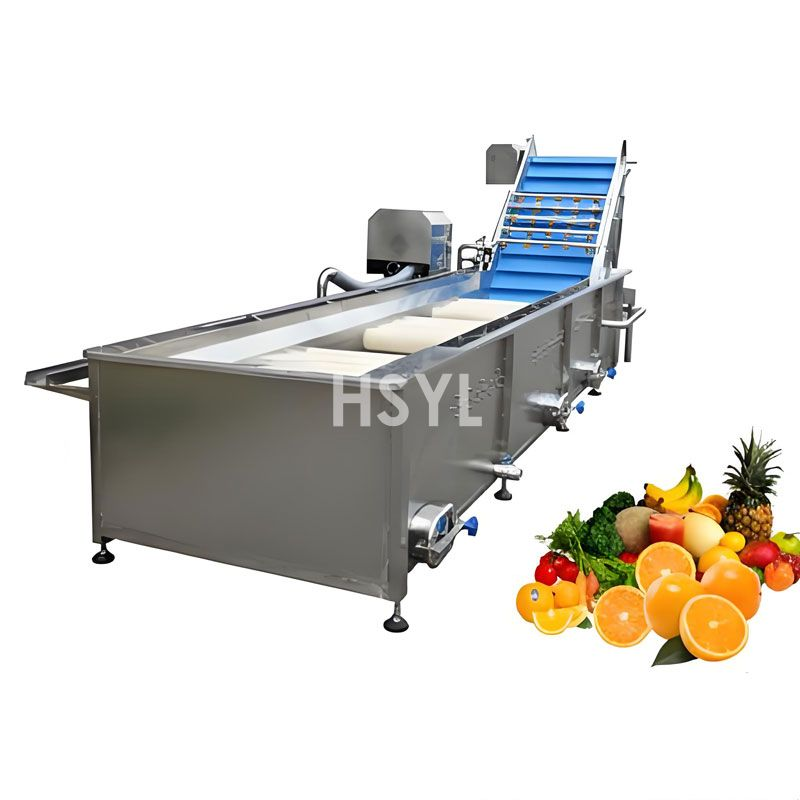
Industrial fruit and vegetable processing Solutions. Turnkey solutions for washi...
ViewBacked by real-world case studies, showcasing our successful experience across industries and regions.
Latest technological trends and professional insights
Assess meat dicing with piece-size distributions, fines, accepted recovery and p...
Read more →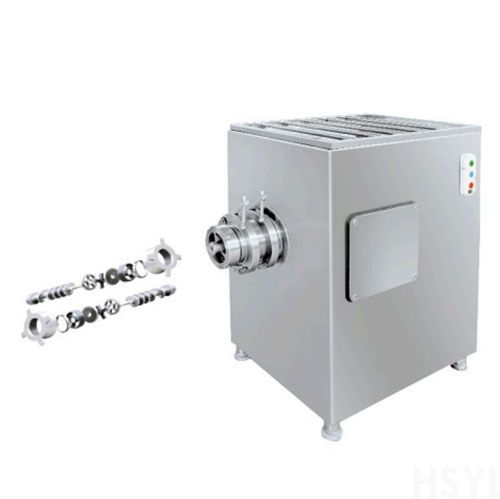
Record frozen meat cutting conditions at surface and core locations. Keep materi...
Read more →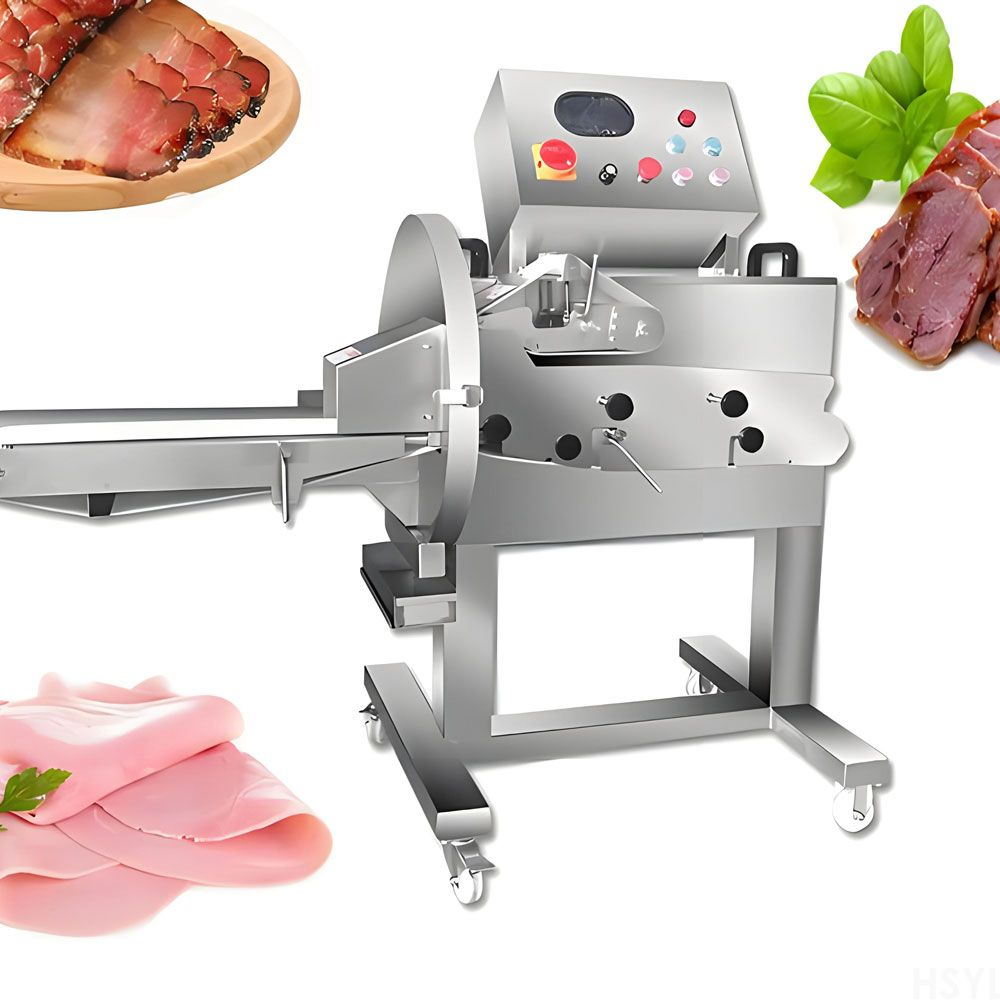
Review meat slicer cleaning through safe access, removable parts, component iden...
Read more →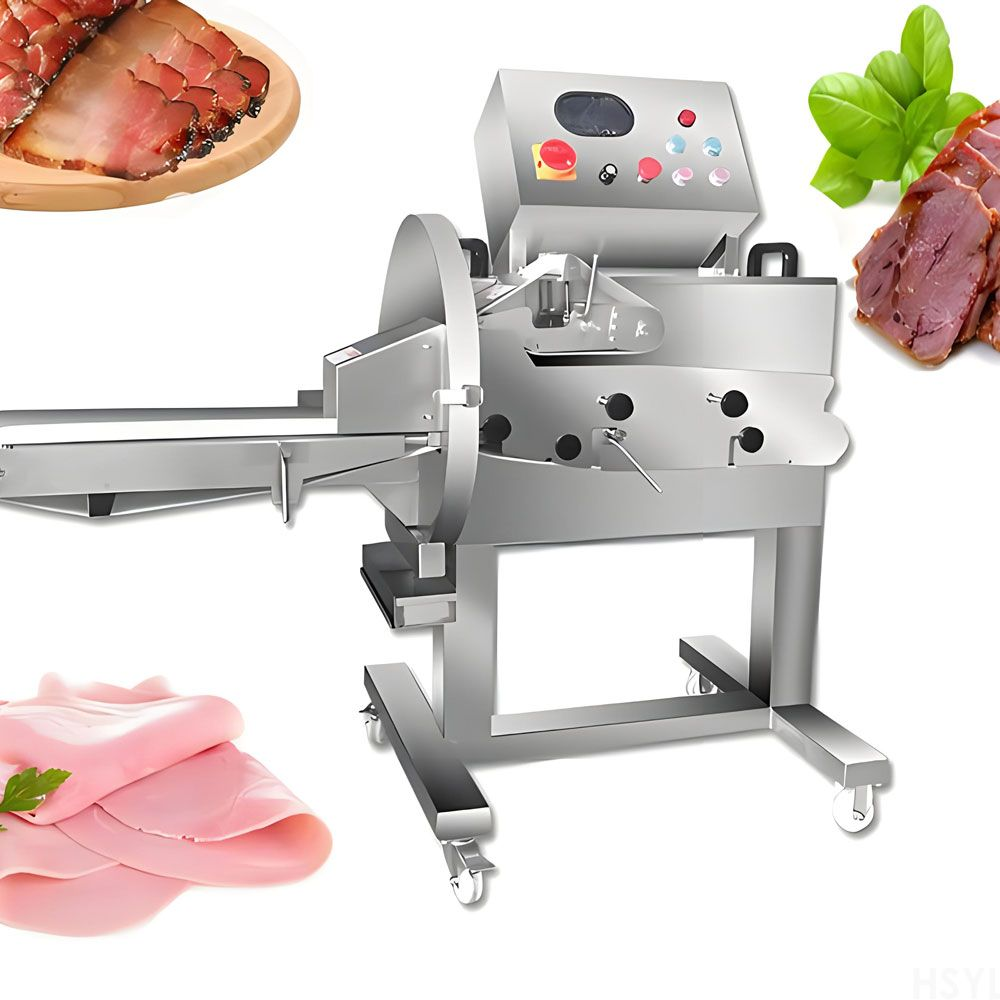
Define fresh meat slicing by the finished strip, slice or portion requirement. S...
Read more →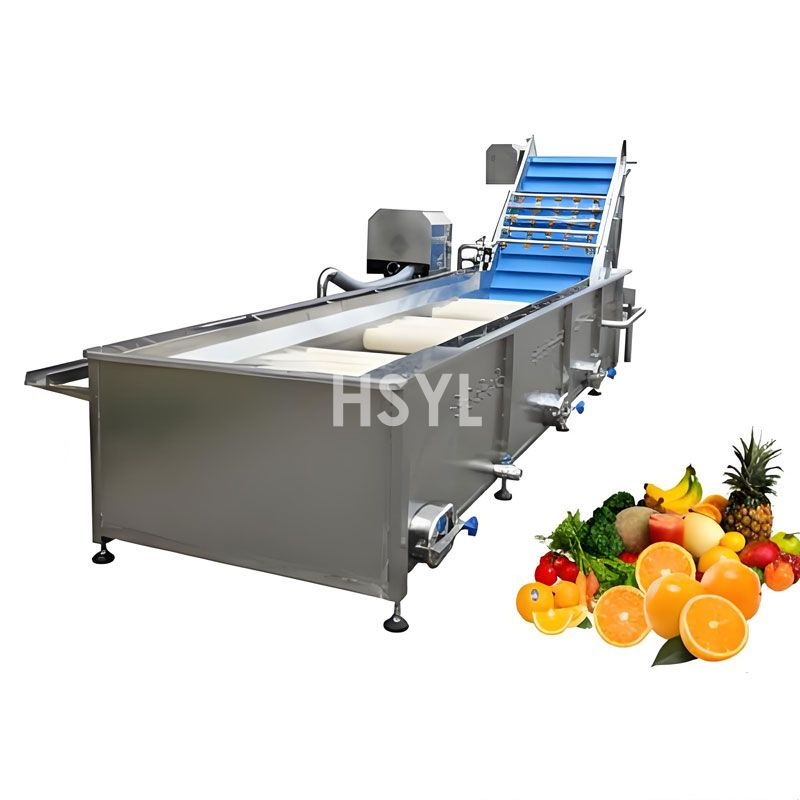
Plan vegetable blanching trials around the crop, cut form, product requirements ...
Read more →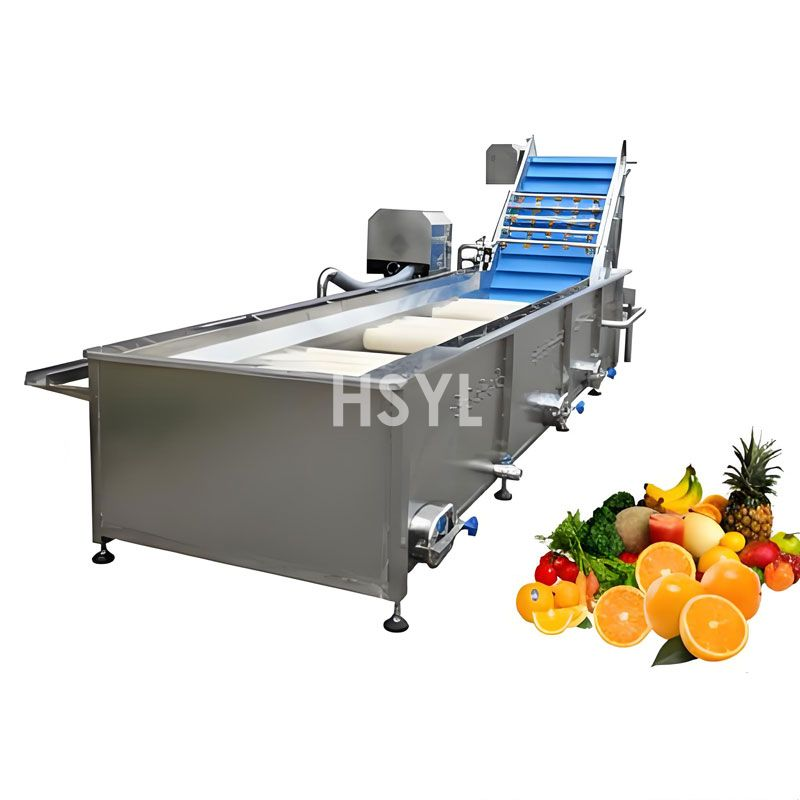
Separate dry-bean input, soaking recovery and drained filling material in a cann...
Read more →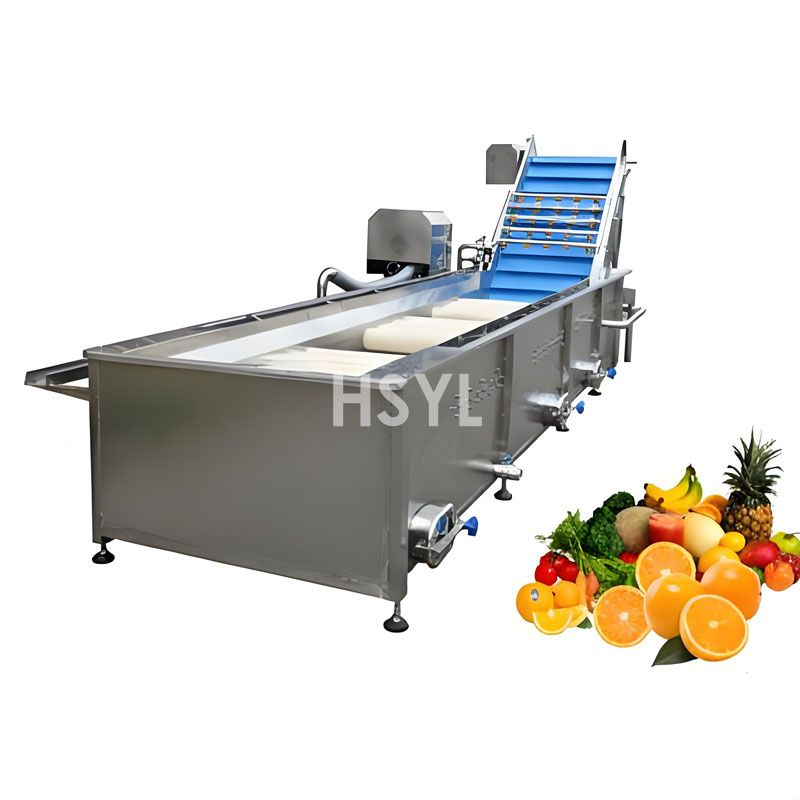
Locate canned-fruit breakage with matched samples around transfers, accumulation...
Read more →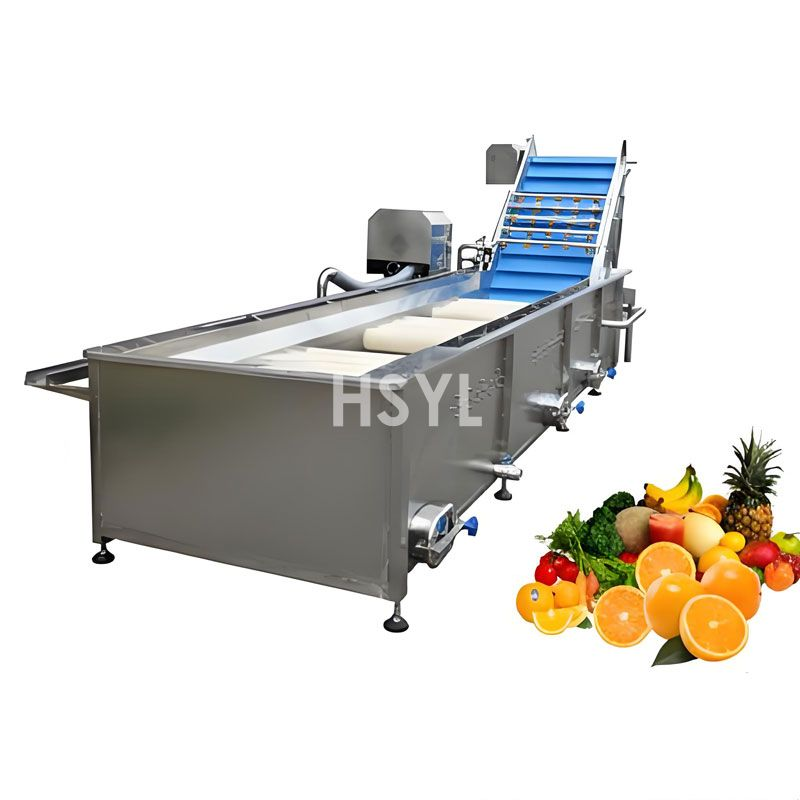
Assess spinach canning through leaf condition, stems, tangling and filling distr...
Read more →Our professional team will provide you with the optimal food processing equipment solution. Contact us today for a detailed consultation.