A canned fruit specification translates a product idea into information that equipment suppliers and factory teams can use. It should describe the accepted pack and the incoming material, then connect those two ends through a defined preparation route.
Use one controlled document rather than separate informal descriptions in purchasing, production and quality files. Differences between those descriptions can become equipment assumptions.
Describe the fruit and intended form
Identify the fruit, relevant variety or grade information and the expected incoming range. State whether the finished pack requires whole fruit, halves, slices or pieces, using the buyer's dimensional and appearance criteria where applicable.
Describe acceptable and unacceptable examples with a written assessment method. Photographs help explain presentation but cannot replace dimensional information or a defined defect category.
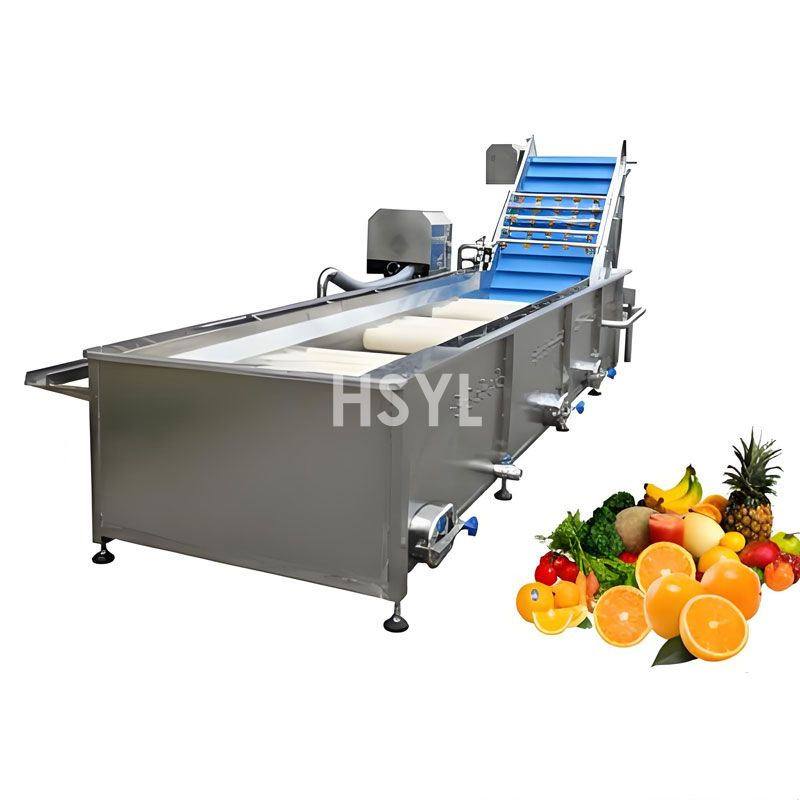
Complete the pack basis
| Specification section | Information to include |
|---|---|
| Fruit inputs | Identity, receiving condition and relevant variation |
| Preparation result | Intended form, appearance and release criteria |
| Filling medium | Controlled recipe and application condition |
| Container and end | Drawing references and intended format range |
| Measurements | Solid fill, total fill and other product-specific assessment methods |
| Trial decision | Sampling plan, acceptance criteria and authorized reviewer |
Use the specification during trials
Select representative fruit and record preparation performed before the test. Keep the same sample identities through preparation, filling and presentation assessment. Note any substitutions and what they prevent the trial from proving.
The canned fruit equipment line discussion should identify which functions are proposed for the actual product. If peaches are involved, the peach preparation guide explains how to locate losses across stages.
Control changes after the initial decision
A different fruit grade, medium or container can affect handling and the product process. Assign change review to the relevant product, quality, process and equipment owners. Record the new revision before it becomes the production basis.
Use the canned fruit line guide to connect the specification with the full route. The document is useful when a reader can identify what is required, how it will be checked and which differences still need a trial or specialist assessment.
Frequently Asked Questions
Must solid fill and total fill use the same method?
When is a new trial needed?
Related Articles


Get professional consultation
Do you have any questions or need technical support regarding the content of this article? Fill out the form below, and our expert team will provide you with professional solutions.