A chicken soup canning line enquiry needs more than a recipe name and a can size. The equipment team must understand the pieces, broth, preparation sequence and condition at each handoff.
Use a controlled product specification to describe those inputs. Keep formulation approval and food-process requirements with the responsible specialists while giving suppliers enough information to evaluate handling and filling.
Describe solids and broth separately
List the meat and vegetable components, relevant dimensions, expected variation and handling sensitivity. Explain the broth characteristics that affect feed and dosing. Identify whether the product is mixed before filling or whether solids and broth are added through separate operations.
Record the preparation already completed before each component reaches the line. A supplier should not have to infer cooking, cutting or mixing work from a photograph of the final soup.
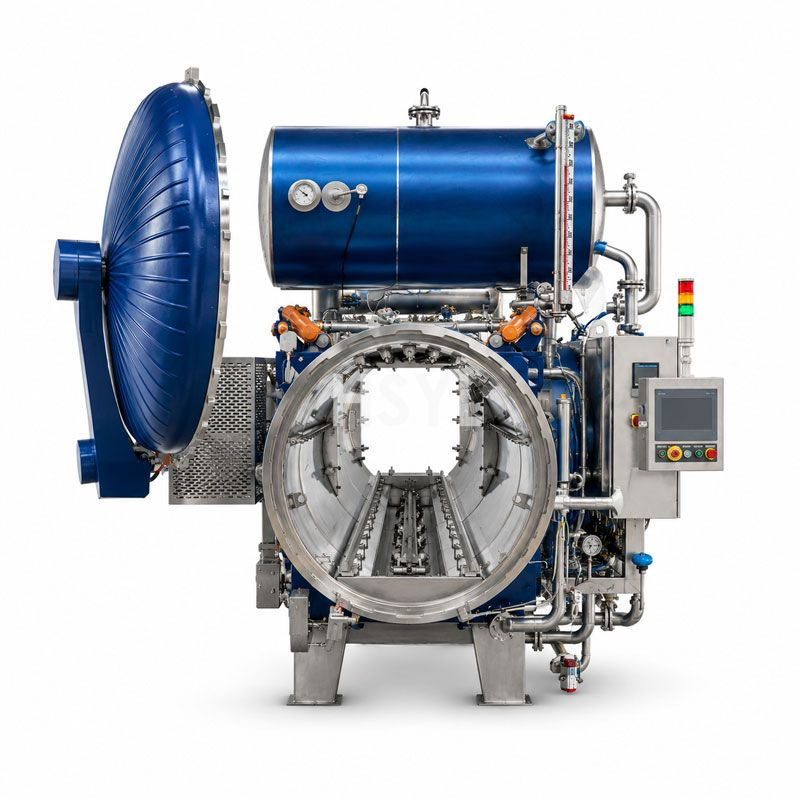
| RFQ input | Why the supplier needs it |
|---|---|
| Piece range | To review the feed path, restrictions and product damage risk |
| Broth and suspended ingredients | To review material supply and dosing behaviour |
| Container and end drawings | To coordinate filling, transfer and closing |
| Product mix | To assess cleaning, changeover and configuration needs |
| Output definition | To compare accepted packs over the same operating window |
| Site information | To review layout, utilities and installation interfaces |
Ask for a proposed filling method
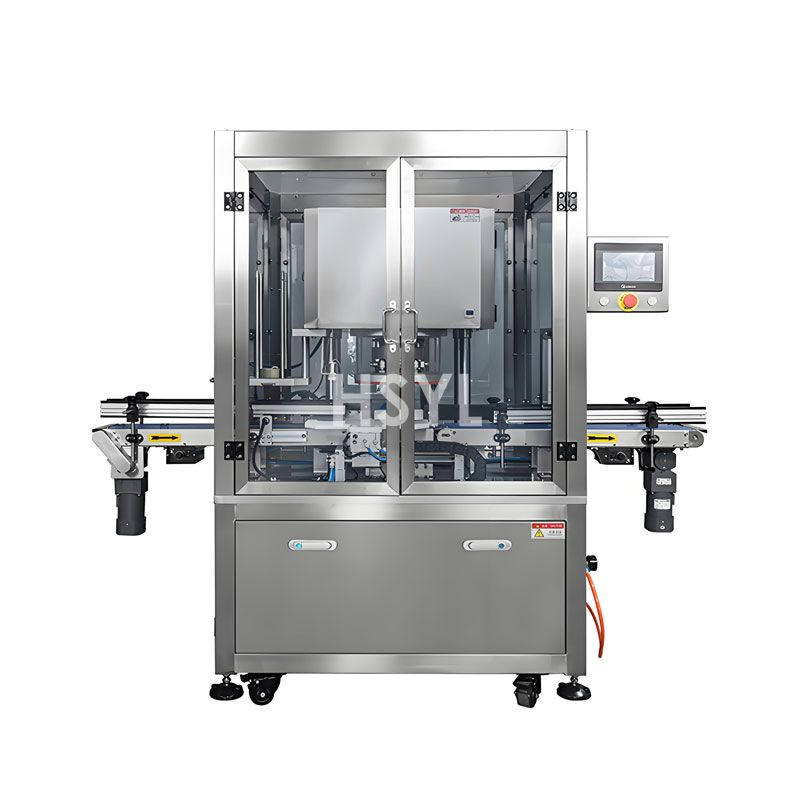
Require the supplier to explain how the arrangement controls the intended solids and liquid distribution. Request the trial material and measurements needed to demonstrate it. Avoid assuming that every filler described as volumetric handles every soup particle range.
The chicken soup canned production line provides a relevant equipment starting point. Use the chunky soup filling guide to frame the product-dependent checks.
Include the closing and retort interfaces
Define how containers move from filling to closing and into the batch-handling system. Identify container checks, product identity and the records that connect the filled run to retort loads.
The approved thermal process must be established for the actual product, container and system. This RFQ provides equipment inputs and does not prescribe a processing time, temperature or shelf life.
Request a bounded response
Ask for the equipment list, assumptions, exclusions, required trials and responsibility matrix. Review them against the canned meat layout guide so that solid and broth routes, service points and access are coordinated.
The enquiry is ready when suppliers can identify what their equipment must receive and deliver, and what evidence remains necessary before the configuration is accepted.
Frequently Asked Questions
Should the soup RFQ include every ingredient?
Can separate solid and broth filling be proposed?
Can a filling trial establish the retort schedule?
What if the recipe is commercially confidential?
Related Articles


Get professional consultation
Do you have any questions or need technical support regarding the content of this article? Fill out the form below, and our expert team will provide you with professional solutions.