A fish cannery raw-material specification connects purchasing with the preparation line. It tells suppliers what material the plant intends to receive and tells equipment specialists what variation their proposed system must handle.
Keep commercial identity, handling information and food-safety acceptance responsibilities distinct. A machine trial can assess handling suitability; it cannot release an incoming food lot for production.
Identify the material unambiguously
Record the species identification required by the business, supplier references, product form and receiving state. Describe whether fish arrive whole, partially prepared or in another agreed form. List preparation already completed before delivery.
Include the size distribution relevant to handling, rather than only an average. For orientation-sensitive packs, dimensions and shape variation may matter alongside weight. Use measured supplier data where available and identify information still to be confirmed.
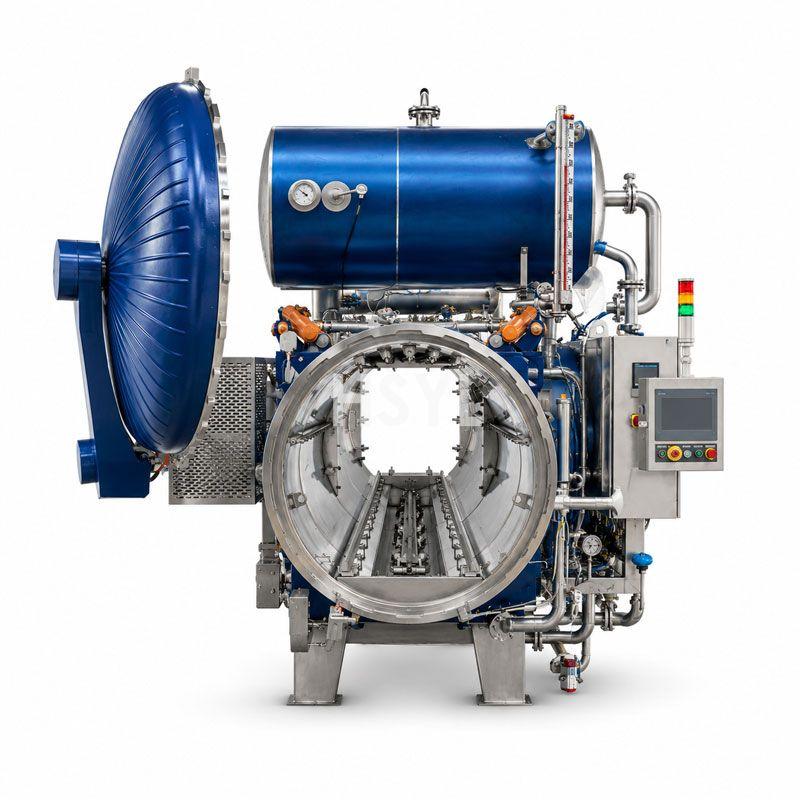
| Specification area | Required discussion |
|---|---|
| Identity and source | Supplier, species reference, lot identification and traceability documents |
| Physical form | Whole or prepared material, dimensions and expected variation |
| Receiving state | Packaging, transport condition and the plant's acceptance procedure |
| Preparation basis | Operations already completed and the condition required at the next stage |
| Trial sampling | Representative lots, sample history and relevant variation |
Assign acceptance criteria to qualified owners
The plant's quality and food-safety team should establish incoming acceptance controls for the actual fish and supply chain. FDA's Fish and Fishery Products Hazards and Controls guidance is a relevant reference for seafood hazard assessment in its applicable context; it is not a generic receiving specification for every country or product.
Keep those controls in the approved factory system. This procurement guide does not prescribe universal temperature, time or testing limits.
Connect the specification to equipment trials
Send representative material information to the fish canning line supplier. Ask which differences affect feeding, preparation, product damage or packing. Use the specification revision to identify the material tested.
If the supply chain later changes the size range or receiving state, review the effect on the equipment and approved product process. A trial conclusion applies to its documented conditions, not to all fish supplied under the same commercial name.
Use the seasonal fish planning guide for supply changes across the year and the batch handoff guide for identity through production. The receiving specification should remain a working link between purchasing, quality and production.
Frequently Asked Questions
Is average fish weight enough for equipment selection?
Who approves food-safety receiving limits?
When should the specification be reviewed?
Can incoming material be released by an equipment trial result?
Related Articles




Get professional consultation
Do you have any questions or need technical support regarding the content of this article? Fill out the form below, and our expert team will provide you with professional solutions.