A retort loading record connects physical containers with the approved configuration and the process record. Its purpose is to make the load identifiable, not to invent a basket arrangement or replace a scheduled process.
Design the record around the factory's actual equipment and approved procedures. Use consistent references across filling, basket handling and retort operation.
Identify the load and its contents
Record the product, filling-run references, container format and the relevant approved instructions. When a run is divided among baskets or loads, retain those relationships under the plant's traceability method.
| Record area | Information to connect |
|---|---|
| Load identity | Date, equipment and load reference under the factory system |
| Product | Product code, formulation or specification revision and filled-run identity |
| Containers | Can and end format references required by the approved procedure |
| Baskets | Identifiers and contents where the system uses them |
| Configuration | Approved loading reference, dividers and arrangement identification |
| Process record | Applicable approved process and actual operating-record reference |
| Review | Required checks, exceptions and authorized status decisions |
Use the approved form to determine which fields and checks are mandatory. The table is a design aid, not a universal legal record specification.
Keep configuration evidence controlled
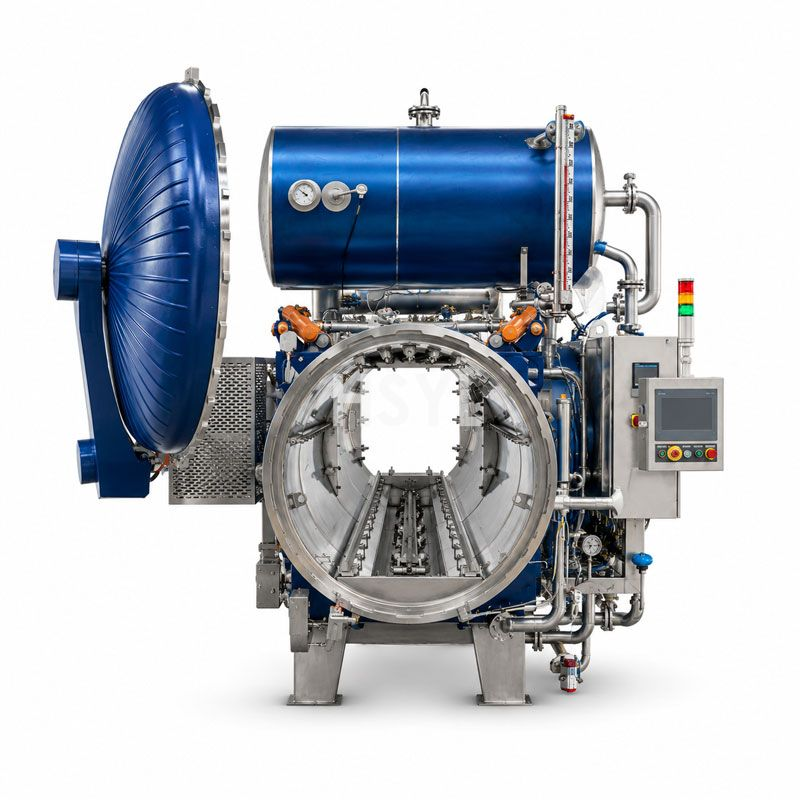
An approved drawing or photograph can help identify a loading arrangement when used within the plant's documented system. Record its revision. A casual image of a full basket does not establish the arrangement's process adequacy.
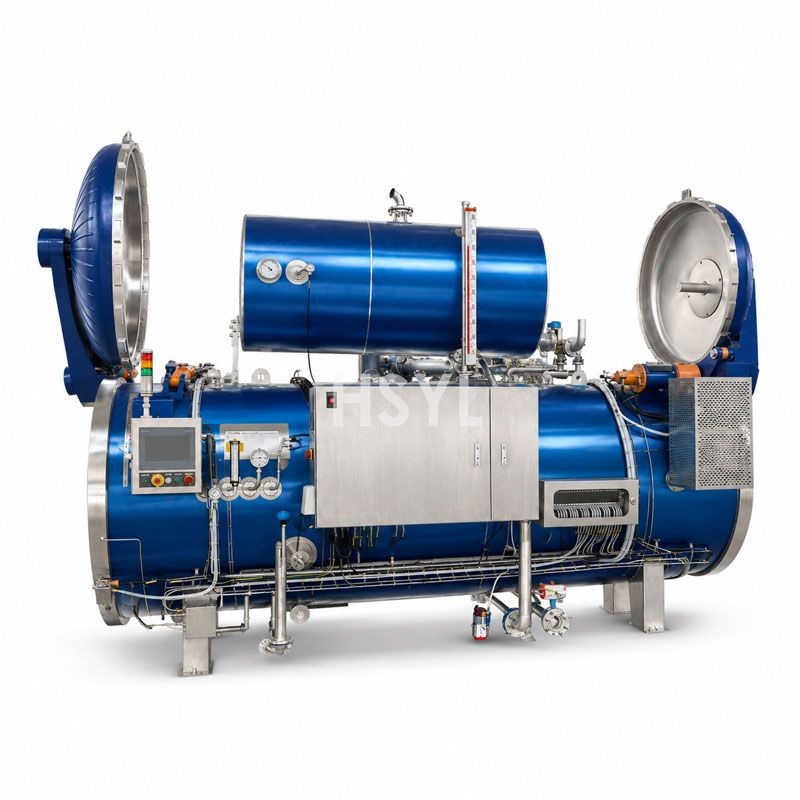
The retort selection guide explains the configuration inputs that need qualified review. The retort equipment supplier can provide system information, while process specialists establish the applicable product-process basis.
Handle exceptions without losing identity
Partial loads, interrupted filling and held baskets need the factory's approved control procedure. Record the actual condition and responsible decision-maker. Do not silently complete an intended loading record when the physical load differs.
FDA's inspection framework emphasizes process documentation alongside delivery and container integrity. A loading record supports that evidence only when it represents the load that was actually processed.
Test retrieval before routine operation
Choose a load reference and retrieve its product, basket and operating records. Then trace a filled run to the loads it entered. Resolve ambiguous identifiers or missing relationships before adopting the form.
Use the fish batch-flow guide for a wider traceability example and the retort responsibility guide for record review. The finished system should let an authorized reviewer connect the product to the actual process evidence without relying on memory.
Frequently Asked Questions
Does the record determine the loading arrangement?
Can a partial basket use the same process automatically?
Can a photograph replace the loading record?
Related Articles

Get professional consultation
Do you have any questions or need technical support regarding the content of this article? Fill out the form below, and our expert team will provide you with professional solutions.