A filling weight trial needs a defined measurement basis before its results can be compared. Gross container weight, net contents, solid fill and accepted finished packs answer different questions.
Agree what the trial is intended to prove. A short equipment test should not be presented as proof of legal net-content compliance across future production or as a universal machine-accuracy guarantee.
Define the measurement
State the product and container references, tare method, instrument identification and relevant checks. Identify the measurement stage and any product preparation required by the method. Applicable legal quantity requirements need their own market-specific review.
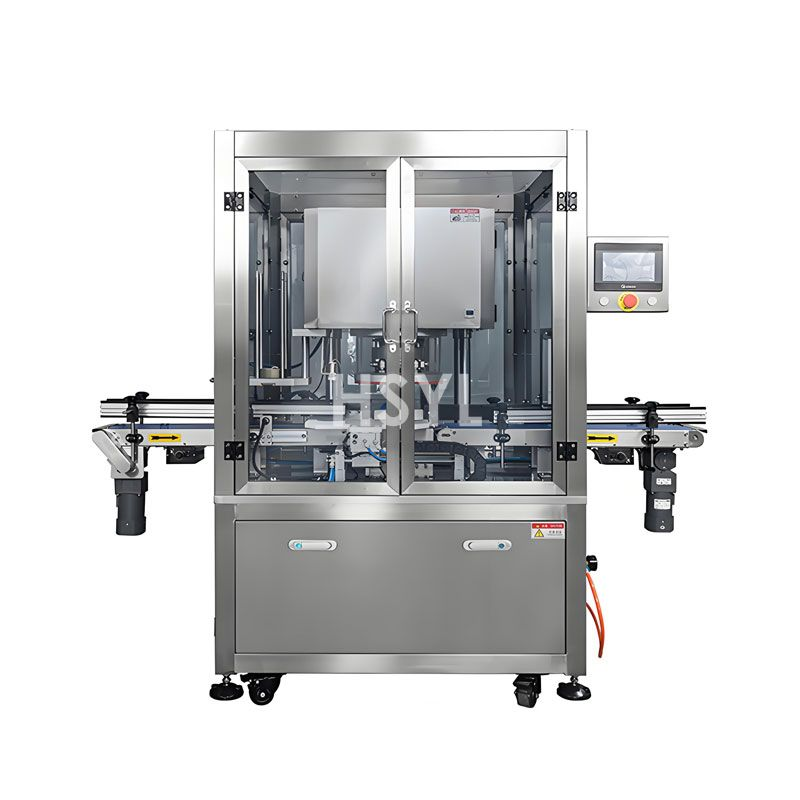
| Record field | Why it matters |
|---|---|
| Sample identity and time | Connects the observation to the trial sequence |
| Product condition | Explains material behaviour at filling |
| Container and tare basis | Establishes what the reported weight includes |
| Machine configuration | Identifies the tested arrangement and settings |
| Sampling method | Shows how observations represent the run |
| Events and rejects | Keeps stops, adjustments and excluded packs visible |
Sample the operating question
If the question concerns steady operation, identify the stable test window. If it concerns start-up or restart, collect those events deliberately. Do not remove inconvenient samples without an agreed and documented reason.
Record interruptions and adjustments beside the measurements. A pooled average can conceal a change during the run, so retain the sequence of observations for review.
Inspect the pack as well as its weight
Check product distribution, presentation and container condition using the relevant specification. Particulate products may require separate solids and liquid assessment. Product on the rim or an unacceptable arrangement is not made acceptable by a correct total weight.
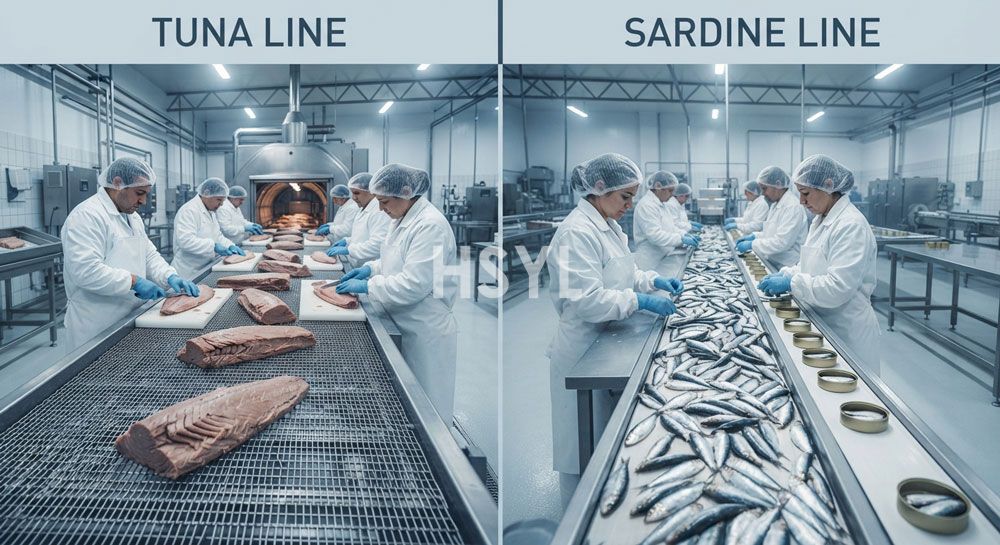
For fish applications, review the fish can filling equipment with representative prepared fish and medium. The chunky soup filling guide explains why a mixed solid-and-liquid product needs a broader assessment than weight alone.
Report a bounded conclusion
State the conditions tested, results under the agreed method and any untested range. Preserve raw observations so that the conclusion can be checked. If the product or configuration changes, identify which parts of the trial need review.
Use the filling media specification guide for liquid inputs and the headspace record guide for a separate container-condition measurement. A useful trial record explains both the result and the conditions under which it was obtained.
Frequently Asked Questions
Does a good average prove every pack is acceptable?
Can I exclude start-up packs?
Does this trial establish legal net-content compliance?
Should manual corrections during a trial be recorded?
Related Articles


Get professional consultation
Do you have any questions or need technical support regarding the content of this article? Fill out the form below, and our expert team will provide you with professional solutions.